A few years ago, I remember helping my elderly neighbor set up a new bank account after her branch closed. The process involved more paperwork than buying a car — identity verification, source-of-funds questions, and transaction-monitoring disclosures.
She found it exhausting. I found it excessive. I remember the banker saying the requirements had gotten stricter “because of what happened with the big banks.”
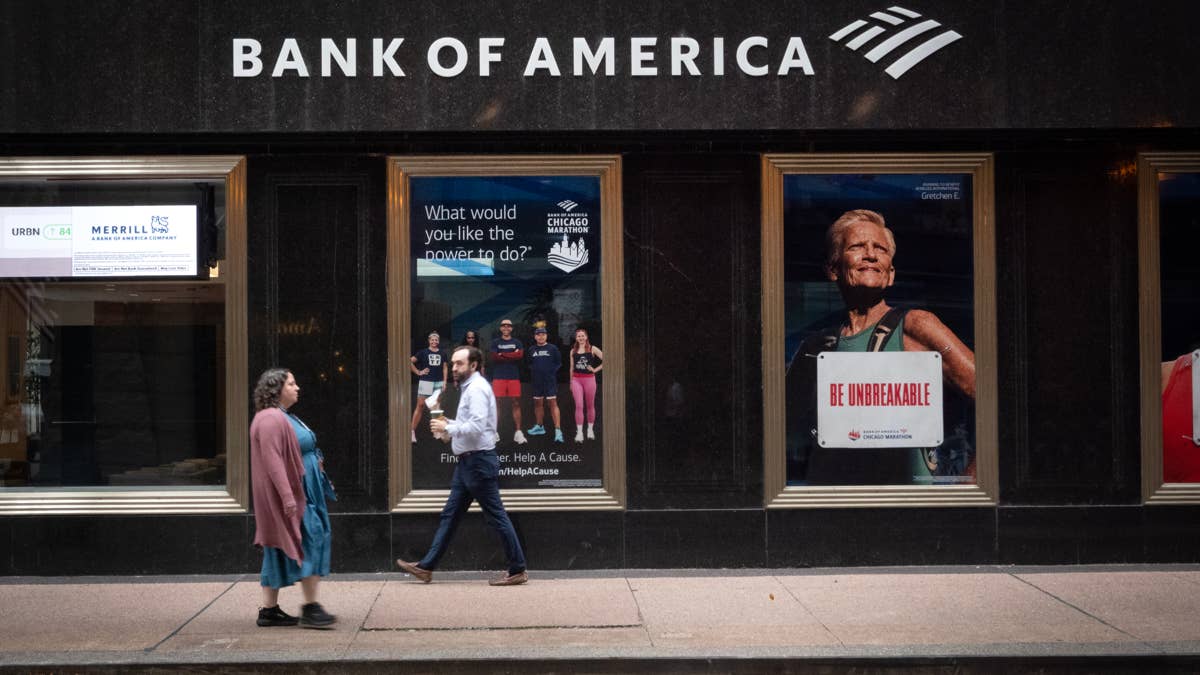
I thought about that incident when the Treasury Department announced more than $1.21 billion in penalties against Bank of America for allegedly doing the opposite.
According to the U.S. Treasury press release, the bank failed to report more than $5 billion in suspicious transactions over several years. Some of that activity was linked to Chinese money laundering networks and operations along the southwest border.
You will most certainly be scrutinized for opening a checking account. The U.S. second-largest bank, meanwhile, was not flagging billions in activity that regulators say included narcotics trafficking proceeds and potential trade-based money laundering.
BAC is down 4.49% year-to-date, according to Yahoo Finance, after falling 2% in after-hours trading on the penalty announcement Oct. 13, the day before CEO Brian Moynihan was scheduled to report Q3 earnings.
Also Read: Bank of America sees another interest-rate surprise
Here is what the Treasury actually found, and why regulators escalated
The $1.2 billion penalty is the third-largest in Treasury history, according to the Treasury announcement. The $750 million civil money penalty from the Office of the Comptroller of the Currency (OCC) is the largest the OCC has ever levied against any bank.
The core finding? Bank of America signed a cease-and-desist order with regulators in 2024 to fix its anti-money-laundering program. Regulators said the problems continued after that order.
Treasury said the bank “prioritized its revenues” while minimizing compliance resources, and relied so heavily on law enforcement referrals from other institutions that it effectively outsourced part of its own responsibility for detecting suspicious activity.
More Bank of America:
- BofA sets massive $10 billion Ciena backlog target
- A bond market revolt pushes a key rate to 19-year high
- Bank of America stock slides after CEO’s troubling message
“Despite its obligation to the American people as a national-chartered, global systemically important bank, the bank’s BSA/AML compliance program continues to reflect widespread breakdowns in internal controls, which threatens U.S. national and economic security,” Comptroller Jonathan Gould said in the OCC’s press release.
Treasury Secretary Scott Bessent added: “Today’s actions send a clear message that even the biggest financial institutions are not above the law.”
Bank of America admitted it willfully violated the Bank Secrecy Act by failing to maintain a compliant anti-money-laundering program and file suspicious activity reports, according to Treasury.
That penalty will now result in a $1.2 billion non-tax-deductible charge in the third quarter, reducing net income by approximately 17 cents per share.
Bank of America CEO response, and the business case underneath the legal case
Moynihan appeared on CNBC’s “Squawk on the Street” Oct. 14, the day after the penalty announcement and the day of the earnings report, and was direct about where the bank stands.
We put lots of resources against this. Thousands of extra teammates. We’ve lowered the thresholds of reporting that you can see reflected in some of the technical areas … The penalty went through last quarter.
“We’ve built up the resources and are deep into remediation activities, and we’ll resolve it like we’ve done with many issues in the past in this company,” Moynihan added.
He acknowledged the earlier friction with regulators, too. “There was a bit of a time when we went back and forth about what the right answer was,” he said, noting that the period is behind them.
On the question of timeline, Moynihan declined to commit to specifics: “I don’t want to speculate about the precise timeline, but we’ve been working hard on it for a good period of time.”
The financial context matters, too. Bank of America has now delivered 17 consecutive quarters of year-over-year growth.
Q3 fiscal 2026 net income was $6.9 billion. Revenue grew 3% to $30 billion, net interest income grew 8% year over year to $16.4 billion, and full-year revenue growth guidance was raised to 8% or more, up from a prior range of 5% to 7%, according to the Q3 earnings report.
I’ll admit the $1.2 billion charge is painful, especially given that the bank earned $6.9 billion in a single quarter.
The tension that does not resolve cleanly
I come back to my neighbor at the bank. The compliance apparatus that made her feel like a suspect when she opened her checking account was built partially in response to exactly the kind of failures the Treasury described at Bank of America.
I’d say the rules were put in place because large banks had a history of overlooking transactions that deserved scrutiny, while flagging too many that posed little concern.
The OCC is requiring Bank of America to conduct a third-party review of suspicious transactions that went undetected and to undergo independent reviews of its transaction monitoring and customer due diligence (CDD) processes, according to Treasury.
Moynihan’s responsible growth mantra has served the bank well for the last 16 years. But the consent order, escalating penalties, and the Treasury Secretary personally naming the bank in a press release suggest that in one specific and consequential area, responsibility did not keep pace with the growth.