The stocks that make headlines are rarely the ones that hold up when the market turns. When fear shows up, money tends to run toward businesses that sell soda, insurance and oil.
That’s been Berkshire Hathaway’s role for decades. For a while, though, it looked like the company had lost its pull without Warren Buffett in the corner office.
After Buffett told shareholders at the May 2025 annual meeting that he would step down as CEO, the shares fell more than 14% over the next three months as investors worried Berkshire would lose the premium that Buffett’s name had commanded, CNBC reported. Greg Abel took over as CEO on Jan. 1, 2026.
That premium is coming back.
Berkshire’s Class B shares (BRK.B) closed at $532.02 on Friday, Oct. 16, and Class A shares (BRK.A) closed at $798,000, both their highest closes since the May 2025 announcement, according to CNBC’s Warren Buffett Watch.
Each class now sits just 1.4% below its all-time closing high: $539.80 for the B shares and $ 809.35 for the A shares.
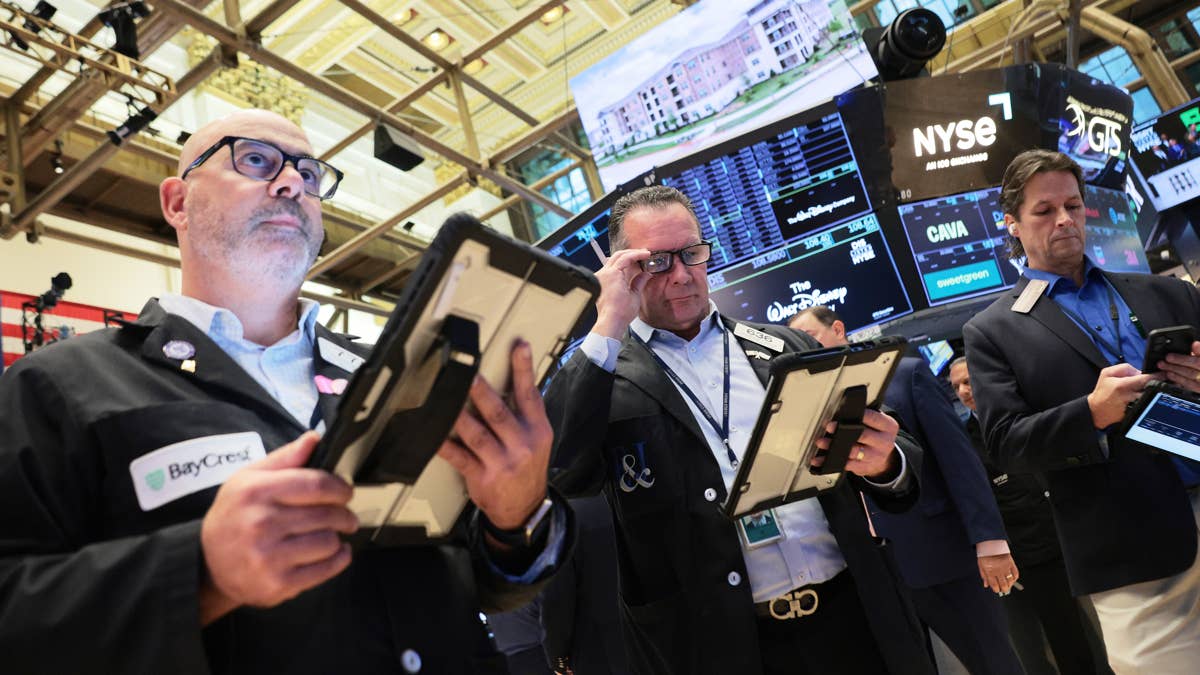
The rally came on a rough day for stocks
Friday was a rough day for most investors. The S&P 500 fell 1.1% to 7,659.44, and the Nasdaq Composite dropped 2.1% to 26,140.03.
More on Berkshire Hathaway:
- Abel reversed Buffett’s two biggest convictions in six months
- Berkshire’s record cash pile sparks growing pressure
- Berkshire faces its toughest test in 60 years
Berkshire rose more than 1% anyway. The gain came right after a ten-session winning streak, Berkshire’s first since January 2018, ended on Thursday, Oct. 15, CNBC reported. That streak started Oct. 1 and added about 5% to the stock, Benzinga reported.
The comeback shows up in the year-to-date numbers too. Berkshire’s B shares trailed the S&P 500 by 17.5 percentage points on June 1, and that gap had shrunk to 6.0 points as of the Oct. 16 close, according to CNBC.
Why investors are buying Berkshire right now
CNBC pointed to several forces behind the rally:
- Interest rates: Keefe, Bruyette & Woods analyst Meyer Shields said higher short-term rates help, because Berkshire earns more on its cash. He called the cash pile “a good symbol of continued patience under the new CEO.”
- Insurance: A quiet hurricane season has helped Berkshire’s insurance operations.
- Energy: Berkshire’s roughly $19 billion Chevron (CVX) stake closed at an all-time high after rising almost 36% since early July.
- Coca-Cola: Berkshire’s $37.6 billion Coca-Cola (KO) holding also closed at a record, up 34% this year.
- Rotation: Investors are moving out of high-flying AI and tech names and into older-economy businesses.
Here’s the math on the first point. Berkshire held $365.5 billion in cash and Treasury bills at the end of June, according to its second-quarter report. In my analysis, every quarter-point move in short-term yields is worth roughly $900 million a year in interest on a pile that size, before taxes.
Abel’s newest bet is already paying off
Abel is putting that cash to work. Berkshire agreed to buy 10 million newly issued shares of Bending Spoons (BSP), the Milan-based owner of apps like Evernote, at $33 apiece in a private placement, the company said on Oct. 14. The $330 million deal comes on top of the $600 million Berkshire invested at Bending Spoons’ July IPO and lifts its stake to 4%. Bending Spoons expects it to close in the fourth quarter, according to a regulatory filing.
That brings Berkshire’s investment to about $930 million for roughly 4% of the company. CNBC estimates that the stake holds about 30.7 million shares worth more than $1.4 billion at the $47.07 close on Oct. 15.
By my count, that’s a paper gain of more than $500 million in a few months. It’s small next to a $1.14 trillion company, but it shows Abel is willing to buy outside Buffett’s traditional comfort zone.
Not everyone is satisfied. Many Berkshire holders would like to see the company put more money into stocks, Barron’s Andrew Bary wrote.
How a stock like this fits your portfolio
If you own an S&P 500 index fund, you own a lot of the AI and tech trade, whether you meant to or not. Berkshire’s rally is a reminder of what a different kind of holding can do on days like Friday.
Berkshire isn’t cheap insurance against every sell-off. Its B shares trade at about 13 times trailing earnings, CNBC reported (link), and the stock lagged the market badly for more than a year after the Buffett announcement.
I’d look at it the way many long-term investors do: as a single stock that gives you insurance, railroads, utilities, energy and a giant cash buffer in one place. That mix tends to matter most when the rest of your portfolio is falling.
Earnings and an all-time high come next
Berkshire typically releases third-quarter results on the first Saturday of November. Investors will look for three things: how much cash Abel deployed, whether buybacks continued after $4.5 billion in the second quarter, and how insurance profits held up after a quiet storm season.
The other test is the all-time high. B shares need to rise about 1.5% from Friday’s close to top $539.80.
Berkshire didn’t need a headline to climb this time. It needed a bad day for everything else, and that’s exactly when a company like this earns its place in your portfolio.
Related: Warren Buffett endorses this Vanguard ETF for young investors