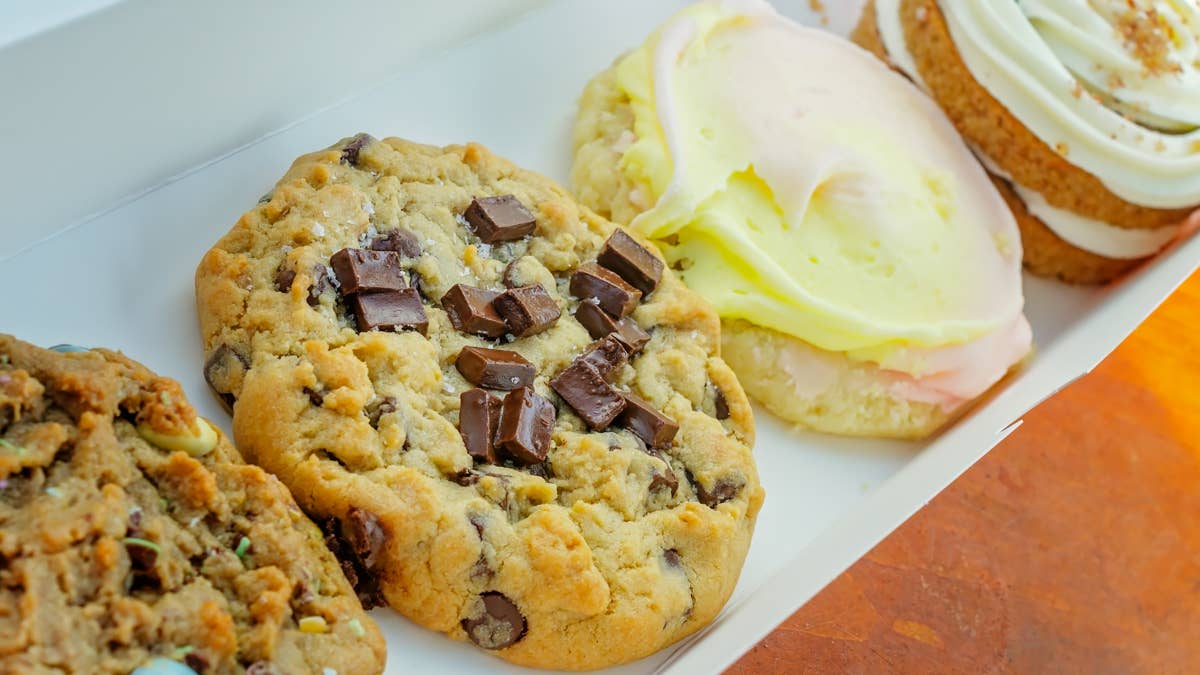
Crumbl once had America lining up for cookies. Now, the pink boxes are facing a much less sweet reality.
The Utah-born chain is closing stores, cutting staff, and confronting a sales slump that its CEO says starts at the top.
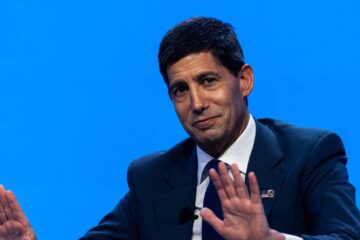
“The buck stops with me. It’s my fault where we are today,” CEO Jason McGowan told franchisees. An internal company document obtained by Restaurant Business showed that August sales were 70% lower than the same month two years earlier.
Foot traffic at Crumbl’s more than 1,000 locations fell 32% year over year, according to Placer.ai. At least 57 stores have closed in 2026, and the company cut much of its franchise support team.
The weekly cookie ritual that once kept customers coming back seems to be losing its pull.
Read More: Kohl’s adds a new way to shop, just in time for the holidays
Crumbl’s August sales dropped 70% from two years earlier
Crumbl expanded faster than demand could support. Average annual sales per store peaked near $1.84 million in 2022 before falling to roughly $1.14 million by 2025, according to Restaurant Business.
August 2026 delivered another blow, with multiple franchisees calling it the worst month in company history.
A Kentucky operator filed for Chapter 7 bankruptcy after closing its store, while dozens of other locations are listed for sale.
Outside pressures have added to the strain, including consumers cutting back on nonessential treats amid higher prices, fading excitement around weekly flavor drops, and the rising use of GLP-1 drugs. A PwC survey found that 61% of GLP-1 users are buying fewer sweet treats.
Still, McGowan has acknowledged that leadership decisions made the already challenging situation worse.
The dirty soda experiment backfired for Crumbl
Dirty soda was supposed to be Crumbl’s next growth engine. McGowan pitched the drinks to franchisees in 2025, projecting a 20% sales lift. Operators invested thousands of dollars, and in some cases tens of thousands, in new equipment.
Instead, Restaurant Business says August’s dedicated Soda Week became the weakest week in Crumbl history.
More Restaurants:
- 52-year-old international restaurant chain closing all locations
- 46-year-old casual dining chain closes underperforming locations
- Classic burger chain has closed down all its restaurants
Much of the backlash focused on the drinks’ extreme sugar content, particularly the 32-ounce “Crazy Cousins” charger, which combines Red Bull, Mountain Dew or Sprite, strawberry purée, pineapple, and coconut cream.
Social media claims put the drink at 186 grams of sugar and roughly 840 calories. Crumbl later told Today the actual figure was 130 grams, still a hefty amount.
Outside core Utah markets, the drinks failed to generate the traffic or higher spending Crumbl had expected.
Swig proves dirty soda can work
The dirty soda category itself isn’t the problem. The drinks, made with soda, flavored syrups, cream, and fruit, emerged in Utah more than a decade ago as an indulgent alternative to alcohol or coffee.
Swig, founded in St. George in 2010 by Nicole Tanner, is widely credited as the original dirty soda chain, The Wall Street Journal reported.
It has grown to more than 150 locations across more than 16 states and continues signing multi-unit franchise deals in markets ranging from the Chicago suburbs and Boston to New Mexico, Texas, and Florida.
The Larry H. Miller Company holds a majority stake in Swig, whose drive-thru model and small store footprints have attracted experienced operators.
Reality television, particularly “The Secret Lives of Mormon Wives,” boosted national awareness, but Swig was already expanding before the show amplified the trend.
McDonald’s and other chains cash in on the drink trend
While Crumbl struggled with its version of dirty soda, larger chains moved into the category. McDonald’s launched crafted sodas nationwide in early May 2026, including Sprite Berry Blast, Orange Dream, and a Dirty Dr Pepper topped with vanilla and cold foam.
Dunkin’, Taco Bell, and other chains have also tested or added their own versions, according to Fast Company. These brands treated dirty soda as an addition to existing menus rather than a major bet requiring expensive equipment and drinks with sugar levels that invited immediate criticism.
What’s next for Crumbl?
McGowan and co-founder Sawyer Hemsley announced in May 2026 that they would step back from day-to-day operations once replacements are in place, remaining involved at the board level, The Salt Lake Tribune noted. A new CEO, CFO, and head of marketing are expected.
Crumbl has turned toward value deals, including a $1.99 bundle pairing a 24-ounce zero-sugar dirty soda with a large Chocolate Chip Thin cookie, totaling about 170 calories. The company has also introduced a broader value menu with items starting at 99 cents at participating locations.
September brought some improvement during themed weeks, but sales remained about 50% below the level recorded two years earlier. Median monthly store profit stood at just $1,832, as reported by Restaurant Business.
Whether lower prices and a renewed focus on its signature cookies can stabilize roughly 1,000 remaining locations remains an open question.
Crumbl’s rise and stumble offer a reminder that viral fame can fill stores quickly, but the next big idea still has to give customers a reason to return.