Europe’s automotive industry is undergoing a difficult transformation, with some of the world’s biggest carmakers reducing production, eliminating thousands of jobs and reconsidering their manufacturing operations.
Consequently, the pressure is also spreading across the supply chain, affecting companies that produce components used in millions of vehicles. As demand changes and manufacturing costs rise, suppliers are being forced to reassess their operations and reduce their workforce.
German automotive and industrial supplier Schaeffler is the latest to announce another sweeping restructuring, including thousands of job cuts and multiple site closures. This news comes even as it completes an earlier workforce-reduction program.
Schaeffler manufactures bearings, powertrain systems, and other components used in automobiles and industrial equipment, employing approximately 108,000 people worldwide.
Schaeffler plans 3,460 job cuts and 5 site closures
Schaeffler recently confirmed plans to eliminate a net of 3,460 positions across Europe, including approximately 2,660 in Germany.
According to the company’s official statement, the restructuring will affect 16 European locations, with five sites slated for complete closure. Four of those facilities are in Germany.
The Dortmund plant, which employs approximately 430 people, and the Morbach facility, with around 160 employees, will close. Both produce components for traditional internal combustion engines. Operations will also be discontinued at the Berlin facility, which employs approximately 270 people.
More Layoffs:
- Disney cuts 300 jobs and major overhaul puts hundreds more at risk
- Microsoft cuts hundreds more jobs as restructuring deepens
- Oracle layoffs top 2,500 workers as AI spending surges
The Schwalbach site, which has around 385 employees, is slated to close as well, although many workers are expected to transfer to Schaeffler’s Frankfurt location. The company estimates approximately 190 positions will be eliminated as part of those changes.
Outside Germany, Schaeffler plans to close its Herstal facility in Belgium, which employs approximately 15 people. Other facilities in Germany, France, and Slovakia will also undergo production, research, and organizational changes without necessarily closing.
Approximately 50% of the planned reductions involve manufacturing employees, while another 30% affect research and development. The remaining 20% involve other business functions. Most of the restructuring is expected to take place during 2027 and 2028.
The company also plans to seek temporary, voluntary compensation reductions across management and other employee levels to reduce costs and potentially limit further job losses.
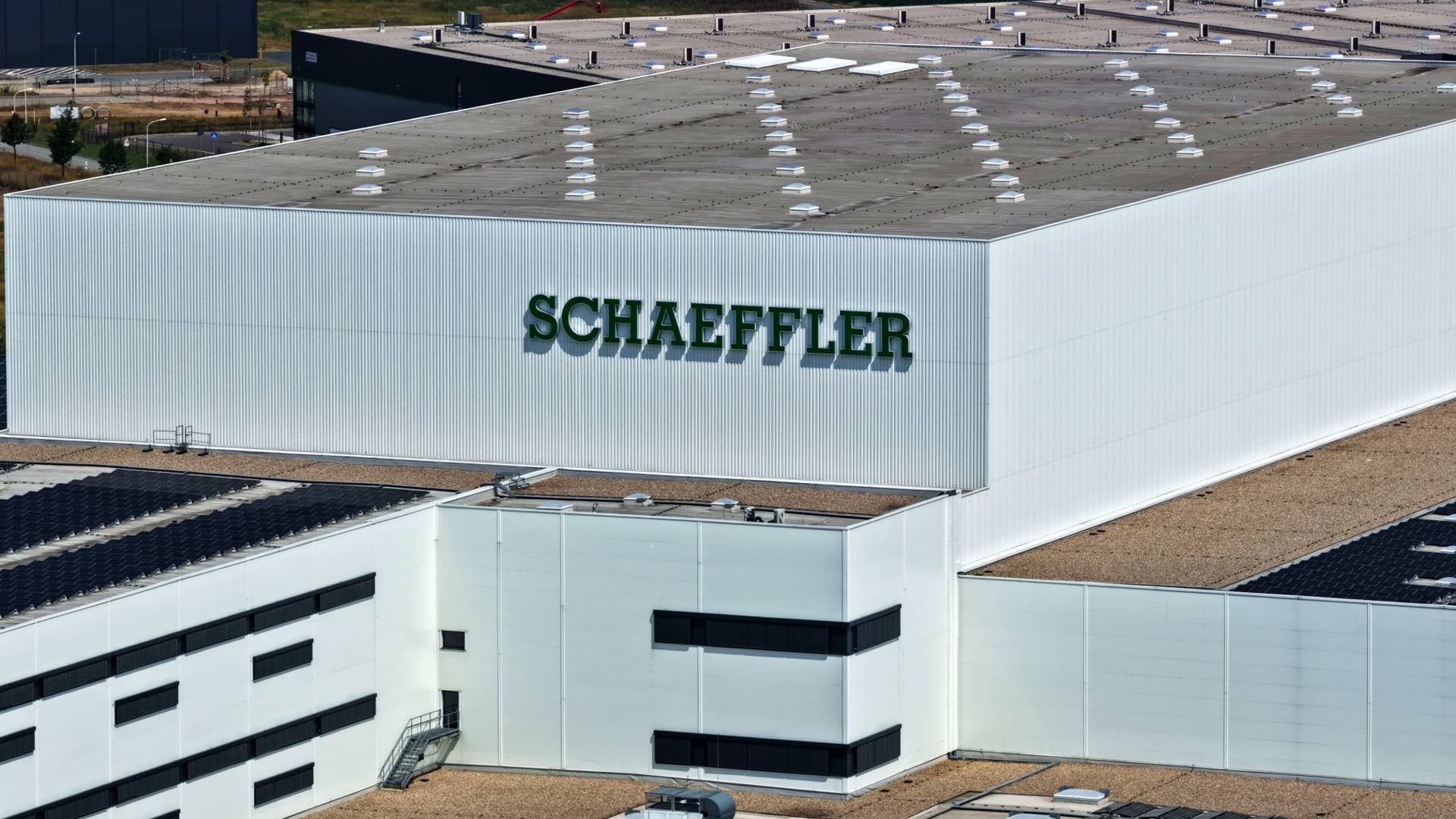
Schaeffler announces new cuts after previous layoffs
The latest announcement follows an earlier European restructuring program which was announced in November 2024.
That initiative targeted 4,700 gross position reductions, including approximately 2,800 in Germany, following the company’s merger with automotive supplier Vitesco Technologies. In an Oct. 12 update, Schaeffler said it had already eliminated 3,715 positions as of Sept. 30, representing approximately 79% of its earlier target.
The company had also secured arrangements for the remaining 985 positions and concluded 1,768 additional partial-retirement agreements. Despite completing the earlier program’s structural measures ahead of schedule, Schaeffler said persistent weakness in Europe’s automotive industry required additional action.
CEO Klaus Rosenfeld explained that the company needs to consolidate manufacturing sites, reduce excess development capacity, and simplify its organizational structure.
And this new restructuring is expected to cost approximately €480 million, with most of the expense recognized through provisions during 2026. Schaeffler expects the program to generate approximately €300 million in annual savings starting in 2030.
Porsche and Volkswagen also eliminate thousands of jobs
Schaeffler’s decision comes as Germany’s wider automotive industry faces enormous restructuring pressures.
In July, Porsche reached an agreement with employee representatives to eliminate another 5,000 positions by 2035, primarily through retirements, natural attrition and voluntary severance. The reductions followed earlier plans affecting approximately 3,900 positions.
As TheStreet previously reported, Porsche employees also agreed to slower compensation growth, smaller bonuses, and reduced remote-work flexibility as part of the restructuring agreement.
Porsche’s parent company, Volkswagen Group, is pursuing an even larger transformation.
In September, Volkswagen’s supervisory board approved its Future Plan 2030, which called for a group-wide workforce adjustment of approximately 50,000 positions.
Volkswagen also acknowledged that its European manufacturing operations have approximately 500,000 vehicles of excess annual production capacity relative to demand.
However, the difficulties are not limited to European manufacturers.
In July, TheStreet reported that automotive glass supplier Carlex Glass America planned to close its longtime factory in Vonore, Tennessee, affecting 325 employees.
Earlier this year, First Brands Group disclosed U.S. plant closures and layoffs amid its bankruptcy restructuring. Its financial problems differ from those of Schaeffler, but the closures demonstrate increasing instability in the automotive supply chain.
Changing vehicle demand puts suppliers under pressure
The shift away from traditional gasoline and diesel vehicles is particularly important for component manufacturers such as Schaeffler.
According to the European Automobile Manufacturers’ Association, new petrol-powered car registrations across the European Union declined by 19.1% during the first nine months of 2026. Diesel registrations fell 19.5% during the same period.
Meanwhile, battery-electric vehicles accounted for 22.7% of new registrations, compared with 16.1% a year earlier.
Overall EU vehicle registrations increased 5.7%, highlighting that the industry’s challenges are not simply the result of consumers buying fewer vehicles. Instead, changing demand for different types of vehicles is forcing suppliers to support existing combustion-engine technologies while investing in electric mobility.
Schaeffler’s latest financial results, released Nov. 3, illustrate those pressures.
The company reported approximately €17.5 billion in revenue during the first nine months of 2026, compared with €17.7 billion a year earlier.
Its adjusted operating profit margin improved to 4.5% from 4.2%, but weakness in its electric-mobility business continued.
Reduced project volumes with European automakers, particularly in China, resulted in approximately €240 million in impairments and provisions. The company is now seeking growth opportunities beyond traditional automotive manufacturing, including humanoid robotics and defense technology.
However, the new restructuring has drawn criticism from the German labor union IG Metall and Schaeffler’s group works council.
In a Nov. 3 joint statement, employee representatives argued that repeated workforce reductions do not provide a convincing future for the company’s German factories.
They are demanding clearer commitments concerning future products, manufacturing investments, and employment protections before negotiating additional concessions.
Schaeffler has said it hopes opportunities in new technologies will eventually offset some of the lost positions, but it has not specified how many jobs those businesses could create.
Related: Amazon cuts more jobs as CEO touts record margins, retail gains