When I bought my first house a few years ago, I quickly learned that listed prices didn’t mean much. In such a competitive housing market, homes routinely sold for way more than their asking prices.
I ended up paying tens of thousands of dollars over asking for my home.
My experience was hardly unusual during the housing market boom of the 2020s. But Redfin data found that — after three straight years of increases — home-sale prices have decreased for the third week in a row.
“The median home-sale price in America almost never declines,” Corey Burr, senior vice president at TTR Sotheby’s International Realty, told me. “Over the past 75 years, there have been 5-7 years when prices have declined year-over-year.”
Read more: Kevin O’Leary sends a strong warning to all first-time home-buying Americans
Home-sale prices fall 0.4% year over year
The median home-sale price dropped to $388,604 during the four-week period ending on Nov. 1, according to the Redfin Housing Market Tracker. That is a 0.4% year-over-year decrease.
Home-sale prices have now declined for three consecutive weeks, with the latest decrease representing the largest year-over-year drop so far. The period ending Oct. 25 showed a 0.1% decline, and the one ending Oct. 18 showed a 0.2% decline.
These price drops, combined with lower mortgage rates, have pushed the median monthly mortgage payment to a five-week low. It now sits at $2,777, compared to its peak of $2,811 in early October.
Of course, national figures don’t tell the whole story. Home-sale prices vary significantly by location. Some metro areas are actually experiencing sale price increases, while others are seeing much steeper declines than the national median.
The metro areas with the largest home-sale price decreases this week were Fort Lauderdale, Fla. (-5.9%), Austin, Texas (-5.8%), and Seattle (-5.1%).
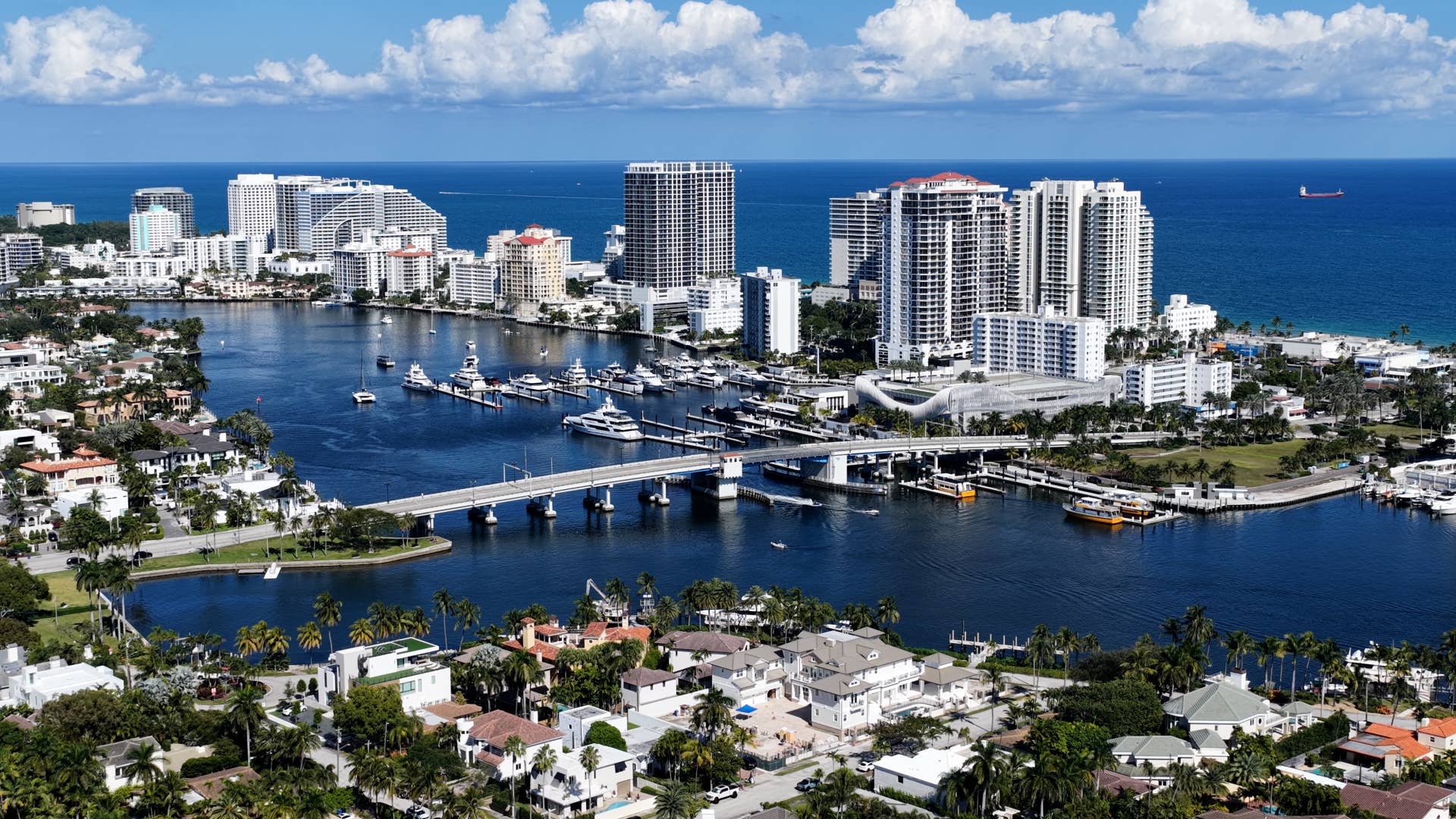
Why home-sale prices are falling faster in some cities
Lower home-sale prices might seem like good news for prospective buyers. However, they’re actually a symptom of a housing market struggling with affordability and weakening demand.
“This is mostly a demand problem,” Redfin Chief Economist Daryl Fairweather told me. “Pending sales are at their lowest level in at least five years because buyers are stretched by mortgage rates and prices that haven’t come down enough.”
Basically, people don’t want to buy houses — mainly because they can’t afford to. That lack of demand has driven prices down.
More Housing Market:
- Redfin: 7 cities where the holidays are a great time to buy
- Here’s what a $400,000 mortgage costs in today’s housing market
- Home Depot sends its strongest warning yet on the housing market
I asked Fairweather what specifically was driving the larger declines in Fort Lauderdale, Austin, and Seattle.
“All three of these markets have roughly twice as many sellers as buyers right now,” she said. “In Austin and Fort Lauderdale, builders have added a lot of supply in recent years. Buyers have plenty of homes to choose from and can easily move on to the next option.”
Seattle’s situation is different, though, she told me. Layoffs in the technology sector and general uncertainty are likely playing a major role in people waiting to buy homes until they feel more financially stable.
Many moving parts shape the U.S. housing market, and unfortunately, they can’t all be good at the same time.
For prospective buyers who can comfortably afford today’s mortgage rates and home prices, falling home-sale prices could create some opportunities. In metro areas where prices are declining, buyers may have more negotiating power and could pay less than they would have just a few months ago.
Related: Mark Cuban’s roommate advice comes with a reality check