A Walmart trip is rarely just a trip to grab groceries at the retail giant. For many consumers, it often involves more. Someone will fill the gas tank, get lunch, visit a pharmacy, or stop at another store nearby.
The nearby stores depend on Walmart foot traffic more than many realize. So, what happens to those other businesses when Walmart disappears?
A Walmart closure represents much more than an empty storefront and a missing shopping destination, according to new research by marketing researchers Vivek Astvansh of Binghamton University, Pushpinder Gill of Toronto Metropolitan University, and Preetinder Kaur of the University of Guelph.
In their study, “When the Anchor Closes: Walmart Store Closures and Nearby Retail Activity,” the researchers examined 39 Walmart closures across 20 states between 2019 and 2026 to test two competing economic forces: whether nearby stores benefit from “competitive relief” or suffer from “agglomeration loss” when a major traffic driver disappears.
Walmart closing takes traffic away
Instead of benefiting from the departure of a major competitor, nearby businesses experienced a significant decline in both customer traffic and sales.
“An anchor’s closure can shrink economic activity across the surrounding retail area, not merely shift the exiting store’s demand to its neighbors,” the authors wrote in the study.
And the damage did not stop after the first few weeks. It became worse over time, raising questions about what happens to the restaurants, shops and services that depend on a major retailer to bring customers through the door.
Walmart’s U.S. store footprint remains enormous, even as individual locations shut their doors. The retailer operated 4,605 U.S. stores at the end of fiscal 2025 and 4,611 a year later, according to its official store-count disclosures. The figures show that Walmart’s overall footprint can grow even while individual communities lose a location.
Chicago provides one example. In April 2023, Walmart announced the closure of four stores in the city, citing continued financial losses. The company said the locations collectively lost tens of millions of dollars annually, with their combined annual losses nearly doubling over the previous five years.
But what happens to the other businesses that have built their customer base around a major Walmart location?
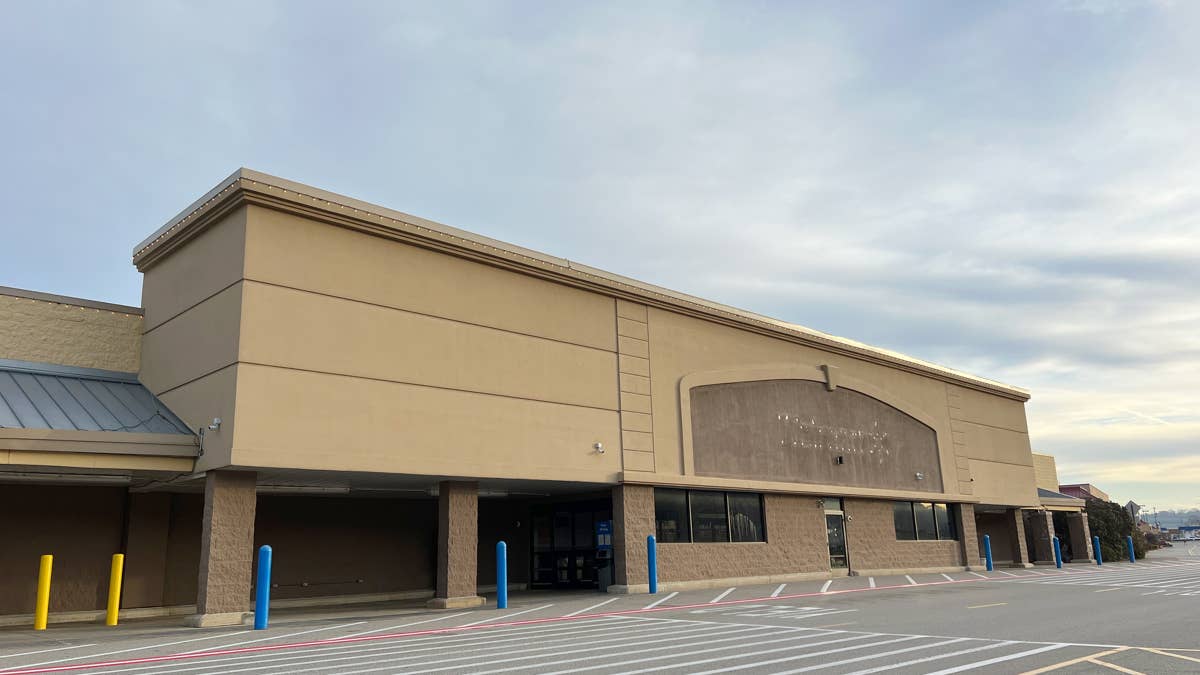
The damage gets worse with every passing month
The researchers found that nearby stores experienced a slump in both monthly shopper traffic and sales revenue by roughly a quarter in contrast to comparable stores near Walmart locations that stayed open.
Moreover, the study confirmed the downward trend is progressing over time.
“Specifically, following a Walmart’s closure, nearby stores experienced a roughly 5% drop in the following month and 6% in the month thereafter. The decline keeps getting worse, reaching about 17% in the ninth month and 20% a year after the anchor store closes,” the three researchers wrote.
What does this mean in practice?
To illustrate the effect, we could imagine a nearby restaurant that normally has 1,000 customers a month. A 20% decline would mean 200 fewer visits if the reported traffic decline applied to that restaurant.
Not every business is equally vulnerable.
Some businesses have a better chance of surviving
“A store can capture a larger share of local consumer demand after Walmart leaves and still end up worse off if the total pool of shoppers arriving in the area shrinks enough,” the study highlights.
The researchers found three characteristics that helped businesses perform relatively better.
- Businesses that compete directly with Walmart: A grocery store or another retailer selling similar products may capture some of the customers who previously shopped at Walmart. This is the competitive-relief effect.
- Recognizable brands: Branded businesses performed relatively better than unbranded ones. Why? Customers may visit a familiar restaurant or retailer because they specifically want that brand. They are less dependent on incidental traffic generated by Walmart.
- Businesses with online sales: Businesses generating a greater share of revenue through online orders experienced less severe sales declines. A business with customers who order online has another way to generate revenue when fewer people visit its physical location.
Overall, location matters, but brand recognition and digital reach can make businesses less vulnerable to the disappearance of a major shopping destination.
The question is: if you are not shopping at Walmart, why should you care?
Related: Target brings back a holiday benefit that protects shoppers
What do Walmart closures mean for consumers?
For shoppers, the consequences of a Walmart closure can extend well beyond losing one place to buy groceries. Many people plan their errands around shopping centers where they can visit several stores in one trip. They might pick up groceries, fill a prescription, grab lunch or stop at a discount retailer.
When Walmart leaves, that steady flow of shoppers can weaken, putting other nearby businesses at risk. If those businesses struggle or eventually close, customers could lose several convenient options at once.
The impact can be particularly difficult for people who depend on nearby stores for affordable groceries and everyday essentials.
A 2020 University of Missouri study examined how residents experienced Walmart closures in Missouri communities. Researchers documented concerns about reduced access to affordable products, healthy food and convenient shopping. These changes can be especially challenging for households without reliable transportation.
There is also a longer-term concern. When fewer businesses remain in a shopping area, residents may have fewer choices and need to travel farther for everyday purchases. What starts as the loss of one major retailer can gradually change how people shop, where they eat and how much effort it takes to complete ordinary errands.