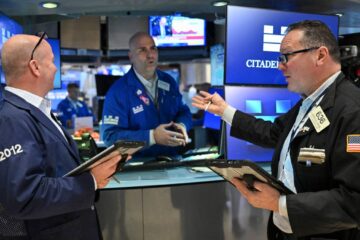
Finding a good trader and copying their moves has become a legitimate strategy for millions of retail investors. Social trading platforms built an entire industry around it.
Browse the leaderboards, study someone’s track record, follow their positions. The model is not perfect, but it has held together because the person at the center is visible and can be held to account.
What is happening underneath that model is harder to see. A wave of AI agents is arriving in retail investing, and they do not all work the same way.
Some surface information and filter noise. Others evaluate strategies in seconds. A smaller number are already set up to place orders on their own, without waiting for each investor to press a button.
Most retail investors would not be able to tell the difference from looking at a product page.
The question of what they will do to social trading remains open. Some of the possibilities are useful. Some carry real risks. And a few raise questions about accountability, for which the industry does not yet have clean answers.
What they share is a common consequence: the gap between reading about a trade and acting on one is about to get a lot smaller.
How AI agents could change the way investors find trading ideas
Right now, finding a trader worth following takes work. An investor has to scroll, filter, compare, and make a judgment call without being entirely sure whether a good record was built on skill or a few lucky months.
An AI agent could do that faster and more systematically, scanning thousands of contributors, checking the data behind their claims, and comparing how each one held up when conditions got difficult.
Also read: Wall Street is watching a troubling move in Treasury yields
The more significant shift is in what happens after discovery.
Copy trading has always had a one-size-fits-all problem. What worked for one investor, with their capital and their existing positions, may not work for someone in a completely different situation.
An agent could account for that by checking a proposed trade against an investor’s existing holdings, timeline, and risk limits before anything is replicated. Two people following the same trader might end up with different instructions.
“Copying a trade is easy,” Kevin Como, CEO of UXUY, told TheStreet. “Understanding whether it belongs in your portfolio is where agents could add meaningful value.”
The usefulness of that step, he added, depends on the quality of the data the agent is working with and whether the investor can actually see how decisions are being made.
What could make investors trust an AI agent over a human trader?
Trust in a human trader is built over time and in the open. Investors can see the full record: the wins, the losses, the calls that went wrong. They can ask questions. They can walk away. That visibility is a big part of why the social trading model works at all.
The record still matters, but past performance tells only part of the story. Investors using an AI agent would also want to know where its recommendations are actually coming from, whether there are commercial incentives behind what it surfaces, and what happens to their account when the model powering it gets updated.
Most retail platforms are not built to provide that kind of visibility, and most investors do not know to ask for it.
Nate Herk, CEO of AI Automation Society, said in an interview with TheStreet that experience will be the deciding factor. “I’d trust the one that’s been doing it the longest with the best track record, the same way I’d trust the person who’s been doing it the longest,” Herk said.
Many skilled traders are already building agents to sharpen their own strategies, he noted, because their clients still want a human on the other side of a decision who can be held responsible.
The risks of AI agents in investment decisions
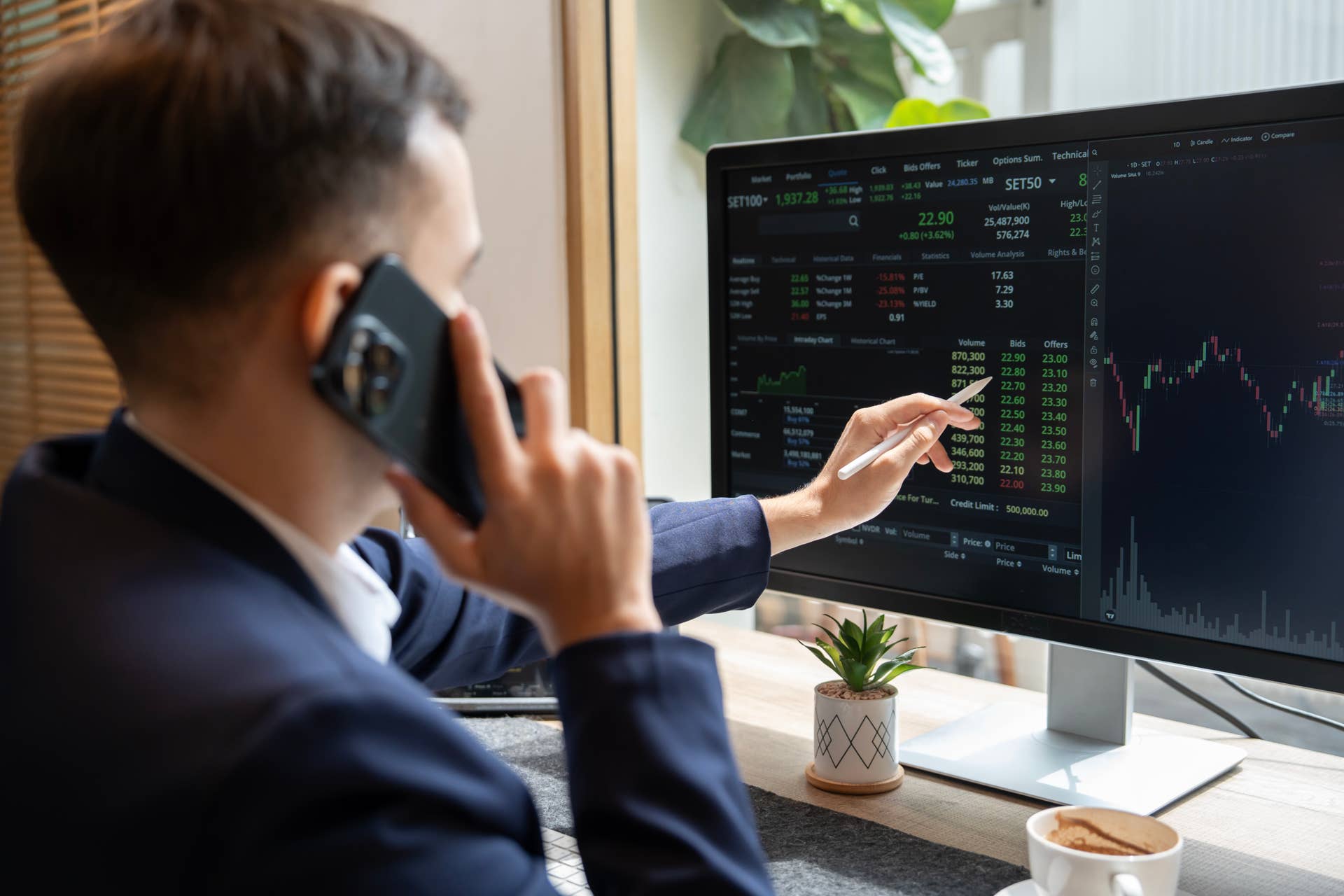
Much of the appeal of AI agents is speed. They can go from scanning a market discussion to flagging a trade faster than any investor could follow manually.
That is also where things can go wrong. The less time between information and action, the less an investor understands about what they agreed to and what it could cost them.
At scale, a different problem takes shape. Agents built on the same signals will tend to pile into the same positions. That can move prices in ways that have nothing to do with the fundamentals of a stock.
“If thousands of people copy the same agent, it moves the price by itself,” Herk said. “Bad actors can front-run it or feed it fake signals.”
More Wall Street:
- Arista Networks stock gets fresh backing from Jim Cramer and Wall Street
- Oracle stock sinks as Wall Street confronts a $20 billion AI problem
- Wall Street just got a candid look at who is winning the AI race
The ownership question gets murky fast. With a human advisor, there is usually someone to call after a bad call. With an agent, it is less clear.
Was it the company that trained the model? The platform that deployed it without enough guardrails? The investor who clicked accept on a terms agreement without reading it?
Regulators have previously flagged this kind of fragmented responsibility with automated tools. AI agents raise the same issue, only faster and in a market where most retail investors are not expecting it.
What retail investors should ask before using an AI trading agent
There is a real difference between an agent that surfaces investment ideas and one that acts on them. The first gives an investor something to think about. The second moves money.
Many retail investors, used to clicking copy on a social trading platform, may not think to ask which one they are dealing with before they give it access to their account.
What an agent can do, who built it, who is on the hook when it makes a bad call, and whether its recommendations are tied to any undisclosed commercial incentive are questions investors should be able to answer. Most platforms do not make this easy.
“As agents gain authority over investors’ money,” Como said, “the controls around that authority need to become stronger and easier to inspect.”
That is a higher bar than most platforms are currently clearing. Investors handed over access without much scrutiny during the early days of copy trading. The agents being built now carry considerably more authority than the copy buttons that came before them, and the terms governing that authority tend to run longer than anyone reads.
The question of what adequate oversight looks like has not been answered. That gap probably will not stay open much longer, with too many platforms moving too fast.
Social trading works because investors trust the people they follow. That trust does not transfer automatically to a piece of software. Building it will take more than a good interface.
Related: Scott Bessent sends clear signal to bond market investors