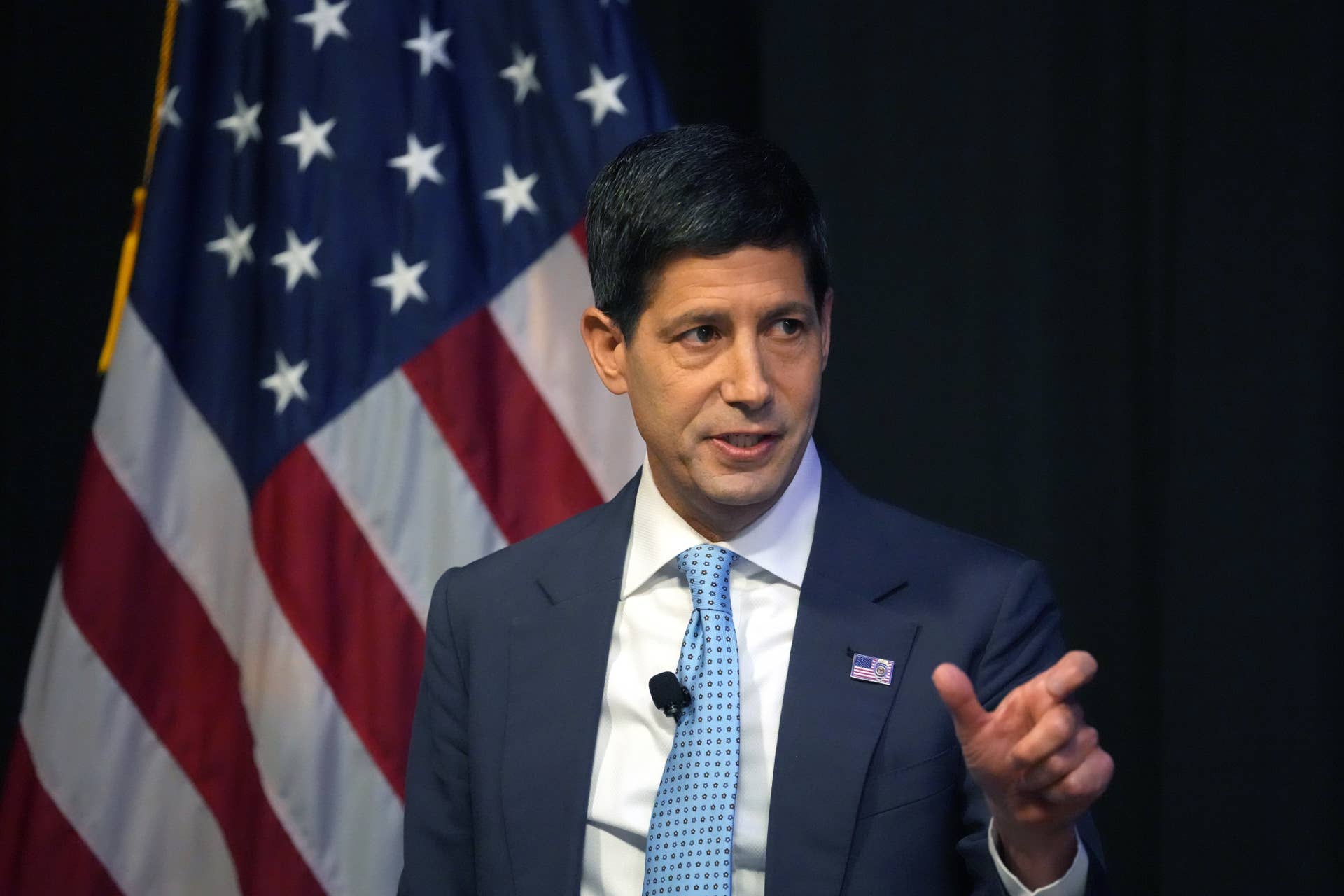
Treasury Secretary Scott Bessent stepped into the Federal Reserve’s December debate on Sunday with a warning that the central bank risks over-tightening. Speaking on CBS News‘ “Face the Nation,” he said financial conditions had already tightened sharply and that piling on another big rate hike could make things worse.
The remarks come as stocks slide and the Fed’s next decision draws closer, and the timing matters. The Fed meets on Dec. 8 and 9, and some officials are no longer debating whether to raise rates but how much. Fed Governor Christopher Waller has said a half-point hike “should be considered at the December meeting.” Bessent’s warning lands right in the middle of that fight.
Also read: Scott Bessent sends a strong verdict to Nvidia’s stock investors
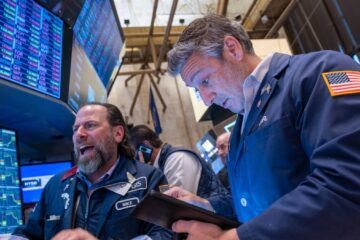
His comments follow a rough stretch for markets. The Nasdaq Composite set a record on Oct. 6 and has since slid deep enough to turn negative for the year. Nvidia alone has lost about $1.7 trillion in market value since its October peak.
Scott Bessent puts the Fed on notice on CBS
Margaret Brennan asked Bessent how he understood the past week in markets. He said it was “a combination of things,” pointing to “very hawkish remarks from the Federal Reserve” and “a substantial tightening in financial conditions over the past few months,” according to CBS News.
Brennan noted that markets had seen “a real sell-off over the past week.” He did not name any Fed official in the interview or say what decision he wants in December.
Bessent also used the interview to calm nerves about the financial system. Asked whether Americans should worry about their banks, he said, “They shouldn’t.” Calling them “by far the most resilient companies in the U.S. economy.” His concern, in other words, is the Fed’s next step rather than the plumbing.
His tone has shifted in recent weeks. On Oct. 28, Bessent said further rate hikes would not necessarily be a policy mistake and that the December call belonged to the Fed, as reported by CNBC. He also praised Fed Chair Kevin Warsh at the time, saying Warsh was “off to a great start.” He added that he had “great confidence” in the new chair.
Polls, AI and a market in retreat
Scott Bessent tied part of the sell-off to politics. “The market sell-off actually began as the Democrats moved ahead in the polls and then accelerated after Election Day,” he said. The worst damage came quickly. Two days after the election, the Nasdaq fell 5.52% and the S&P 500 dropped 4.36% as investors weighed the risk of tighter AI regulation.
President Donald Trump blamed the Democratic sweep for the slide in a post on Truth Social. “The obvious catalyst for the sharp selloff is that markets are pricing in the midterm results,” eToro analyst Jakub Rochlitz said.
Bessent also pointed to AI policy. “The Democratic position on the SI buildout has spooked a lot of investors in terms of slowing it down,” he said. Wedbush analyst Dan Ives called the week a “perfect storm” for tech stocks, citing fears of heavier oversight of AI and data centers under a Democratic Congress.
The AI boom cuts both ways for the Fed, though. Richmond Fed President Thomas Barkin has said AI infrastructure spending is adding to near-term inflation through strong demand. “The path of AI feels particularly consequential,” he said in prepared remarks on Nov. 9.
Bessent’s CNBC case against a bigger hike
Sunday’s warning built on two earlier CNBC interviews. On Nov. 13, Bessent said “the Fed should understand that this is an energy supply shock,” tied to the conflict with Iran, according to CNBC. He argued that hiking too much into a shock that is already easing would be a mistake, calling the latest inflation readings “very noisy numbers.” “The Fed’s supposed to look into the future, not look in the rearview mirror,” he added.
The hawks see it differently. Waller made his case for a bigger move in London, saying a 25-basis-point hike could put the Fed’s credibility at risk. October consumer prices rose 0.4%, above forecasts, lending more weight to his argument.
Bessent went back on CNBC on Nov. 20 and urged the Fed not to embrace a big rate hike. He noted that one governor now backing a 50-basis-point hike had wanted a cut of similar size within the past year. “So I would encourage the Fed to look forward, not backwards,” he said.
More Federal Reserve:
- Scott Bessent just reframed the case for a December rate hike
- Fed Chair Kevin Warsh reveals October surprise inside interest-rate pause
- How a Fed interest rate pause would impact Main Street investors
Wall Street isn’t fully on his side. Bank of America still expects a quarter-point hike in December, but its economists say the risk of a half-point move “has increased substantially.” The bank went further, writing that the Fed’s October hold “is looking like a policy mistake.” JPMorgan expects the Fed to raise rates in December and has penciled in two further hikes in early 2027.
Where the Fed stands before December
The Fed raised rates by a quarter point in September to a target range of 3.75% to 4%, then paused in October on a 10-2 vote. Cleveland Fed President Beth Hammack and Board of Governors member Lisa Cook dissented in favor of a hike. Hammack has said the Fed needs at least two more quarter-point increases.
The dissents are part of a broader shift inside the committee. As JPMorgan’s Michele has noted, the internal migration is toward tightening rather than away from it, making the December meeting harder to call than the market is pricing in. The CME FedWatch tool puts the probability of at least a quarter-point hike above 85%.
Bessent is not telling the Fed what to do, at least not in those words. But the message from Sunday is clear enough. He sees the recent sell-off as a warning and wants policymakers to weigh the full picture before making a decision.
Related: Mortgage rates are moving, but the Fed may have other plans