If you’ve booked a flight lately, you probably saw higher fares and fewer “too good to be true” deals than you did a few years ago. You might assume that if an airline is warning about a rough quarter, that must mean travel is slowing.
Alaska Airlines is telling a different story.
In its latest update, the company said its first quarter was hit by “sharply higher fuel prices” and “localized demand disruptions” from historic rainstorms in Hawai’i and civil unrest in Puerto Vallarta, but it also stressed that “demand remained resilient” and that underlying trends stayed healthy.
A short note from Seeking Alpha summed it up this way: Alaska Airlines’ Q1 earnings reflected strong demand but higher fuel and weather challenges, with the carrier highlighting solid underlying trends, even as it reevaluates guidance.
So this is not a “no one wants to travel” problem. It’s more like “Everyone still wants to go, but the cost of getting you there is suddenly a lot higher.”
The fuel cost pressure Alaska Airlines actually faces behind the scenes
Alaska did not sugarcoat the size of the hit in its detailed Q1 release.
The airline said fuel remains the “largest source of near term uncertainty,” and it now expects April jet fuel to run about $4.75 per gallon, with the second quarter averaging around $4.50, based on current futures prices.
That adds up fast. The company estimated that this fuel curve “adds approximately $600 million of expense to the second quarter, equivalent to an earnings per share headwind of $3.60,” assuming about 297 million gallons of fuel consumed.
Related: Delta Air Lines made $8.2 billion from your credit card last year
At the same time, rough weather in Hawai’i and unrest in Puerto Vallarta hit some of Alaska’s most important leisure markets. The airline said those two regions represent about 30% of its capacity, and disruptions around peak spring break travel weighed on revenue and operations.
It is not just internal spin. Alaska Airlines pulled its full‑year 2026 profit forecast after war‑driven fuel price spikes nearly doubled jet fuel costs since the start of the Iran conflict, forcing the airline to absorb much higher fuel bills for tickets sold before prices jumped, Reuters reported.
So when executives say this quarter is tough, they mean it.
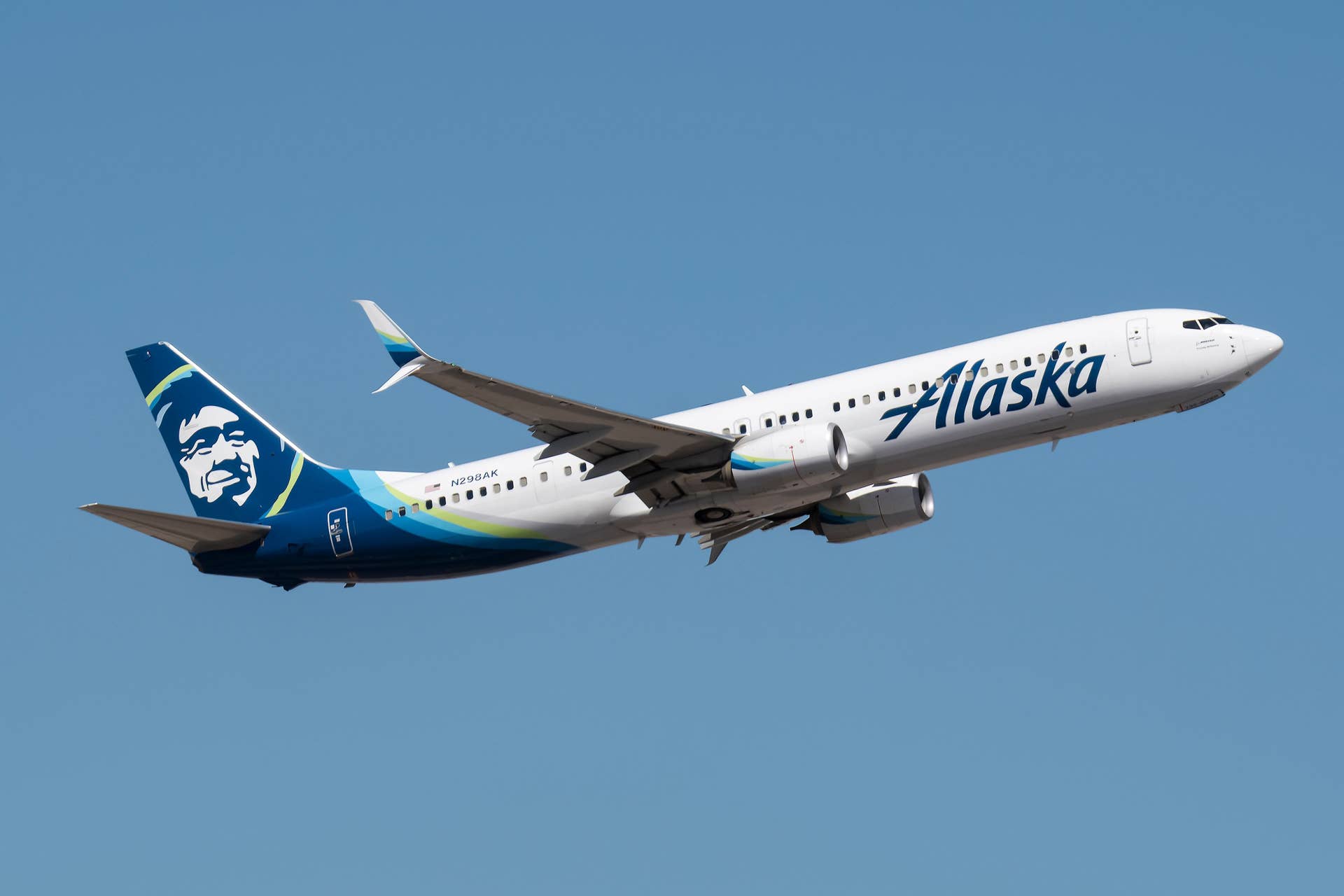
The surprise: Travel demand remains strong
Here is the part that jumped out at me when I read through the company’s update. Even with all that, Alaska keeps coming back to the same point: People are still flying, and in many cases, they are paying up.
The airline said first-quarter revenue was about $3.3 billion, with unit revenue up 3.5% year over year, despite the drag from Hawai’i and Puerto Vallarta. It also noted that premium demand continued to outperform as the carrier retrofitted cabins and rolled out Starlink high-speed Wi‑Fi across the fleet.
More Airlines:
- American Air launching 15 new summer routes between U.S. cities
- Low-cost airline will launch new flight to South Korea from US
- American Airlines joins the Spirit Airlines bankruptcy case
Corporate travelers are back in a bigger way, too. Managed corporate travel increased 19% year over year, supported by an expanding global network and new long-haul routes that are running at very high load factors, Alaska reported.
The company said Seattle-Tokyo reached profitability in less than a year and that both Seattle-Tokyo and Seattle-Seoul have load factors above 90%, which is airline‑speak for “those planes are packed.”
In a separate investor appearance, CEO Ben Minicucci described what that feels like inside the business. He said when fuel prices started spiking, “we did see a spike in demand” as people rushed to book ahead of potential fare increases, especially for spring break.
At the JPMorgan Industrials conference, he added that bookings have since “leveled off,” but remain solid, as transcribed by Investing.com.
From where I sit, the message is clear. Demand is not the problem; the cost of serving that demand is.
What fuel price pressure means for your ticket prices
If you have ever wondered why your ticket costs more, even when an airline is complaining about losses, Alaska’s update is a good real‑world example.
Alaska told investors that jet fuel, which usually makes up about a quarter of its operating costs, has nearly doubled in price since the start of the Iran war, a theme echoed in coverage by CNBC. Because many tickets were sold before that spike, the airline is now flying full or nearly full planes on fares that assumed much cheaper fuel.
That is the squeeze.
- You, as a traveler, still want to go on vacation, visit family, or make that business trip.
- The airline is paying a lot more to move you than it planned.
- It cannot instantly reprice everything it has already sold.
Over time, airlines respond the only way they can, by nudging fares higher, trimming weaker routes, and prioritizing planes and seats that earn more revenue.
You can see those adjustments starting. Alaska has already confirmed route changes and capacity shifts for 2026, saying that with limited aircraft deliveries, it has to make “challenging tradeoffs” on where to fly, according to comments shared with TheStreet about a broader schedule shake-up.
For you, that likely means a world with fewer cheap seats and more focus on premium cabins and high demand routes, especially if fuel stays expensive.
The bigger travel-cost story for investors and travelers
If you are a traveler, all of this might sound like bad news. But there is another side to it if you also think like an investor, even in a small way.
On one level, Alaska is doing something rational:
- It is acknowledging a rough quarter driven by fuel and weather.
- It is pulling or revisiting its full year profit forecast because the fuel outlook changed dramatically.
- It is reaffirming that demand is fundamentally healthy, especially in premium cabins and corporate travel.
On another level, the company is quietly sending you a message: if you are hoping that airlines will get desperate and slash fares, that is not the world they are planning for right now.
A recent Seeking Alpha analysis titled “Alaska Air Group: Double Downgrade On Oil Price And Macro Risk” argued that higher oil prices and macro uncertainty justify downgrading the stock from strong buy to hold, even as demand holds up, because margins and leverage are now under more pressure.
That combination matters for your money decisions in two ways.
- As a traveler, you should probably budget as if airfares will stay elevated for a while and be selective about when you splurge.
- As an investor, you need to decide whether a company like Alaska Airlines, which is seeing solid demand but squeezed margins, fits the kind of risk you want to take in an environment of volatile fuel and choppy headlines.
Turning Alaska Airline’s warning into something useful for you
Here is how I would translate this Alaska story into practical moves.
If you are planning travel:
- Try to book earlier for peak periods such as summer and holidays, since airlines are seeing strong forward bookings and will price accordingly.
- Be flexible on days and airports if you can, because carriers are already trimming weaker routes and leaning into the ones that fill up easily.
- Assume that “flash sale” airfare bargains will be rarer, while fuel stays high and planes are full.
If you are thinking about airline stocks:
- Recognize that full planes do not automatically mean fat profits when fuel is volatile. Alaska just showed that clearly.
- Look closely at balance sheets and fuel hedging. Airlines with healthier balance sheets and better fuel management might ride this period more smoothly, a point analysts have raised across the sector.
- Decide whether you are comfortable owning a business where external shocks including wars and weather can blow up a quarter overnight, even when the demand side looks fine.
When I read Alaska’s update, what I see is not just another airline warning. I see a snapshot of a travel world where your desire to fly is strong, but the economics of getting you there are under real strain.
If you adjust your expectations and your budget around that reality, the next “tough quarter” headline will feel less like a surprise and more like something for which you already quietly prepared.
Related: Airlines’ sudden global moves may hit your next trip