Russia is responsible for 6% of global aluminum supply and 7% of mined nickel. So an interruption of that supply would be big.
Aluminum and nickel prices surged on Tuesday after Russian troops entered eastern Ukraine, sparking speculation that a war and western sanctions could cut off Russian exports.
March aluminum closed at $3,295.75 a metric ton on the London Metal Exchange. Earlier, prices almost reached their 2008 peak.
March nickel closed at $24,721 a tonne on the LME. Earlier, prices hit 10-year highs.
Russia is responsible for 6% of global aluminum supply and 7% of mined nickel, Reuters reports. So a war and sanctions could wreak havoc on global supplies of the metals.
Even with normal Russian sales, aluminum and nickel are in short supply, ING analyst Wenyu Yao told Reuters. “Before this Russia-Ukraine crisis escalated, they were already seeing very strong fundamentals,” she said.
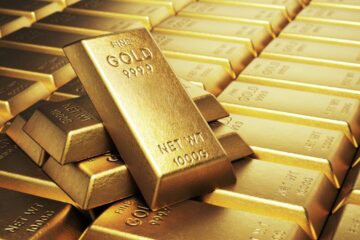
Gold also has benefited from Russia’s incursion into Ukraine. The April Comex gold contract recently traded at $1,905.10 an ounce, up 0.28%. Earlier Tuesday, it reached $1,918.30, its highest level since November 2020.
Investors often turn to gold as a safe-haven investment in times of global turmoil. “Investors are looking for a geopolitical hedge,” Matt Miskin, co-chief investment strategist at John Hancock Investment Management, told The Wall Street Journal. “The stars are aligning in essence for a gold breakout.”
Meanwhile, Russian intervention in Ukraine has hurt U.S. stocks. JPMorgan strategists view the matter as mostly a short-term threat:
“While the path of the Russia-Ukraine crisis remains unclear with potentially elevated market volatility in the short term, tightening monetary policy … remains the key risk for equities, as central banks attempt to aggressively reanchor inflation expectations lower.”