Amazon (AMZN) has spent the bulk of 2026 giving investors tons to debate, from its growing cloud business to the enormous bill for its AI ambitions. Now, it’s putting another spending decision in the spotlight, one that goes directly into workers’ household budgets.
Amazon has announced more than $1.5 billion in higher pay for U.S. operations employees, alongside benefits aimed at everyday expenses.
For workers, the appeal is the obvious, immediate financial breathing room.
For Amazon, the calculation goes further. Keeping experienced employees helps the business built around getting orders to doorsteps a lot quickly. The details point to how Amazon is trying to make those interests meet, even as its broader efficiency push leaves questions about job security.
Amazon’s $20 starting wage puts more money in workers’ pockets
For perspective, Amazon’s pay bump adds $2,080 to an eligible worker’s annual earnings before taxes, assuming 40 paid hours weekly for 52 weeks.
According to Amazon’s Sept. 16 announcement, eligible U.S. core operations employees will be eligible for another $1 an hour, lifting minimum starting pay for full-time roles to $20. Moreover, the increase takes effect Sept. 27, the Associated Press reported.
For someone earning $19, that points to a 5.3% raise, or around $173 extra monthly before taxes. Actual gains depend on paid hours and deductions, but the raise creates additional room for groceries, utilities, or debt repayments.
Amazon says that average hourly pay will approach $24, while compensation including benefits exceeds $32.
More Amazon:
- JPMorgan resets Amazon stock target after AI payoff
- Amazon CEO Jassy may deliver a July 30 AWS earnings shock
- Amazon stock slides as Prime Day data reveals shopper shift ahead of earnings
Additionally, the company is targeting everyday expenses.
Starting Oct. 1, all U.S. employees will receive uncapped discounts of 10% on eligible online groceries and essentials and 20% inside Whole Foods stores, according to Amazon.
The Day 1 financial benefit adds access to credit union accounts without overdraft or monthly maintenance fees. The rollout begins later this year, with broader availability in 2027.
Collectively, these major changes address both earnings and expenses.
However, grocery savings depend on shopping habits and competing prices, while banking savings depend on fees workers currently pay. The wage increase delivers the most flexible financial benefit.
Amazon’s $20 wage widens the gap with America’s pay floor
Amazon’s new $20 starting wage is around 2.76 times the federal minimum, a substantial increase moving the pay floor beyond the national legal baseline.
The federal minimum remains $7.25 an hour, unchanged since July 2009, according to the U.S. Department of Labor. Many states require higher wages, so that federal figure does not represent the minimum everywhere.
At 40 paid hours weekly for 52 weeks, $20 translates into $41,600 before taxes, compared with $15,080 at the federal minimum.
Amazon’s latest increase extends a compensation strategy developed over several successive years.
In 2018, the company introduced a $15 minimum covering U.S. employees, which includes seasonal and temporary workers, supporting a higher federal floor, according to its announcement.
Reuters reported that Amazon committed more than $2.2 billion in 2024, including hourly raises of at least $1.50 and free Prime membership. In 2025, Amazon announced another commitment exceeding $1 billion, lifting average pay above $23 and lowering entry-level healthcare costs.
Amazon’s move might pressure nearby employers to raise pay or improve benefits for the same workers. That may give local job seekers more leverage, though the effect will vary by hiring demand and commuting options.
Amazon’s bigger paychecks come with a job-security question
Amazon can pay employees more while pursuing lower operating costs. Better wages can help retain experienced workers, reducing recruitment and training expenses while supporting reliable deliveries.
However, we don’t have a dollar figure for the potential savings for this announcement.
For perspective, Amazon spends around 93 cents of every revenue dollar on operating costs, but of late that ratio has dropped below 89 cents as margins improved.
For investors, the question is about productivity and improvements in retention to offset higher payroll costs. If employees handle more packages per paid hour, higher wages can coexist with lower labor costs per shipment.
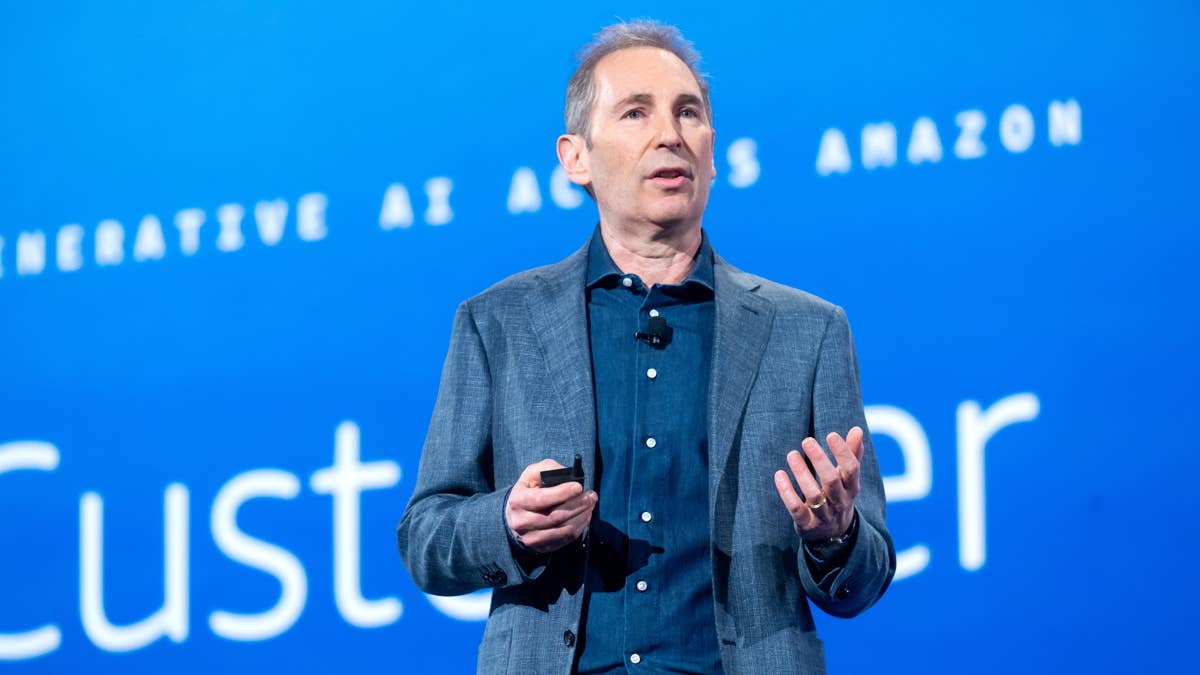
CEO Andy Jassy outlined the broader workforce shift in an employee memo on June 17, 2025:
“We will need fewer people doing some of the jobs that are being done today and more people doing other types of jobs.”
Jassy said AI efficiencies will likely reduce Amazon’s corporate workforce over the following years. Moreover, he talked about AI improving inventory placement, demand forecasting, and robot efficiency.
The raise follows a major corporate shakeup. Amazon announced 16,000 job cuts in January 2026, following 14,000 announced in October 2025, bringing the combined total to around 30,000, according to The Guardian.
The development gives workers immediate earning power without a corresponding promise of lasting employment. Long-term financial security still depends on available hours and how jobs evolve as Amazon pursues greater efficiency across its business over time.
Related: Moody’s gives surprising answer on AI and U.S. debt