As an Amazon customer, I rarely think about what Prime costs. Since I order from the retailer multiple times a week, and those items generally arrive within a day or two, whatever the company charges me feels worth it.
When Prime launched 21 years ago, it cost $79, and I was wary of paying that much, but the promise of two-day shipping — something that wasn’t at all common back in 2005 — made me begrudgingly fork over the cash.
Now, Prime costs $14.99 a month or $139 a year, and that was a number I had to look up because Prime has become such an integral part of my life. If I need something, whether it be a household staple, clothing, or pretty much anything else, I add it to my Amazon order.
There’s pretty much no reasonable price increase that would cause me to consider not renewing, but Amazon has actually not raised the price of Prime in the U.S. for over four years. Traditionally, that’s the timetable for an increase.
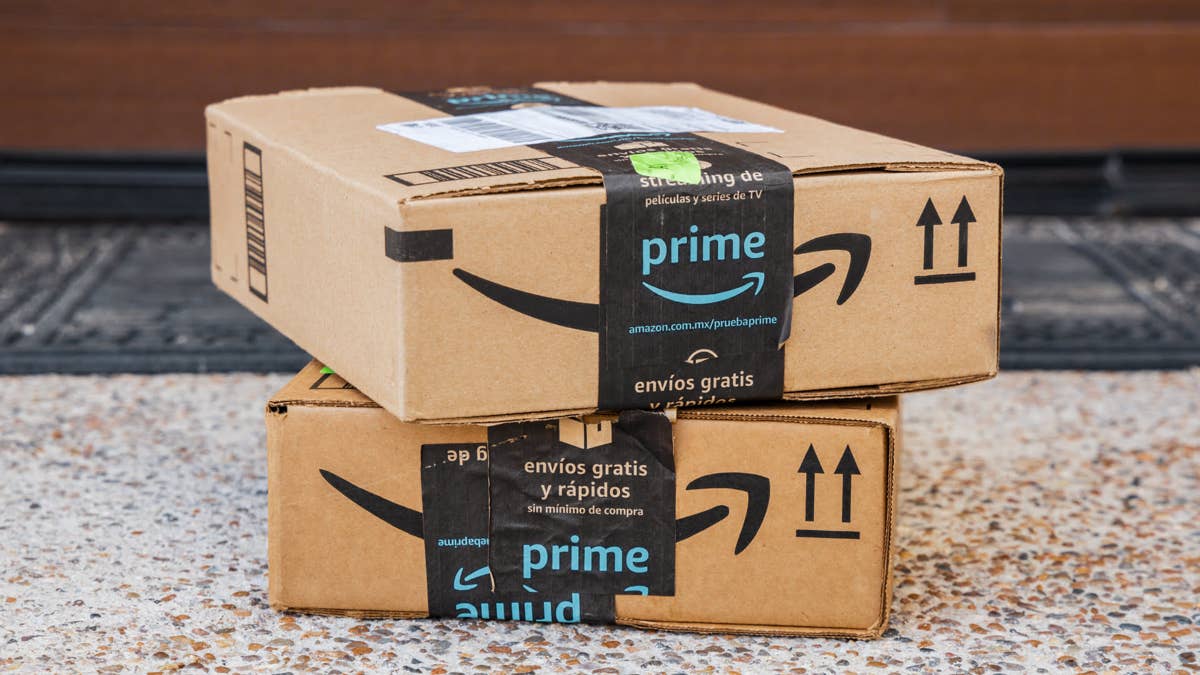
Amazon has now raised Prime prices in Mexico, giving U.S. members another reason to wonder whether a U.S. increase could be coming
Amazon Prime pricing at a glance
- Prime is $14.99 a month or $139 a year, according to Amazon’s pricing page.
- Amazon last raised Prime’s price in Feb. 2022, going from $119 to $139, citing benefits plus “the rise in wages and transportation costs,” according to an Amazon press release.
- Hikes came in 2014, 2018, and 2022, every four years, CNBC reported.
- JPMorgan called for $159 in 2026, worth about $3 billion a year, according to Fox Business.
- Mexico got a 30% hike on Sept. 21, the first increase since 2016, Merca 2.0 reported.
“Amazon Prime will raise its monthly price in Mexico for the first time since launching in the country. On Monday, September 21, the company informed users that the membership fee will increase from 99 to 129 pesos per month — a rise of 30 pesos. The new price will apply to current users starting on their renewal date on or after October 21, 2026,” according to Merca 2.0 (translated from Spanish).
The annual price increase was smaller, going from 899 to 945 pesos, only about a 5.1% increase.
Shutterstock
Amazon keeps making Prime improvements
When Prime launched, it was basically just a delivery benefit. Now, I might be willing to pay $139 a year, just for Prime Video, since the streaming service has a number of my favorite shows including “The Boys,” “Fallout,” and “Invincible.”
On the delivery side, however, Amazon keeps making improvements. That’s something CEO Andy Jassy talked about during his company’s second-quarter earnings call.
“We offer millions of items for same-day delivery with Prime, up to 40 times more selection than a typical big box retail store, and our same-day network continues to expand,” he said.
More Retail:
- Home Depot is making a big bet on cautious consumers
- Another state just banned a controversial retail pricing practice
- JPMorgan just flagged a slow-build food crisis
The retailer, he noted, has also sped up its deliveries.
“Globally, we delivered over 40% more items same day or overnight in the first 6 months of the year than the same period last year. We also continued to expand our ultra-fast service, Amazon Now, which offers delivery in 30 minutes or less on thousands of everyday essentials,” he added.
Amazon’s Mexico move is different
While the Mexico price increase could be a signal that something similar is coming in the U.S., 129 pesos is only $7.48, about half the monthly subscription cost in the U.S.
J.P.Morgan analyst Doug Anmuth said in a July research note that the bank thinks the Seattle-based e-commerce giant could raise the price of its popular Amazon Prime membership in 2026.
“Anmuth said the value of the various aspects of a Prime membership make the subscription worth about $1,430 per year, an estimate that is ‘~10x the $139 annual Prime subscription cost, +6% from our estimated value of ~$1,345 in 2024, & more than double the $544 value in 2016,’” Fox Business reported.
In many ways, Amazon follows the Costco model of rarely making a substantive comment on its Prime pricing plans before a hike.
Costco, which normally raises membership prices every five years, delayed its most recent increase.
“I think as we shared before, we really haven’t heard a lot of member feedback. I think the fact we waited seven years to increase the fee when we typically would do it in five. And so, there was a level of understanding it may be coming,” CFO Gary Millerchip shared during Costco’s third-quarter 2025 earnings call.
The delay, which the warehouse club attributed to the state of the economy, was a success, according to Millerchip.
“Overall, on membership, I’d say we’re very pleased with the metrics. We tend to look at it across renewal rates, continued sign-up activity overall, and then whether the membership count and the income growing. And when we look at those three metrics, we’re pleased with the overall direction that we’re seeing in all of those metrics,” he said.
Amazon has reasons to wait
RTM Nexus CEO Dominick Miserandino thinks that Amazon has made a decision to hold off on a Prime price increase.
“The danger is not that millions of people immediately cancel Prime. It is that a price increase makes them examine the value of the entire membership. Amazon would rather keep Prime feeling indispensable than collect a few more dollars and remind customers that it is optional,” he told TheStreet.
Amazon may also be happy with the pace Prime has been growing at.
“Prime remains a key pillar of our business, and our double-digit year-over-year membership growth reflects the value our offerings deliver at scale,” CFO Brian Olsavsky said during the earnings call.
Jeff Bezos, Amazon’s founder, summed up his key mission for Prime back in 2016.
“We want Prime to be so compelling that you’d be irresponsible not to be a member,” he said.
Related: Costco is selling the last of a Kirkland product that won’t be back