Apple (AAPL) will allegedly focus on producing and shipping its three most high-end 2026 models and defer the regular iPhone 18 to the first half of 2027 rather than releasing all new iPhone models at the same time.
But if the scheme works, it would disclose something big about Apple’s intentions. With memory chip and materials costs rising, the corporation seems ready to shift scarce components and manufacturing muscle to the phones most likely to create higher revenue and profit per device.
The lineup is said to include Apple’s first foldable iPhone and two premium non-folding models with improved cameras and larger screens. The gadgets would anchor the company’s flagship launch in the second half of 2026, with the conventional iPhone 18 coming months later.
For investors, that might mean that the next iPhone cycle is less about maximizing unit numbers and more on optimizing the economics of every device Apple can create.
Apple may be prioritizing profit over iPhone volume
From the perspective of luxury cellphone economics, this decision makes sense.
Higher-end iPhones have higher selling prices, allowing Apple greater leeway to absorb increased component costs without surrendering so much income. That’s more critical when memory prices go up.
Smartphones need both RAM and flash storage, and more complex handsets are demanding higher quantities of both as AI features, high-definition cameras, and more sophisticated applications push the hardware needs.
Apple has a fundamental allocation challenge if supply is tight: Which models receive those components first?
Focusing on premium gadgets allowed the company to dedicate its limited inventory to products with the greatest revenue possibilities. The compromise: Apple might temporarily sacrifice some sales at the bottom end of its flagship lineup.
That would be a change that mattered.
Apple has historically utilized a single wide-ranging annual iPhone launch to cover multiple price points at once. A delay to the ordinary model would make premium devices even more significant during the critical holiday selling time.
Related: Apple’s next iPhone battle just got more complicated
The alleged plan also fits into a larger trend of premiumization in consumer electronics. As component inflation grows, companies have three options: absorb the costs, raise prices, or adjust the mix of what they sell.
Apple has one of the most powerful brands in the industry, which gives them more leeway than many competitors.
Apple’s first foldable raises the stakes
The news that Apple will produce its first foldable iPhone gives another incentive to focus resources on fewer items.
The production of foldables is more complex than that of traditional cellphones. They need flexible screens, unique hinges, and stricter durability tolerances. Apple is seeking to eliminate manufacturing risks linked to the more complicated industrial processes, Nikkei Asia said.
And it makes it understandable to concentrate on a narrower premium line-up.
Apple would be joining a field where competitors have spent years honing foldable tech, but it would also be bringing one of the industry’s most valuable brands into an area that’s still somewhat niche.
A foldable iPhone might be, therefore, both a product test and a price test.
Even without a big unit increase, Apple may boost average selling prices if buyers take it up. This would be particularly appealing in a year of growing input costs.
The memory crunch may be forcing harder choices
Supply constraints are the less glamorous part of the story, but potentially the more important one for shareholders.
The Nikkei Asia report specifically cited rising memory-chip and materials costs as factors behind Apple’s decision.
Apple has huge buying power but isn’t exempt from shortages that plague the entire industry. If the cost of components rises faster than selling prices, higher memory costs could squeeze margins on the hardware.
Apple can respond by renegotiating with suppliers, redesigning goods, accepting lower margins, or increasing prices.
By concentrating on luxury models, it also has the choice to alter its product mix.
Selling more of the high-end devices might offset cost inflation without having to raise prices across the iPhone range by the same amount.
That’s why the alleged delay of the regular iPhone 18 may be more than a scheduling tweak.
It could also be a margin management approach.
Strong iPhone demand gives Apple room to experiment
Timing could be right for Apple.
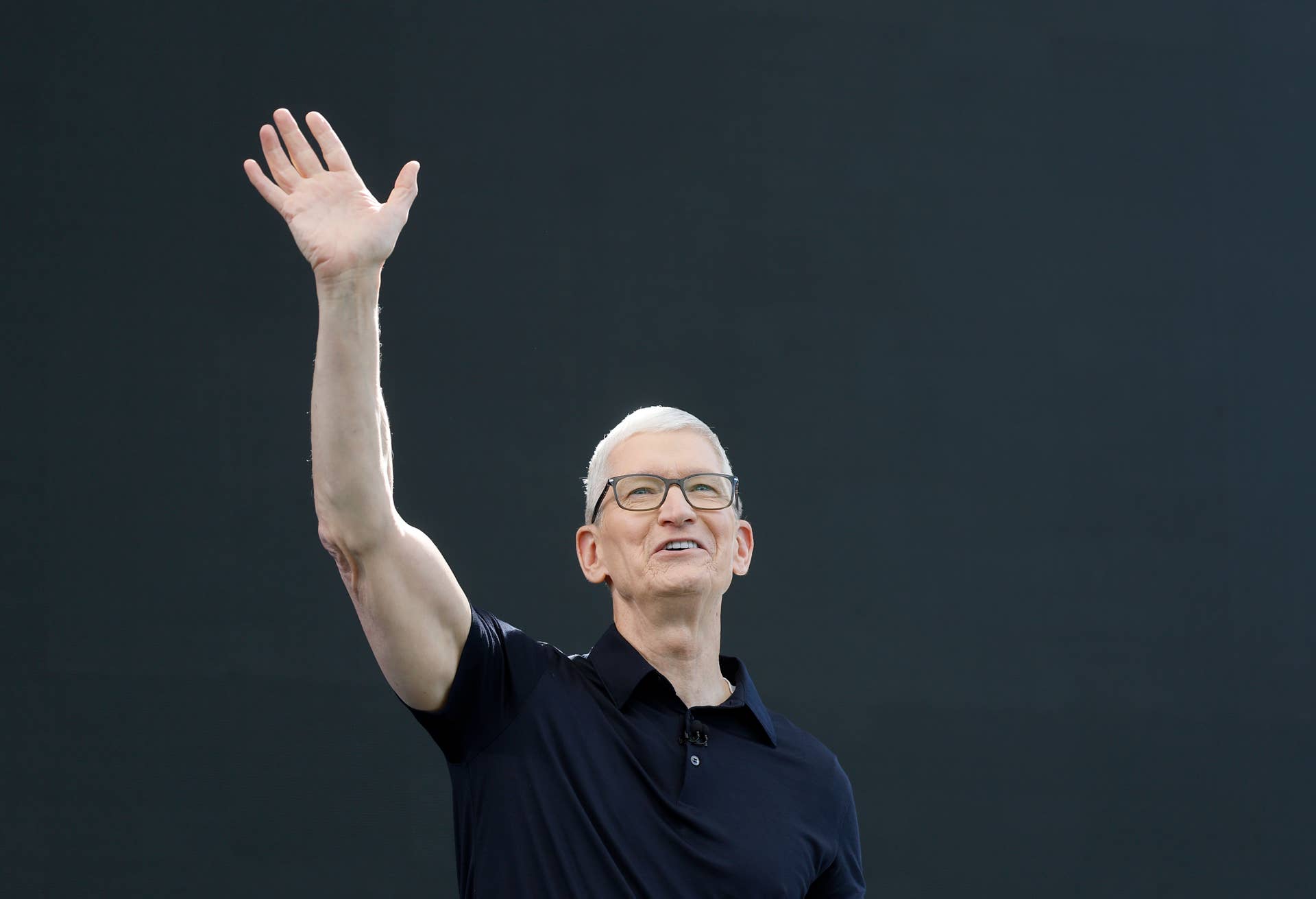
The company topped Wall Street projections for quarterly revenue recently, driven by robust iPhone demand and a resurgence in China. Demand for the latest devices was “staggering,” Tim Cook, the company’s CEO, said.
With demand that strong, Apple has a lot of wiggle room.
For a corporation that can’t sell phones, it makes little sense to make its newest standard flagship harder to acquire. Apple may be taking the opposite approach.
If luxury iPhones are in high demand, management can allocate more resources to those items and delay the basic upgrade.
The hazards remain significant. Some buyers may put off upgrading rather than pay more. But rivals could target users looking for a new phone in the second half of 2026 but who don’t want to pay premium prices.
And as Apple hasn’t confirmed the rumor, the eventual launch strategy could still alter.
What Apple investors should watch
- Premium mix: Whether higher-end iPhones account for a larger share of sales.
- Foldable demand:Apple’s first foldable could test how far buyers will stretch their budgets.
- Memory prices: Persistent inflation could pressure hardware margins.
- Standard iPhone timing: A 2027 launch would mark a major change in Apple’s release cadence.
- Average selling prices: A richer product mix could lift revenue even without strong unit growth.
It’s not a question of Apple being able to sell another premium iPhone. That it has already demonstrated.
The broader question is whether Apple can capitalize on its brand strength to turn an industrywide supply problem into a strength.
If the allegation is correct, Apple would be reminding consumers that its latest technology is first for the luxury end, while those who want the regular model may have to wait.
Such a scenario can be frustrating for certain customers.
It could also be a signal of how strongly Apple is willing to preserve the economics of the iPhone for stockholders.
Related: Apple CEO admits AI causes price troubles for Apple products