Apple (AAPL) could be gearing up to offer consumers a more enticing reason to upgrade their iPhones: artificial intelligence technologies that perform better on newer hardware.
That might add to the much-talked-about iPhone 18 “supercycle” possibility.
But investors need to be mindful of that label.
Apple has not disclosed the iPhone 18 lineup, the prices, or a 12-gigabyte RAM need. Unconfirmed reports say that the Pro models will be coming in September, but the regular iPhone 18 will have to wait until spring 2027.
The more viable investing thesis does not require record unit sales.
Apple could engineer a financially successful launch by pushing more buyers to costlier Pro versions, driving up average selling prices and creating additional services revenue after each sale.
The promise comes with a significant risk: artificial intelligence is increasing the value of new hardware and the expense of making it.
Apple could turn AI compatibility into premium demand
Apple has already hardware-locked its newest AI features.
Apple Intelligence and Siri AI in iOS 27 support the iPhone 15 Pro and Pro Max, the iPhone 16 generation, and newer models. That means reports of a universal 12-gigabyte requirement are overstated, although future features could still favor the latest processors and additional memory.
But Apple has a huge upgrade pool.
The company has more than 2.5 billion active devices installed, many of them older iPhones that can’t run the full Apple Intelligence experience.
The corporation doesn’t ask all those people to update at once.
It merely takes enough owners of previous devices to decide that a more capable Siri, on-device models, and other exclusive services are worth switching to newer hardware.
A staggered iPhone 18 release could reinforce that incentive.
Customers looking for Apple’s latest hardware may be faced with a choice: buy a Pro model or wait until 2027, with no basic iPhone 18 apparently available in the autumn timetable. This may improve Apple’s product mix without an enormous rise in total shipments.
Related: Apple just raised its service prices without telling anyone
The secondhand market limits how effective that tactic can be.
If you want to cut back, an iPhone 15 Pro or even something from the iPhone 16 and iPhone 17 generations might still provide you access to numerous AI features.
Apple cannot rely on compatibility.
Siri AI needs to be useful enough that consumers can really see a difference between old and new gadgets.
The iPhone 18 may test Apple’s pricing power
The greatest challenge to Apple’s plan is the same AI explosion that forms the basis of the upgrade argument.
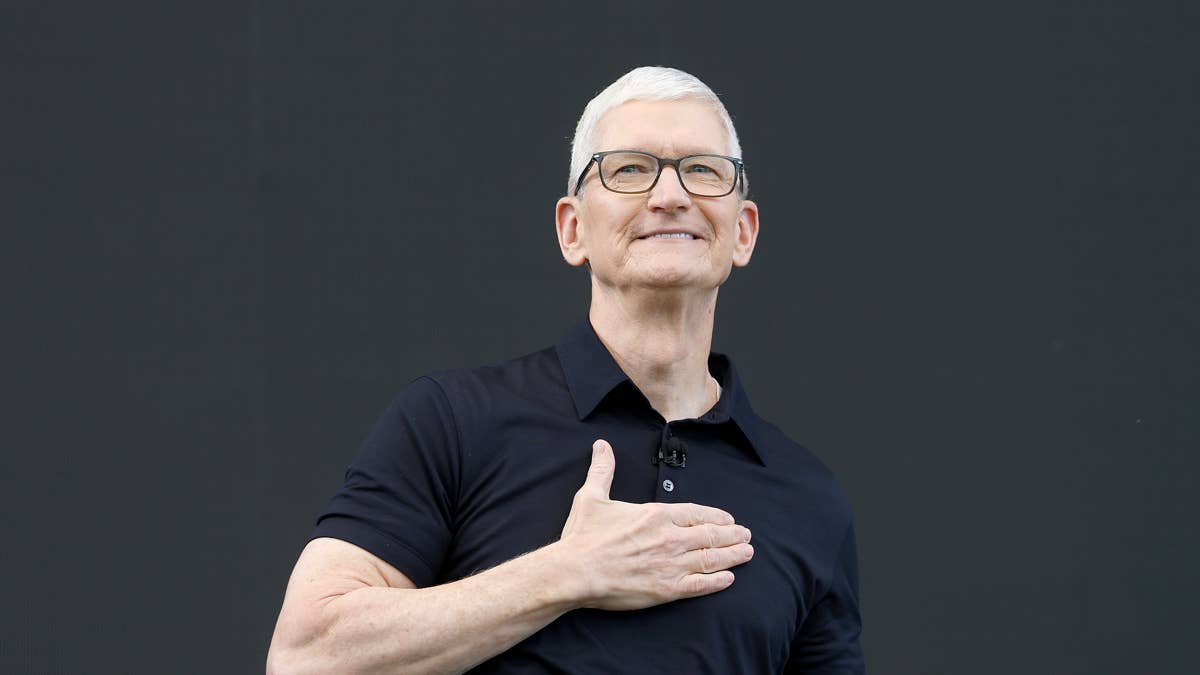
AI data centers are gobbling up vast amounts of memory and storage, leading to shortages and higher pricing for components. Apple CEO Tim Cook said the company plans to hike some of its product prices because the current inflation in memory and storage is not sustainable.
Apple has already hiked pricing on some Macs and iPads, but it did not alter iPhone prices at the time.
That’s a perilous decision, and the wider smartphone market illustrates why.
Global shipments declined 11% in the second quarter as memory shortages drove up cellphone prices and subdued demand. Apple outperformed the broader market, aided by steady pricing and demand for pricier iPhones.
This situation presents a difficult trade-off.
Apple can swallow more of component inflation to shield demand or transfer the cost to customers and maintain margins. It may also add storage, combine services, or leverage financing options to make a higher price more tempting.
More Apple:
- Apple stock move vindicates Palantir CEO warning for AI industry
- Apple’s iPhone cost problem reveals AI’s hidden bill
- Apple’s 2027 hardware refresh sends Wall Street a warning
Financial strength allows flexibility.
Apple posted $111.2 billion in revenue for the fiscal second quarter, up 17%, fueled by record iPhone sales in the March quarter.
But services can’t justify a higher upfront price, and Apple has not revealed a paid-for Apple Intelligence layer that would subsidize the device.
Key takeaways for Apple investors
- Apple has not confirmed the iPhone 18 schedule, specifications or pricing.
- AI compatibility could encourage owners of older iPhones to upgrade.
- A staggered launch may push more buyers toward premium models.
- Rising memory costs could force Apple to choose between demand and margins.
- Siri AI must become genuinely useful for the upgrade thesis to work.
Apple won’t need the iPhone 18 to spark a historic unit sales explosion to benefit from it.
A better mix of Pro devices, higher average prices, and continuous development in services should deliver a great financial result.
The risk is that investors confuse forced premiumization with limitless demand.
Apple uses artificial intelligence to justify charging more. It will depend on whether customers believe the iPhone 18 gives them a reason to pay more.
Related: Citi revamps Apple’s stock price target for the rest of 2026