Two of the world’s biggest drugmakers moved in opposite directions on Monday, and the split says a lot about how Wall Street reads a merger.
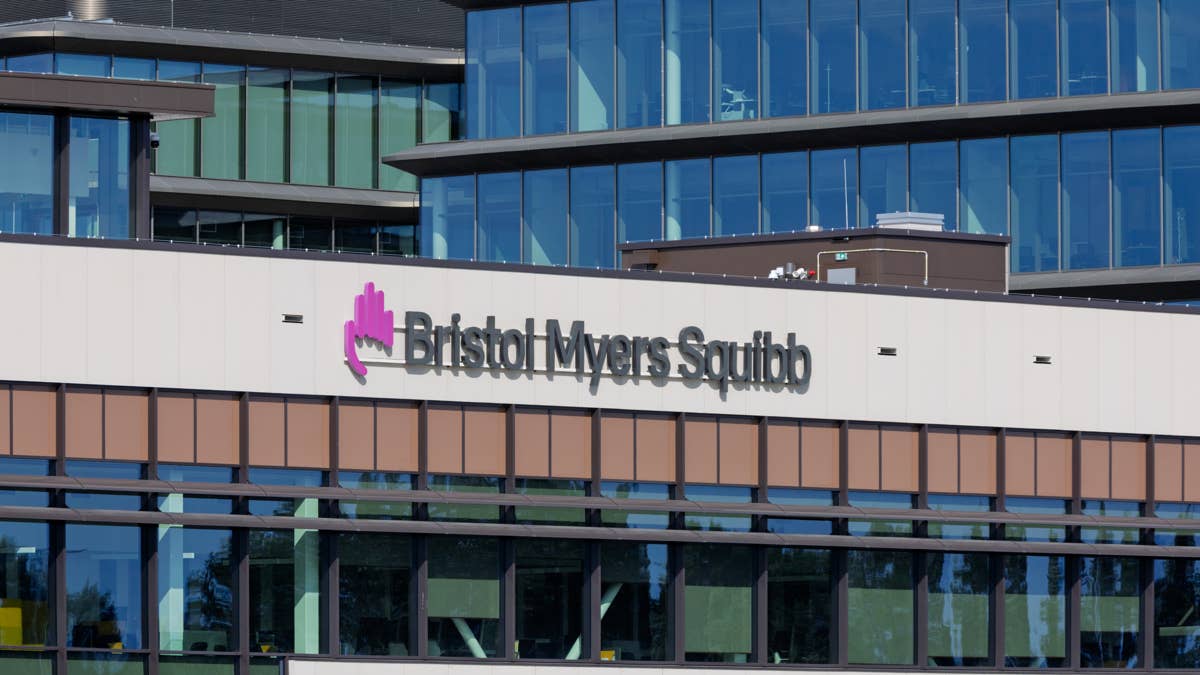
Reports surfaced over the weekend that AstraZeneca (AZN) had held talks about combining with Bristol Myers Squibb (BMY).
The deal would be worth close to $400 billion if successful.
You might expect both stocks to rise after the announcement of the deal. That is not what happened.
AstraZeneca dropped hard while Bristol Myers climbed. The reaction was so lopsided that several analysts came out the same morning to say they were confused by it.
For anyone holding either stock, the contrast between the two reactions is worth understanding.
AstraZeneca stock falls 7% as Bristol Myers merger reports spread
AstraZeneca shares fell as much as 7% in London trading on Monday, August 3, one of the steepest drops on the FTSE 100 that day.
Bristol Myers Squibb rose in U.S. trading, closing near a 52-week high.
The move followed a report from the Financial Times, later matched by Bloomberg, that the two companies discussed a merger over recent months.
Both companies declined to comment, and sources cautioned the talks could stall or fall apart, Reuters reported.
More Pharma Coverage:
- AstraZeneca erases billions after sobering reveal
- JPMorgan resets UnitedHealth stock target for 2026
- Trump bought these health care stocks in 2026. Should you?
A combined company would rank as the largest drugmaker in the world by revenue, according to CNBC. It would still sit fourth by market value.
Why Bristol Myers shareholders came out ahead
When merger news breaks, the company being bought usually gains and the buyer often falls.
That standard pattern played out here, and the reason sits inside Bristol Myers’ product lineup.
Bristol Myers faces a serious patent problem. Its two biggest drugs, the blood thinner Eliquis and the cancer treatment Opdivo, lose key patent protection around 2028.
Those two products brought in $24.5 billion last year, about 51% of the company’s total sales, according to Labiotech. Generic competition after 2028 would cut deeply into that.
Here is what a merger changes for Bristol Myers holders:
What the deal would do for Bristol Myers investors
- Folds a looming revenue loss into a much larger, more diversified company.
- Arrives while the stock trades near a 52-week high, after a first-quarter beat that topped both earnings and revenue expectations.
- Offers a likely premium if a formal deal is announced.
That timing matters. The rumors landed right after Bristol Myers posted a strong first quarter, which strengthened its hand.
Why AstraZeneca investors are selling instead of buying
AstraZeneca already has one of the strongest drug pipelines in the sector, and its shareholders do not see why it needs Bristol Myers’ aging portfolio.
That was the core of the analyst pushback. According to CNBC, Jefferies told clients it was “a bit perplexed,” adding that if any company does not need financial engineering, it is AstraZeneca.
Related: BridgeBio stock jumps after rival heart drug fails key trial
Citi called the reported talks a surprise given AstraZeneca’s “best-in-class pipeline.”
TD Cowen analyst Steve Scala estimated that combining with Bristol Myers would dilute AstraZeneca’s 2027 to 2032 sales growth by two percentage points, TipRanks noted.
AstraZeneca is chasing $80 billion in annual sales by 2030, up from $58.74 billion in 2025.
Absorbing a company built around drugs losing protection in 2028 works against that goal.
Three reasons AstraZeneca holders are wary
- Bristol Myers’ patent cliff would slow, not speed, AstraZeneca’s growth
- Large mergers routinely disrupt research pipelines for years during integration
- AstraZeneca just reported a rare late-stage heart drug trial failure in July
The regulatory wall standing in the way
Even if both boards agreed, a deal this size would face heavy antitrust review in the United States, the United Kingdom, and Europe.
The problem is overlap. Both companies sell competing cancer immunotherapies, including Bristol Myers’ Opdivo and AstraZeneca’s Imfinzi.
Related: Johnson & Johnson bets $1 billion on hard-to-treat cancer
Regulators would likely demand billions in product sales before approving any combination.
Those forced sales cut both ways. They reduce the revenue that made the deal attractive, and they add months or years to the timeline.
There is also a national angle. AstraZeneca is the United Kingdom’s second most valuable company, and a move to fold it deeper into a U.S. structure has already drawn political attention, Yahoo Finance reported.
What both companies said, and what happens next
Neither company has confirmed the talks. That silence will not last much longer.
Both are scheduled to report third-quarter results in late October, with Bristol Myers reporting on October 29 and AstraZeneca on October 30.
Executives will almost certainly face direct questions about the merger reports on those calls.
For now, the trade sits in an uneasy spot. Bristol Myers shares carry a premium built on deal hopes, while AstraZeneca trades at a discount tied to deal fears.
If the talks collapse, that setup might reverse. AstraZeneca could recover the ground it lost, and Bristol Myers could give back its merger-driven gains.
Dates and figures worth tracking
- October 29: Bristol Myers third-quarter earnings call
- October 30: AstraZeneca third-quarter earnings call
- $400 billion: reported combined value of the merger, first reported by the Financial Times
- 2028: the year Bristol Myers’ Eliquis and Opdivo lose key U.S. patent protection
Nothing here is settled. These remain early-stage talks that both sides may walk away from, which is exactly why the two stocks are pricing in such different outcomes.