Mark Zuckerberg had one message he wanted investors to hear on Oct. 21. “Our investments are paying off, the core business is strong, and we’re seeing velocity across the board,” the Meta chief said in the company’s earnings release.
Wall Street mostly bought it. At least 13 analysts raised their price targets after the report, yet the stock still fell sharply by midday on Oct. 22 as chipmakers and other big tech names slid alongside it. That gap between analyst enthusiasm and investor nerves is where the real story sits.
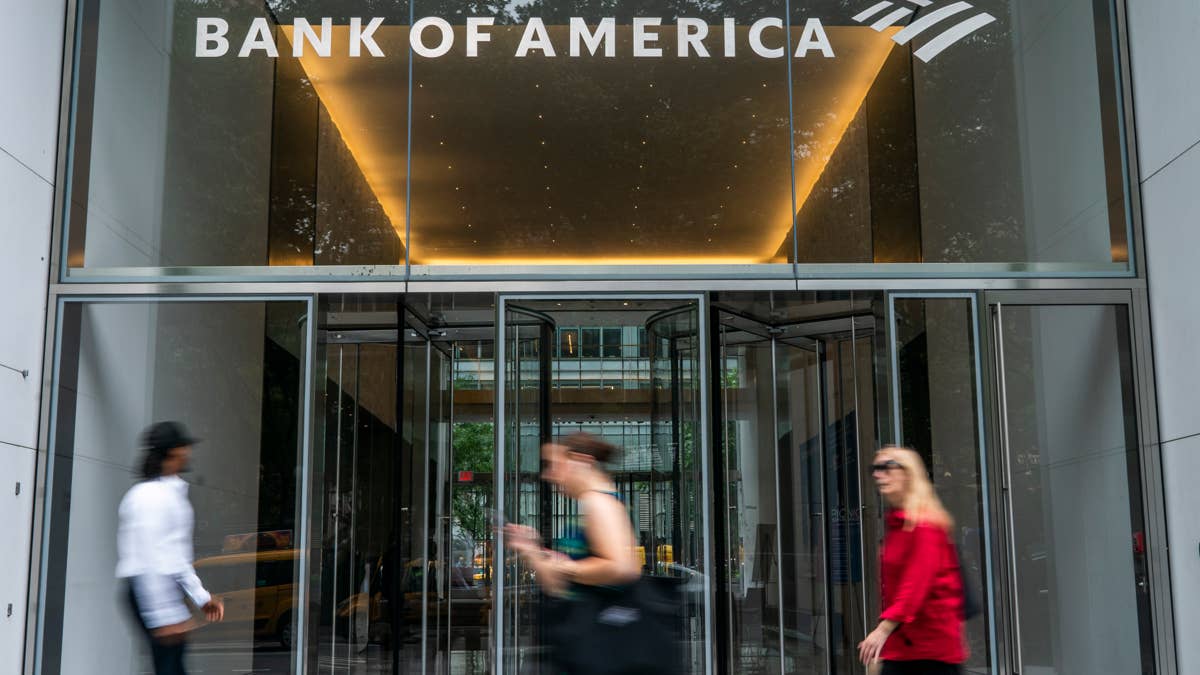
Bank of America raised its Meta price target to $845 from $810
Bank of America raised its price target on Meta Platforms to $845 from $810 and kept its buy rating. The new target implies an upside of roughly 21%, a strong vote of confidence in a company spending at a historic pace.
Also read: Meta Muse gives AMD and Intel investors a reason to cheer
The bank pointed to strong revenue growth driven by continued AI improvements in Meta’s core advertising business. It also argued that Meta’s base of about 3.6 billion users and 500 million enterprises gives it a running start in getting people to adopt new AI services. It added that growing visibility into AI monetization in 2027 should boost confidence in the returns on that spending.
Bank of America was far from alone.
JPMorgan lifted its target to $940 from $920, while UBS moved to $892 from $884, both keeping bullish ratings, with JPMorgan citing strong advertising, video growth and early momentum in Muse. Wells Fargo was a rare exception, trimming its target slightly even as it kept an overweight rating.
Not every firm moved in the same direction, but the overall tilt is bullish. MarketBeat puts the consensus at moderate buy, with an average target of $815.92. Bank of America’s $845 sits above that midpoint, with room still left before the most aggressive calls.
Meta third-quarter beat behind the upgrade
The optimism starts with the top line. Meta’s revenue rose 26% from a year earlier to $64.6 billion, beating expectations, and the company guided to $73 billion to $76 billion for the fourth quarter, according to Meta. Shares rose in after-hours trading as investors first reacted to the numbers.
Profit looked messier on paper. Meta reported earnings of $3.83 a share after taking a $9.89 billion legal charge tied to a settlement with 52 state attorneys general over teen mental health, according to Meta’s earnings release. Excluding that charge, earnings came in at $7.40 a share.
The ad engine is doing the heavy lifting. Ad impressions rose 10% from a year earlier, while the average price per ad climbed 14%. Rising prices suggest advertisers are willing to pay more for the sharper targeting that AI tools are increasingly making possible.
New products are adding to the case. Meta launched Muse on Sept. 8 as a personal AI agent with a free tier alongside paid subscriptions at $20 and $100 a month. The company is exploring commerce opportunities through it, and analysts expect the revenue payoff to come later, through areas such as agentic commerce and customer service.
Meta spending, dilution and legal bills
The price of all this ambition is steep. Meta narrowed its 2026 capital spending forecast to $135 billion to $145 billion and raised its full-year expense outlook to account for the legal charge, according to Meta. The company also said it plans to keep investing aggressively in AI next year.
Investors also have to think about a new class of stock. Meta will issue one nonvoting Class C share for each existing share, and it expects to sell Class C stock from time to time to raise capital, pay employees and fund acquisitions.
Entities tied to Zuckerberg and Priscilla Chan hold 56.1% of the voting power, so critics note that shareholders bear the economic burden of dilution while Zuckerberg retains control.
Even Bank of America acknowledged the friction. The bank said expense increases and potential capital raises will remain concerns, and it flagged Google’s agentic AI launch and OpenAI’s advertising ramp as risks. It still sees the valuation as attractive given the size of the AI opportunity.
More Meta:
- Meta Muse gives AMD and Intel investors a reason to cheer
- Meta and Microsoft just sent employees a memo about Anthropic
- Bank of America sends a stark message to Meta stock investors
Legal costs are another wild card. A New Mexico judge ordered Meta on Oct. 21 to pay the state $25 billion after a jury found it misled consumers about privacy on Facebook, and the company has said it plans to appeal the verdict. An appeal could keep that money tied up for some time.
What Meta investors should watch next
The new share class comes first. The Class C stock takes effect on Jan. 19, 2027, and Meta expects its Class A shares to trade roughly as if they had split two-for-one once the dividend is paid. Any sales of Class C stock after that will show how Meta plans to fund its buildout.
Next year’s spending plan is the second big test. Meta has not yet given a full-year 2027 outlook, but JPMorgan has already projected capital spending of $243 billion in 2027, well above Wall Street consensus, TheStreet reported. Investors will be watching closely for Meta’s own number, since heavy AI spending has been the central worry weighing on the stock.
Reality Labs is the other number worth tracking. The division is headed for an $18 billion to $19 billion loss this year, less than 2025 but still a heavy drag, with the tab since 2020 now closing in on $90 billion. Susan Li, Meta’s CFO, said regulators in several markets are still pressing on youth safety. Whether those bills grow or stabilize is what will ultimately test the conviction behind Bank of America’s upgrade.
Related: OpenAI makes development moves to counter SpaceX and Meta