Every empire eventually discovers that its most useful weapon is not a weapon. Rome had roads. The United States has plumbing.
Not literal plumbing. The wiring that moves money between banks, the correspondent accounts, the clearing systems, and the settlement rails that nobody thinks about until they stop working.
Almost every cross-border trade of any size touches a dollar somewhere in its life. That means almost every bank of any size needs a way into the American financial system, and that way in has always been conditional in theory.
It is rarely made conditional in practice. Doing so is expensive, loud, and tends to push people toward building alternatives you cannot see.
For most of this year, the conditionality stayed theoretical. The war that began in February throttled shipping through the Strait of Hormuz, a June memorandum was supposed to settle how the waterway would be run, and it did not hold.
Talks stalled this month, crude climbed more than 5% in a week, and Washington kept promising something bigger.
On Monday, Aug. 24, the bigger thing arrived. Treasury Secretary Scott Bessent stood in the Cash Room at the Treasury Department and launched Operation Economic Outcast, a campaign the administration has been calling an “economic D-Day.”
Then the oil market did something the announcement did not seem to account for. It went down.
Why Iran sanctions run through the Strait of Hormuz
Sanctions on Iran are not new. They are one of the most heavily layered sanctions regimes on earth, and Tehran has spent decades building workarounds.
What changes the math is the waterway. The Strait once carried about a fifth of global oil supply, according to Reuters, which makes any disruption there a global price event rather than a regional one.
More Tariffs:
- Tariffs just pushed Hyundai deeper into America
- Bessent doubles down on tax cuts’ payoff
- White House sends warning to nations relying on the Strait
That is the mechanism worth understanding before anything else. Washington is not trying to make oil expensive. It is trying to make Iranian oil unsellable while keeping everyone else’s oil moving, and those two goals sit on top of the same shipping lane.
The tool for splitting them is the secondary sanction. A primary sanction says an American cannot do business with Iran. A secondary sanction says a Malaysian refiner or a Chinese bank cannot do business with Iran and keep its access to the dollar system.
The second kind is the one with teeth, because it converts a bilateral fight into a choice every finance ministry has to make on its own.
Treasury has been working this angle all year. Its Aug. 24 action was at least the eighth of 2026 aimed at Iran’s shadow banking apparatus, including front companies, exchange houses, major financiers, and the importers and exporters who launder and repatriate revenue, according to the Treasury Department.
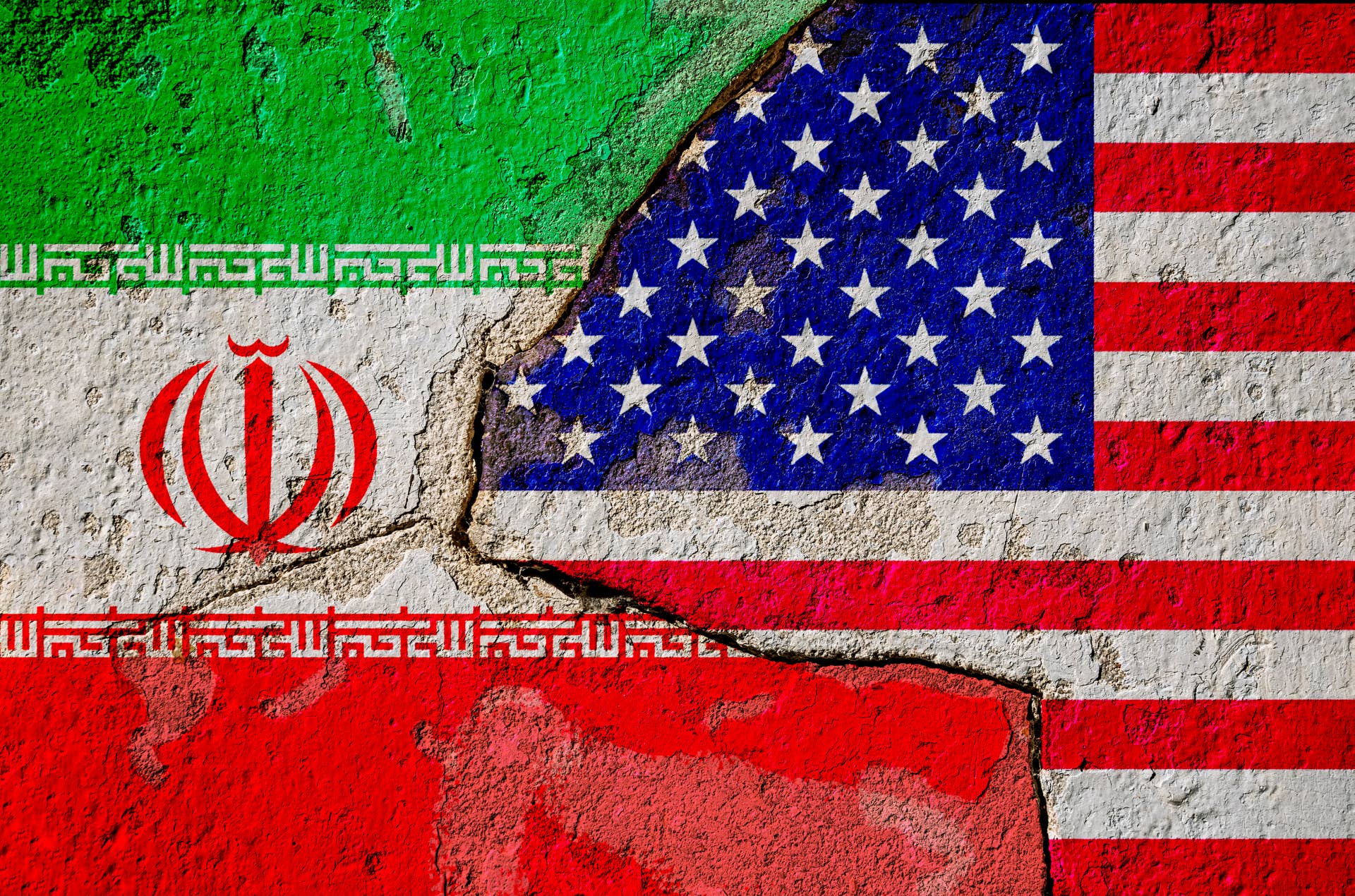
What Operation Economic Outcast actually does
The operation expands the categories that trigger secondary sanctions into five sectors Bessent identified as Iran’s remaining lifelines: digital assets, technology, gold, aviation and shipping.
Treasury’s Office of Foreign Assets Control simultaneously designated nearly 60 entities, individuals, and vessels tied to nuclear and missile procurement, cyber operations, and oil smuggling, reported Axios.
Bessent tied the framing directly to 1944. “We are launching an economic onslaught against Iran’s financial connections around the globe,” he said, according to CBS News.
The threat underneath the announcement is blunter than the sector list suggests. Any entity that launders money for Iran loses access to the dollar system, and countries that keep the trade running should expect to share Iran’s isolation.
- Brent crude fell about 2.5% to $92.06 a barrel on Aug. 24, the day of the announcement, according to CNBC.
- Brent had traded as low as $71 in June before inventory draws and a longer-running disruption pushed it back up, Reuters reported.
- Morgan Stanley raised its Brent forecast and now projects a peak near $100 in the fourth quarter, according to Reuters.
- The national average for regular gasoline hit $4.10 on Aug. 20, the highest ever recorded on that date, and August 2026 is on track to be the most expensive August at the pump on record, AAA noted.
He declined to name the countries under pressure or publish their deadlines, describing the approach as quiet diplomacy. He also said he expects a major financial institution to be sanctioned by the end of the week.
The unstated target is not hard to identify. China has historically bought roughly 90% of Iran’s exported crude, which makes Chinese banks the load-bearing wall of the entire evasion network.
Bessent’s argument is that “total financial isolation” could make military force unnecessary, he told reporters, according to the Washington Post.
The question is what the operation is being launched into.
What a $93 barrel means for your gas bill
I ran the day’s price action against the announcement timeline, and the sequence is hard to miss. The most aggressive sanctions package the Treasury has ever described landed, and the commodity it was designed to squeeze sold off.
Traders were taking profits after two strong weeks. The deeper read came from SEB analyst Bjarne Schieldrop, who argued that a $93 barrel rather than a $120 one tells you “enough oil is flowing through the Strait of Hormuz,” he told Reuters.
Translated: The market has already priced a partially blocked Strait. It has not priced a closed one, and the Monday, Aug. 24 announcement did not change its estimate of the odds.
Related: Iran de-escalation just hit energy stocks
That distinction matters more to your budget than any sanctions list. The national average climbed 28 cents between July 6 and Aug. 5 alone, according to AAA data compiled by ChooseEnergy.
For a household burning 100 gallons a month, my analysis puts that at roughly $28 in additional fuel spending inside four weeks, and that was before the Aug. 24 announcement.
That is not a portfolio problem. That is a grocery-budget problem, and it lands whether or not you own a single energy stock.
For investors, the setup is genuinely awkward. Integrated majors such as Exxon Mobil (XOM) and Chevron (CVX) benefit from a tighter barrel, while nearly everything else in a diversified portfolio prefers cheap energy and a calm inflation print.
Higher crude also complicates the rate path, which is why the timing of the next Fed interest-rate move has become such a contested question on the desk.
The bond market Bessent still has to answer to
There is a second front here that got almost no attention on Aug. 24.
The same Treasury secretary threatening to eject foreign banks from the dollar system spent last week trying to persuade the bond market to calm down about American debt.
Treasury said on Aug. 19 it would at least double its longer-dated buyback operations, from $2 billion to at least $4 billion. The larger operations begin Sept. 9, according to CNBC.
Bessent confirmed that not a single bond has been purchased under the expanded program yet.
Those two projects are in tension. The dollar’s weaponization is only credible because the world has nowhere better to park money, and the 30-year yield recently sat at levels last seen before the 2008 financial crisis.
Every time Washington demonstrates that dollar access can be revoked, it hands a talking point to whoever is building the alternative. That cost does not show up on any sanctions list, and it does not show up next quarter.
I am watching three things from here. Whether the major financial institution Bessent promised actually gets designated this week, and whether any named country publicly complies.
I’m also looking at whether Brent breaks $100, the level where the pump stops being an annoyance and starts being a political problem.
The Strait is still open. That is the only number the oil market is trading, and until that changes, an economic D-Day is a headline in Washington and a rounding error in Rotterdam.
Related: Scott Bessent sends strong message on oil price and Iran