Last week Boeing’s top executive told Wall Street something investors did not want to hear. The airline manufacturer is not yet ready to ramp up production of its bestselling jet.
Speaking at Morgan Stanley’s 14th Annual Laguna Conference on Sept. 16, Boeing (BA) CEO Kelly Ortberg admitted the 737 Max program has hit a snag on its way to higher output.
It is a small but important crack in a recovery story that has fueled optimism around Boeing stock all year.
The admission is important because Boeing’s entire turnaround plan, and its promise of $10 billion in free cash flow, depend heavily on getting more Max jets out the door.
Boeing CEO points to wing production as the holdup
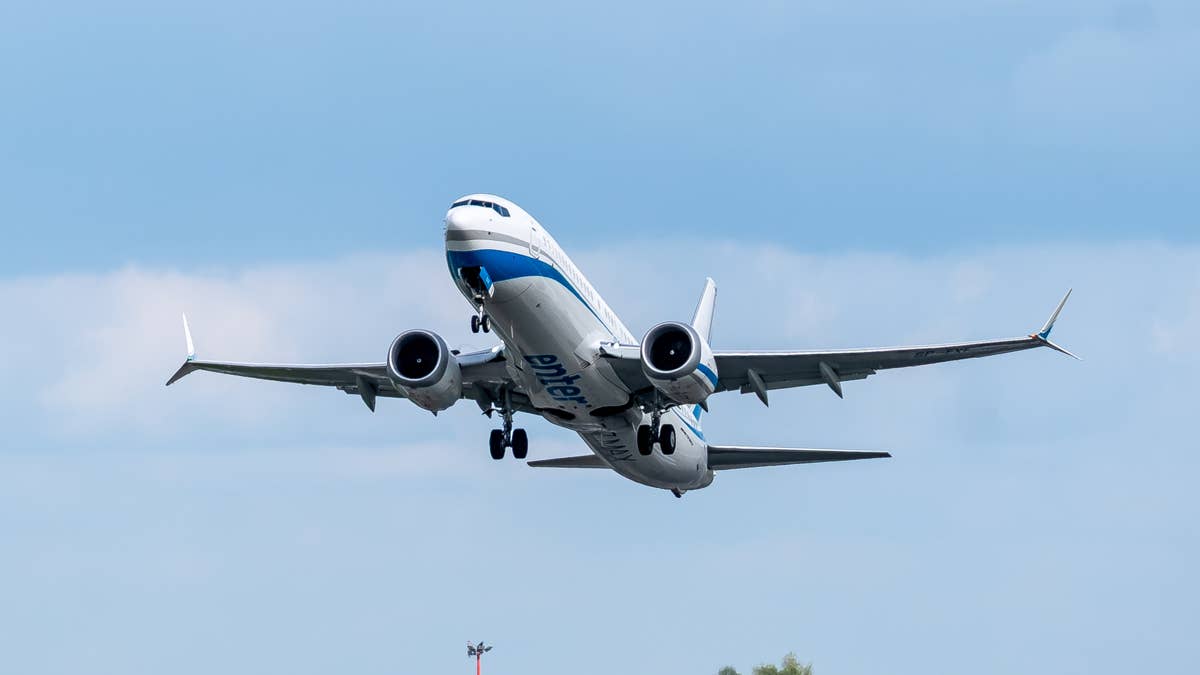
Boeing has been building 737 Max jets at a rate of 47 per month. The company wants to increase the monthly production figure to 52.
“We’re now driving at 47 a month, but we are not stable yet at 47 a month. That’s probably taken us a little bit longer than what I had anticipated,” Ortberg told the Laguna Conference audience.
The bottleneck is not the supply chain overall. It is wings.
Boeing builds every wing for the Max program in Renton, Washington, and Ortberg said the flow of finished wings has not sped up as planned.
Boeing CFO Jay Malave echoed that caution on the company’s Q2 earnings call on July 28, when the 737 was already climbing toward 47 planes a month following a capstone review that spring.
Why the delay matters for Boeing stock
Boeing’s cash story depends on volume. More jets delivered means more customer payments collected.
Wall Street has largely priced in the assumption that ramping to 52 planes a month will soon be achievable.
Here is what is riding on that ramp, based on Ortberg’s own comments:
- Boeing needs both the existing Renton line and a newly opened north production line in Everett running well before moving to rate 52.
- A second wing bottleneck could push the timeline for higher rates further into next year.
- Free cash flow guidance of $1 to 3 billion for 2026 already assumes some slowdown in rate increases.
- Longer-term rate targets of 57 and eventually 63 planes a month depend on the supply chain absorbing even more strain.
- Engine deliveries from CFM remain adequate for now, but that could change at higher volumes.
None of this means the recovery has stalled.
Boeing delivered 171 airplanes in the second quarter, its best quarterly total since 2018, and the FAA has restored the company’s authority to issue airworthiness certificates on its own.
But the wing issue shows how fragile the pace of improvement still is.
Related: Boeing lands $131 billion deal, but Americans should read the fine print
A second threat hangs over the production timeline that has nothing to do with engineering. Boeing’s contract with its engineering union, SPEEA, expires Oct. 6.
Ortberg was blunt about what a strike would mean for the business. “Essentially, the 777 certification program shuts down until we get the engineers back, and it will have a ripple effect even into our production,” he said at the Laguna Conference.
Boeing has a contingency plan meant to keep some 737 output running if talks break down, though Ortberg said the company likely could not sustain current rates during a walkout.
The 787 program, based in South Carolina, would not be affected since it falls outside SPEEA’s coverage.
The bigger picture for BA stock
Boeing’s story this year has been one of steady, visible progress.
Certification of the 737 Max 7 arrived, the Max 10 is close behind, and the company’s backlog sits above six thousand airplanes.
But Ortberg’s comments at Laguna remind us that Boeing’s climb back to full health is not a straight line.
More Airlines:
- Another airline cancels flights until August, offers some refunds
- Another airline will be dissolved, all flights canceled
- Airline shuts down, all flights grounded after accident
Wings built too slowly in Renton, a labor contract still unsigned, and engine deliveries that need to keep pace as rates rise all represent points where the plan could slip.
For now, Boeing is sticking with its 2026 cash flow guidance and its longer-term target of 50-plus Max deliveries a month.
Whether the company gets there on schedule likely comes down to a factory floor in Renton and a union vote due before Oct. 6.
Related: Boeing races to defuse a threat that could ground its comeback