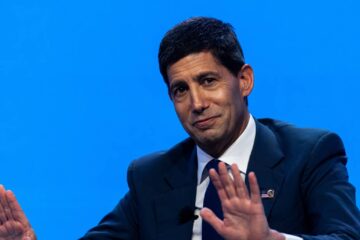
JetBlue Airways (JBLU) is heading into a more significant phase of its comeback without one of the activist investors who helped alter its board.
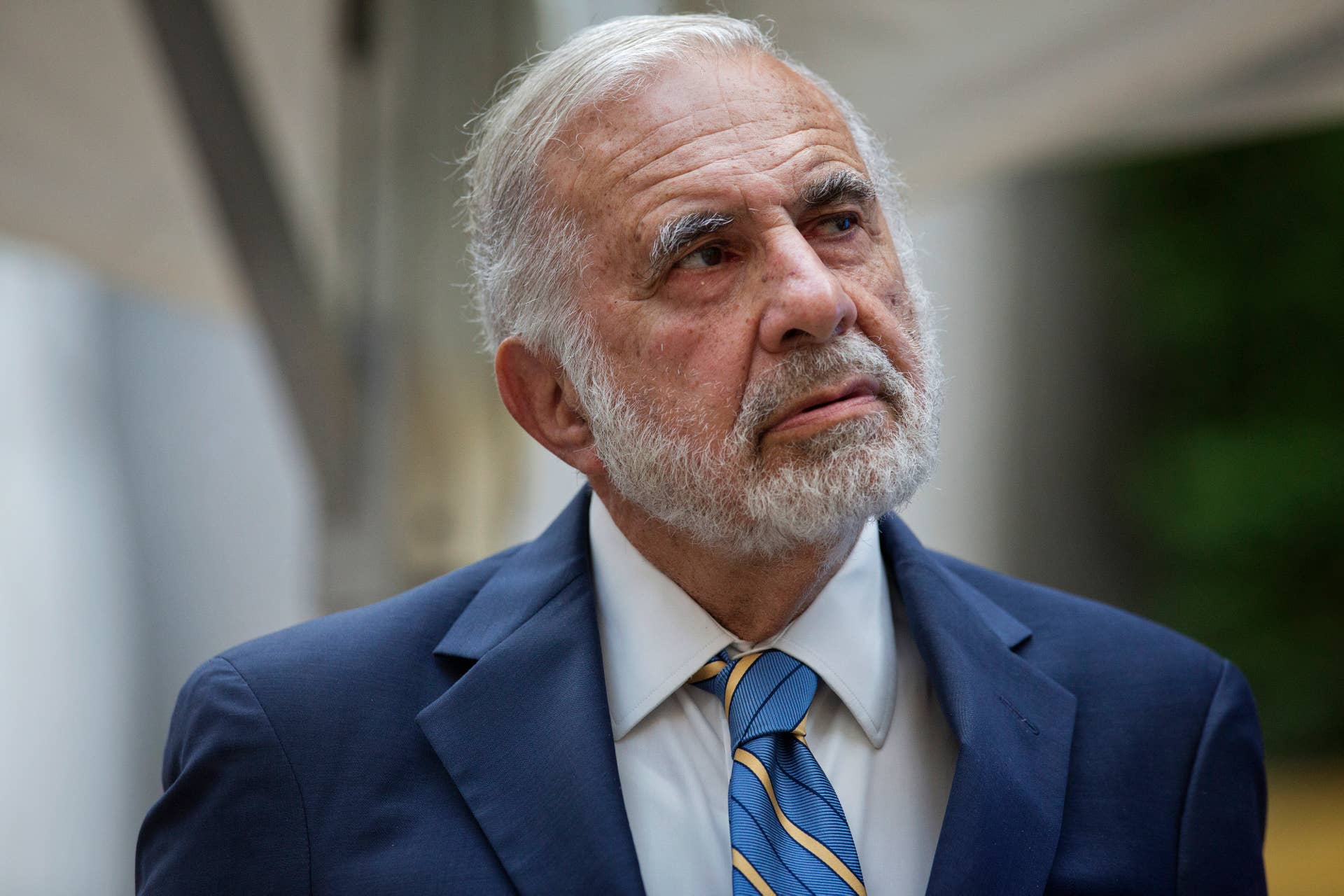
Carl Icahn sharply cut his JetBlue position, selling roughly 8.13 million shares for about $40.4 million between Aug. 17 and Aug. 20, regulatory filings show. The transactions reduced the Icahn Group’s interest to around 3.32%, or about 12.5 million shares, from over 10% when the activist investor initially revealed his position in 2024.
That’s more than some spring cleaning.
Icahn’s smaller stake fell below the amount needed to retain board presence at JetBlue. Jesse Lynn and Steven Miller, directors supported by Icahn, resigned both effective Aug. 24 after the group’s ownership fell below the appropriate level, the airline said in an Aug. 27 filing with the SEC.
It is interesting timing for investors. JetBlue is aiming to show that its JetForward turnaround will restore sustainable profitability after years of strategic missteps, excessive expenses, and a failed attempt to combine with Spirit Airlines.
Icahn isn’t necessarily suggesting turnaround is going to fail.
But he’s pouring a lot less money and influence into it.
Carl Icahn has cut most of his original JetBlue position
Icahn originally disclosed an almost 10% stake in JetBlue in February 2024, referring to the airline at the time as undervalued.
The investment finally gave his business a significant say in running the corporation. JetBlue agreed to appoint Lynn and Miller to its board as Icahn designees.
Icahn Group had around 33.6 million shares as of the period referenced in JetBlue’s 2026 proxy statement, making it the airline’s third biggest stakeholder behind BlackRock Financial Management and Vladimir and Angelica Galkin.
Icahn’s stake is now roughly 12.5 million shares after the recent transactions.
That implies the activist has cut his investment by around 21.1 million shares, or nearly 63%, from the 33.6 million-share stake revealed previously.
The Icahn Group also dropped under the 5% ownership barrier on Aug. 18. That’s important because stockholders holding more than 5% of a public firm are normally subject to extra SEC beneficial-ownership reporting requirements.
Below that barrier, investors may have less instant insight into any changes in Icahn’s JetBlue holdings.
In practice, the market is now looking at an activist investor who has drastically decreased both his economic exposure to and formal power over the airline.
JetBlue is trying to make its turnaround numbers work
The pullback comes as JetBlue paints investors a rosier financial picture.
The airline recorded operational revenue of $2.7 billion for the second quarter of 2026, up 14.5% year-over-year, driven by a 10.9% increase in revenue per available seat mile.
System capacity was up 3.2%.
JetBlue also said it recovered about 50% of increased fuel costs in the quarter, better than management had projected.
The gains were substantial enough for JetBlue to reinstate its full-year 2026 estimate and create a longer-term aim of at least $1 in profits per share in 2028.
More Airlines:
- Another airline cancels flights until August, offers some refunds
- Another airline will be dissolved, all flights canceled
- Airline shuts down, all flights grounded after accident
But the expense side of JetBlue’s financial statement still illustrates why the turnaround remains a tough one to pull off.
Related: JetBlue’s earnings beat hides $407 million warning
Second-quarter operating expense per available seat mile rose 17%. JetBlue’s average fuel price rose $1.83, or 76%, to $4.23 per gallon. Even without fuel and other items, unit costs rose 2.4%. That simplifies investor equations.
JetBlue is seeing greater revenue growth and demand, but it still has to translate those gains into consistently higher margins and profitability.
Icahn is giving up more than shares
What happened to Icahn’s board participation is one of the most illuminating elements of the narrative.
The company said Lynn and Miller resigned from the JetBlue board as of Aug. 24.
Lynn also resigned from the audit, governance and nominating, and finance committees, while Miller resigned from the audit and finance committees.
Neither departure included any issue with JetBlue about its operations, rules or procedures, the firm said.
The two directors were praised by JetBlue CEO Joanna Geraghty for their efforts as the airline grew and started implementing JetForward.
Icahn also struck a cordial tone. “We appreciate the constructive partnership with JetBlue over the years.”
JetBlue stated its board would have 11 directors, 10 of whom are independent, after their departures.
The phrase indicates a polite withdrawal, not a public conflict.
But for shareholders, the economic signal still outweighs the tone.
Activist investors often leverage their positions by holding enough shares to interest management and other shareholders in their next moves.
Icahn currently controls a far smaller piece of JetBlue than he did when he first bought into the company, and he has no representation sitting inside the boardroom.
The biggest question is whether Icahn sees better uses for his capital
There are a number of ways investors might take the sales.
Icahn may have just been shifting funds after owning JetBlue for more than two years.
He also could feel the turnaround at the airline has progressed far enough that board presence is no longer needed.
But there is one interpretation that is difficult for shareholders to shrug off. One of JetBlue’s most notable activist investors could consider the risk-reward equation as less compelling than it was in early 2024.
Although management pursues its JetForward strategy, JetBlue faces high operating costs, grounded aircraft, and fuel price pressure. The company wants $850 million to $950 million of incremental EBIT by 2027 and $1 per share of earnings in 2028.
The aims make the next several quarters essential.
JetBlue needs more than just improved demand.
It has to prove that increased income can surpass the expenses that have continually snaked their way back to sustainable profitability.
JetBlue now has to prove the turnaround without Icahn at the table
And it is the best part of the retreat of Icahn for the average investor.
His first investment in JetBlue sent an unspoken message: The airline was worth more than the market was giving it, and activist intervention might help unlock that value.
Now, two years later, JetBlue is still trying to get that reward.
The revenue is looking up. Management set a sound earnings objective for 2028. JetForward is making meaningful progress.
The investor, who formerly held about 10% of the firm, has cut his share to only 3.3% and given up his seats at the board table.
That’s not to say Icahn has lost trust in JetBlue.
But it does alter the burden of evidence.
The next chapter of JetBlue’s recovery will be assessed less on what an activist investor could push management to do and more on what the airline can actually achieve on the revenue, cost, and profitability fronts.
And with Icahn now holding roughly 63% fewer shares than his earlier 33.6 million-share position, his own capital is sending a message worth watching.