It seems like everything you buy these days has a hidden fee somewhere.
Whether it’s that DoorDash meal you ordered that cost $15 on the menu, but somehow costs $23 to deliver, or the airline taxes and fees that take a $130 ticket to $200, hidden fees always cause a bit of sticker shock.
But retailers are betting that after going through the rigamarole of choosing the product and then paying for it, the consumer is in too deep to not pull the trigger on the purchase. It’s much like how, after spending 10 minutes starving and salivating about the food on DoorDash, I’m willing to pay however much it takes to get the food to my door as fast as possible.
If that customer psychology works on small purchases, large purchases that take much more time to consider, and much more funding to complete, are even stickier.
For car buyers, those hidden fees have reached crisis levels, as carmakers have been forced to raise prices due to automotive tariffs, while not admitting it due to pressure from the White House.
President Donald Trump convened some of the country’s top automakers on a conference call in March 2025 and told them if they raised prices in response to the tariffs, they would “face punishment,” The Wall Street Journal reported.
While so-called “destination charges” (the cost of getting the vehicle from the shipping yard or factory floor to the dealer lot) have been rising for years, they recently reached crisis levels.
In 2026, what was once a fee of a couple of hundred dollars has ballooned to an average of $1,600 per vehicle.
Overall, car buyers spent more than $26 billion on destination charges in 2025, according to Edmunds, and The Wall Street Journal reported that much of that cost was due to tariffs.
“It’s a way to raise prices that is, shall we say, less transparent to the consumer,” John Morrill, a Massachusetts car dealer, told The Journal. “Carmakers have raised them a lot, certainly faster than they’ve raised prices.”
Ford F-150, the most popular pickup truck in America, saw destination charges add an average of $2,595 to the final price in 2025. In 2020, that number was $1,695.
Consumer Reports recently compiled a list of the cars with the most expensive destination charges and a list of cars with the least.
Surprisingly, every single one of the top 10 is made by an American car company (Alfa Romeo, the worst offender, is technically an Italian brand owned by Stellantis, a U.S.-based conglomerate).
What is Consumer Reports?
Founded in 1936 by a group of workers fired from a product-testing firm called Consumers’ Research, Consumer Reports is a multifaceted nonprofit organization that aims to educate consumers about products and help them make informed purchasing decisions.
It does this by purchasing and testing products directly, administering detailed surveys to its members about the products they own and use, and investigating the veracity of manufacturers’ claims.
Related: Porsche, BMW among most reliable luxury SUVs, Consumer Reports says
Consumer Reports at a glance
- Founded: 1936 (as Consumers Union by former employees of Consumers’ Research, fired after they attempted to unionize)
- Headquartered: Yonkers, NY
- Leadership: Marta Tellado, president and CEO
- Employees: Approx. 500 to 600
- Members: At least 6 million
- Mission statement: “Consumer Reports is an independent, nonprofit member organization that works side by side with consumers for truth, transparency, and fairness in the marketplace.”
Consumer Reports’ slogan, “Smarter choices for a better world,” captures the organization’s purpose. CR aims to educate and inform the public by providing objective information about popular products, helping consumers make “smarter choices” when purchasing major items.
For this list, Consumer Reports says the key takeaway is that “destination charges are now a major cost when buying a car. Be sure to look past the sticker price to understand average transaction prices in your area, destination charges, and taxes for budgeting.”
5 vehicles with the most expensive “destination charges” in 2026
Alfa Romeo

Models: Giulia, Stelvio, Tonale
Destination charge: $3,250
Cadillac
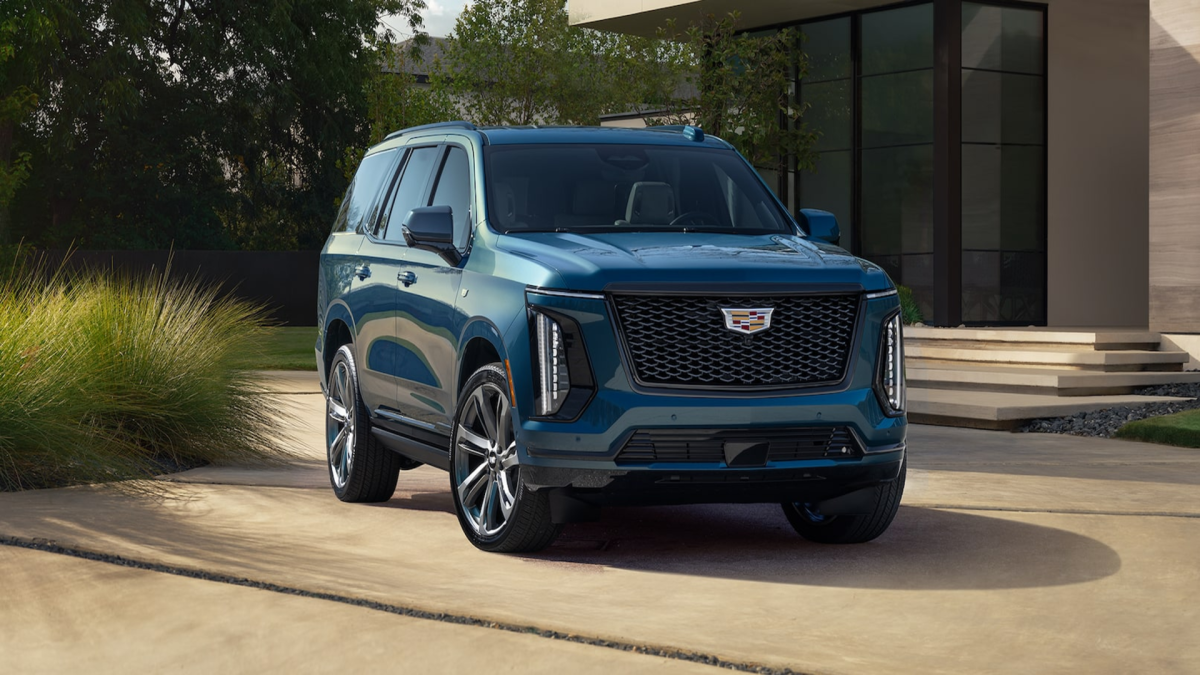
Models: Escalade, Escalade IQ
Destination charge: $2,895
Chevrolet
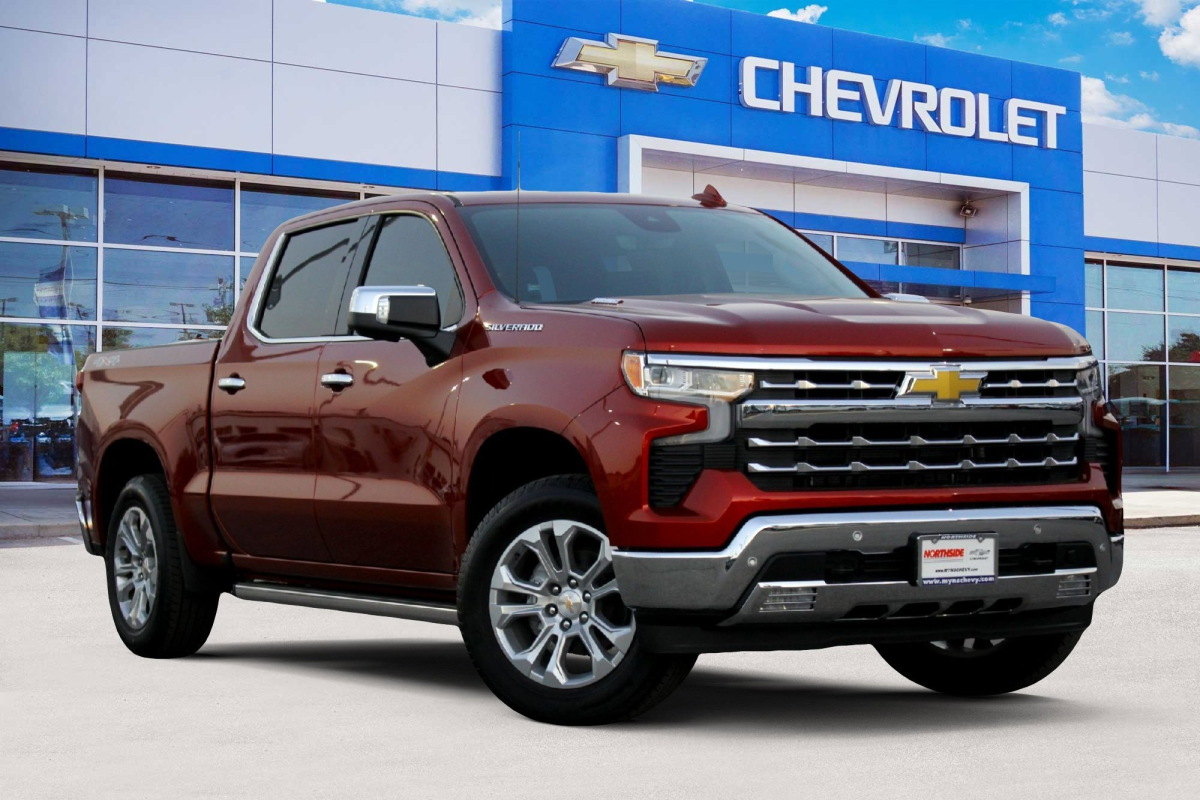
Models: Silverado 1500, Silverado 2500HD, 3500HD, Suburban, Tahoe
Destination charge: $2,795
GMC
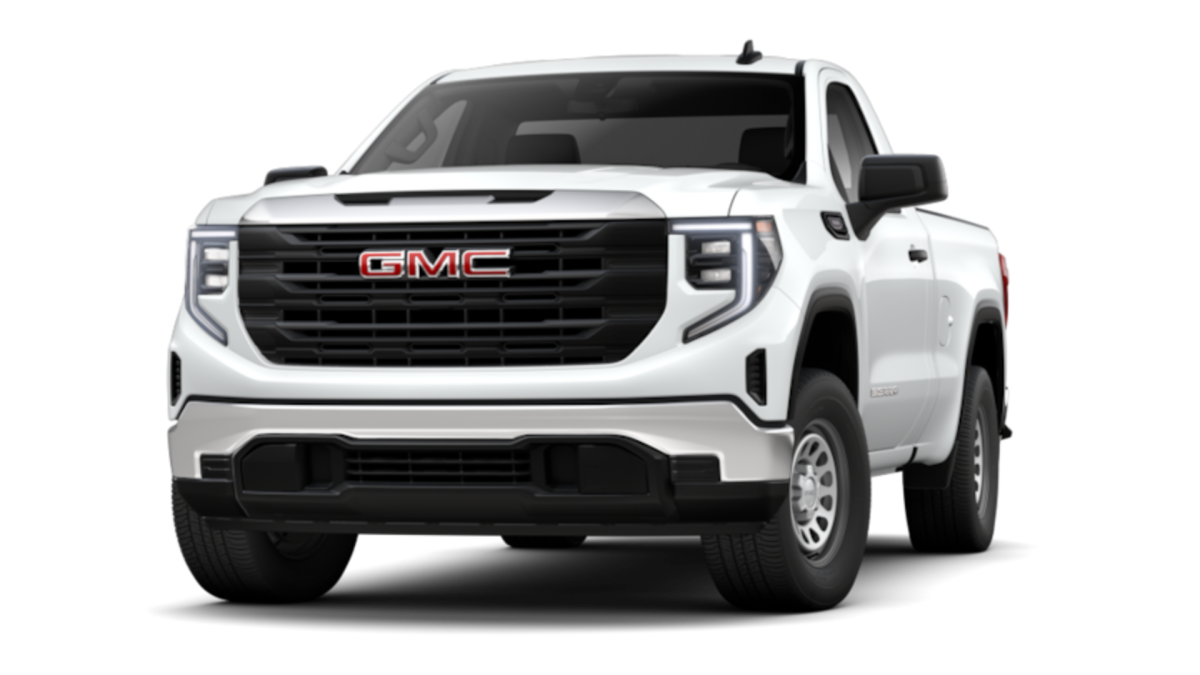
Models: Sierra 1500, 2500HD, 3500HD, Yukon, Yukon XL
Destination charge: $2,795
GMC

Model: Hummer EV
Destination charge: $2,695
Related: See 5 more SUVs Consumer Reports calls ‘most reliable’