If you are struggling to decide whether you can afford to buy a house, you’re not alone. Mortgage rates are still hovering around 6.5%, home prices are rising, and the median housing payment is at its highest point in a year.
So, how do you know whether you could afford mortgage payments if you bought right now?
My years of reporting on mortgages has taught me that the key is not just how much you can afford, but how much you can comfortably afford.
If you spend too much of your income on mortgage payments, you risk becoming house poor. Yes, you own a home, but you struggle to afford other necessities, and you don’t have much room left in your budget for fun.
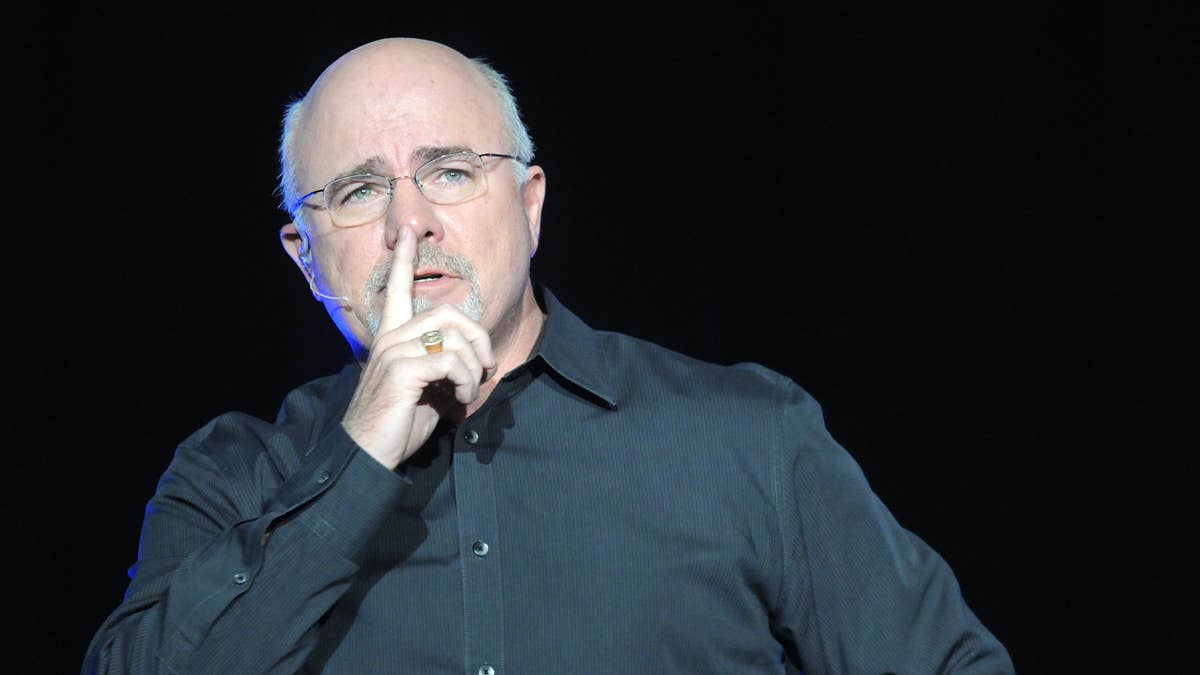
There are several popular ideas about the “right” amount of your salary to spend on your mortgage. Best-selling author and personal finance influencer Dave Ramsey is outspoken about what he considers the magic number.
However, financial services firm Fidelity Investments promotes a different approach — one that takes mortgage lenders’ qualifications for approval into consideration.
Dave Ramsey urges homebuyers to follow the 25% rule
Ramsey has long touted the importance of the “25% rule.” If you follow this rule, you spend 25% or less of your take-home pay on your housing payment.
The housing payment doesn’t just include the payment toward your mortgage principal. It also covers the loan interest, mortgage insurance, homeowners insurance, property taxes, and homeowners association (HOA) dues. It doesn’t apply to expenses such as utility bills or groceries, though.
“When you keep your house payment at or below 25% of your take-home pay, your home will be a blessing,” writes Rachel Cruze, who is a financial coach and Ramsey’s daughter. “Anything beyond 25%, and you risk not having enough margin in your budget every month — which could put your home into ‘burden’ territory.”
Related: Dave Ramsey sends message about mortgage payments
As I recently covered in an article about Ramsey, he considers “take-home pay” to be your salary after taxes.
Simply look at the gross amount on your paycheck, subtract the amount set aside for taxes, and that’s the take-home pay number to use for your calculations.
Let’s say your monthly take-home pay is $5,000. According to the 25% rule, your housing payment should be $1,250 or less.
Fidelity focuses on your DTI ratio
To help homebuyers determine how much house they can afford, Fidelity Investments promotes the debt-to-income ratio (DTI) method. Specifically, the company focuses on the back-end ratio, or the amount you owe on all debts, not just on your mortgage.
Dave Ramsey probably wouldn’t consider the back-end ratio important when calculating how much you can afford. He is starkly against people taking on any type of debt — with the exception of a 15-year mortgage loan.
Ideally, Fidelity says your back-end ratio would be 36% of your gross (pre-tax) income. Let’s say your gross monthly income is $6,000. Your housing payment and minimum payments toward debt, such as credit cards, your car, or your student loans should total $2,160 or less.
More on mortgages and home affordability:
- Zillow exposes hidden threat making homes unaffordable
- Redfin uncovers new problem for homebuyers
- Mortgage rate news lands Americans in strange situation
Fidelity notes that some mortgage lenders will accept a higher DTI ratio, especially if you apply for a certain type of loan or have an excellent credit score. But for your mortgage application to be accepted by most lenders, 36% is sort of the magic number.
Remember when I said to consider what you can comfortably afford? Fidelity has a few words on that, as well.
“If you’re in a field where larger salary growth is expected, then a home that feels like a stretch today could feel more manageable in a few years,” wrote Fidelity. “Conversely, if you expect more modest salary increases, you might choose a mortgage payment that you can comfortably afford at your current pay.”
How much of your salary should go toward mortgage payments?
As I mentioned, there are several theories regarding how much of your salary you should spend on your mortgage. There is no clear black-and-white answer, but here are some of the most popular. Find the one that makes the most sense for your household and level of financial comfort.
- The 25% rule. This is the idea discussed above: Spend 25% or less of your post-tax money on your monthly housing payment. Dave Ramsey didn’t invent the 25% rule, but he has helped make it popular.
- The 28/36 DTI ratio. Fidelity promotes the 36% back-end ratio. The other half of the DTI ratio equation for lenders is the 28% front-end ratio. This states that 28% or less of your gross (pre-tax) monthly income should go toward your mortgage payment. And remember, this applies to expenses such as insurance and HOA dues as well as to the mortgage principal.
- The 35/45 DTI rule. This rule states that your total monthly debt payments should total a maximum of 35% of your pre-tax income or 45% of your post-tax income.
- Compare the house value to your income. Fidelity also mentions this as a valid way to determine what you can afford. “For most people and families, the total house value should generally be no more than 3 to 5 times their total annual household income,” the company writes.
Related: Zillow exposes hidden threat making homes unaffordable