2026 is shaping up to be a big year for sports.
From the Winter Olympics to the North American-hosted World Cup, these first six months have had some playbook-defining moments.
And it’s not just the professionals who are having all the fun. A recent report from the Sports and Fitness Industry Association, cited by Time magazine, found that 80% of Americans are physically active, engaging in activities like weekly pickleball games or regular pilates classes.
Dick’s Sporting Goods is certainly benefiting from this sports mania — the company reported a 6% increase in comparable store sales year-over-year at the close of the first quarter.
“Sport is one of the hottest categories in the country today, and DICK’S is leading from the front,” Dick’s Executive Chairman Ed Stack said in a statement.
Still, despite the company’s success, its CEO Lauren Hobart is urging caution, warning that broader economic pressures could lead to a major shift in consumer spending habits.
Dick’s Sporting Goods sees no signs of consumer pullback
At the close of the first quarter of its 2026 fiscal year, Dick’s Sporting Goods reported $5.16 billion in total sales.
That growth was largely driven by an increase in ticket size (up by 5.5%) and transactions (up by 0.5%), with categories like footwear, apparel, and hardlines doing most of the heavy lifting.
“We saw more athletes purchase from us with more frequent purchases, and they spent more each trip compared to the prior year,” Hobart told investors during the company’s Q1 FY2026 earnings call.
“One thing that remains notable is the consistency in athlete behavior,” she said. “We continue to see a healthy consumer across income demographics with no signs of trading down, alongside particularly strong engagement from our younger athletes.”
With those above-average results and encouraging consumer patterns, you’d think Hobart would have a positive outlook for the rest of the year. And while she’s not batting down the hatches (Dick’s raised its low-end guidance) she is urging caution.
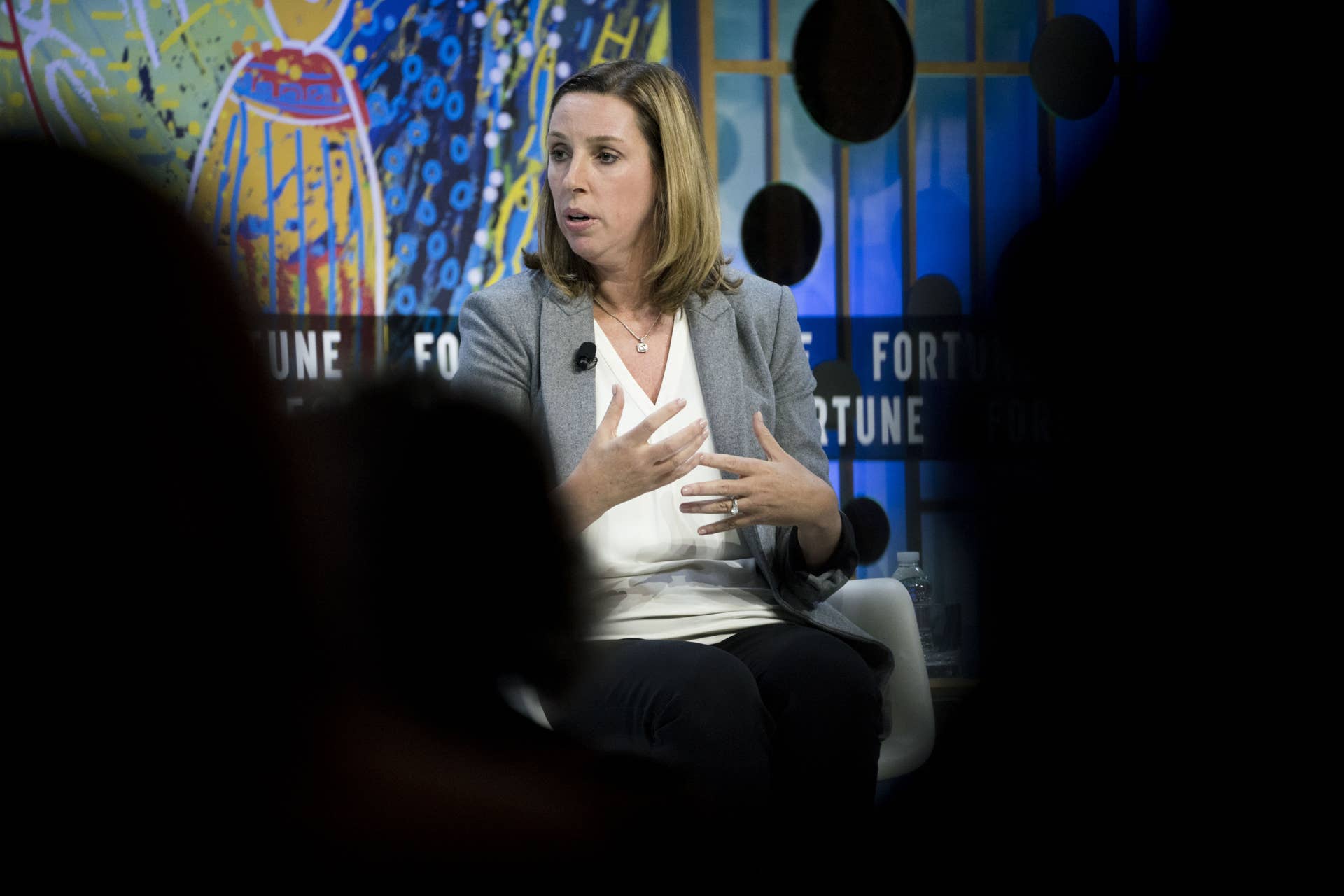
Getty Images
Why Dick’s CEO is worried
When asked by investors about the remainder of 2026, Hobart said this:
“As we’ve looked at the guidance, the macro, we’ve balanced all of the confidence that we have in our business and the momentum that I talked about in my first answer with some caution, appropriate level of caution about the macroeconomic environment, geopolitical environment.”
Her answer highlights a strange dichotomy many retailers find themselves in.
While shoppers are still willing to open their wallets for necessary or innovative products, external pressures like rising gas prices and inflation leave many wary that the pattern will hold.
It’s a concern that’s not unique to Dick’s, either.
Marianne Lake, CEO of JPMorgan Chase’s consumer and community banking division, also shared a recent warning that consumers are becoming less financially resilient.
“You’re not seeing anything right now, but you are being very, very watchful,” she said at the recent Morgan Stanley U.S. Financials Conference according to Reuters. “If inflation were to be higher for longer, this sort of trend of wages keeping up with inflation could be at some risk.”
More CEO commentary:
- Dollar General CEO exposes bitter reality about today’s economy
- Williams Sonoma CEO cuts to the chase on economy, customer behavior
- Best Buy CEO drops major consumer warning on her way out
Goldman Sachs CEO David Solomon shares a similar feeling.
At an event in early June, he said he expects to see shifts in consumer behavior over the second half of 2026 if inflation continues, fueled by higher gas prices.
“You’re going to see more shifts in consumer behavior,” Solomon said according to Reuters. “You can see some economic data in the next six months that shifts the sentiment. But for the moment, that’s not coming through.”
Taken together, these three opinions paint the picture of a consumer who’s more vulnerable than their current output may suggest.
While real dollar spending is still hitting all-time highs, jumping by 0.5% in April according to the Bureau of Economic Analysis, the reality is that many Americans are feeling more pinched than ever.
While spending remains strong today, executives increasingly appear concerned that the trend may become harder to sustain.
Spending remains robust today, but between climbing gas prices and shifting sentiment, retail executives are clearly seeing the writing on the wall. The question is how long consumers can ignore it.
Related: Kohl’s CEO triggers major price cuts ahead of summer shopping season