Every major product seemingly has people who consider that item their personal favorite.
My grandfather, for example, drank Moxie, a very strong soda flavor that was a New England staple. There are others who have devoted a portion of their lives to asking Coca-Cola to bring back TaB, a precursor to Diet Coke with a strong, metallic flavor that
That group, which garnered over 10,000 signatures on a petition on behalf of the brand, which was discontinued in 2020, 57 years after it launched.
Losing a beloved soda, or even one you liked and just assumed would always be there when you want it, hurts.
“Companies delete brands for a variety of reasons, and consumers have historically protested those decisions, especially if they loved the brand,” Shah said.
Purvi Shah, associate professor of marketing in The Business School at Worcester Polytechnic Institute (WPI) researched a social media advocacy group that actually pushed Coca-Cola to bring back Surge soda.
“Shah and her collaborators surveyed members of this Facebook fan group and found that by deleting Surge, the soda’s maker left fans feeling that they had lost the freedom to buy and drink their cherished soda. The deletion triggered nostalgic brand love and led to psychological reactance, which is a way of thinking and behaving when a person perceives a threat to their freedom,” she shared in a research paper.
Nostalgic brand love is a powerful tool, and Walmart and Pepsico’s Mountain Dew are leveraging it to get consumers to buy a new soda variety pack.
Companies understand nostalgic brand love
Shah said the findings could help brand managers better understand what drives customers to protest brand deletion. This will help companies make informed decisions about bringing back a deleted brand so that it not only delights the nostalgic consumer and fan base but also enhances revenues and profits of the revived brand.
“In a connected digital world, one consumer can harm a company’s reputation with a message, tweet, or post,” Shah said. “It is critical for brand managers to understand what motivates consumer activism so that they can better manage the deletion of brands and mitigate any potential backlash that might occur.”
More Walmart:
- Walmart’s new partner brings iconic brand to the retail giant
- Walmart makes a change to be more like Costco
- Amazon and Walmart can’t stop a $12 billion theft problem
In recent years, you can argue that some brands have been removed from shelves so they can make a triumphant return. That model makes sense for a product that has a following, but isn’t a steady seller.
Wendy’s, for example, brings back is Strawberry Salad every summer and consumers see it as a refreshing hot weather option, but it may not sell well enough to be a year-round menu item.
Walmart brings back a classic Mountain Dew flavor in a clever way
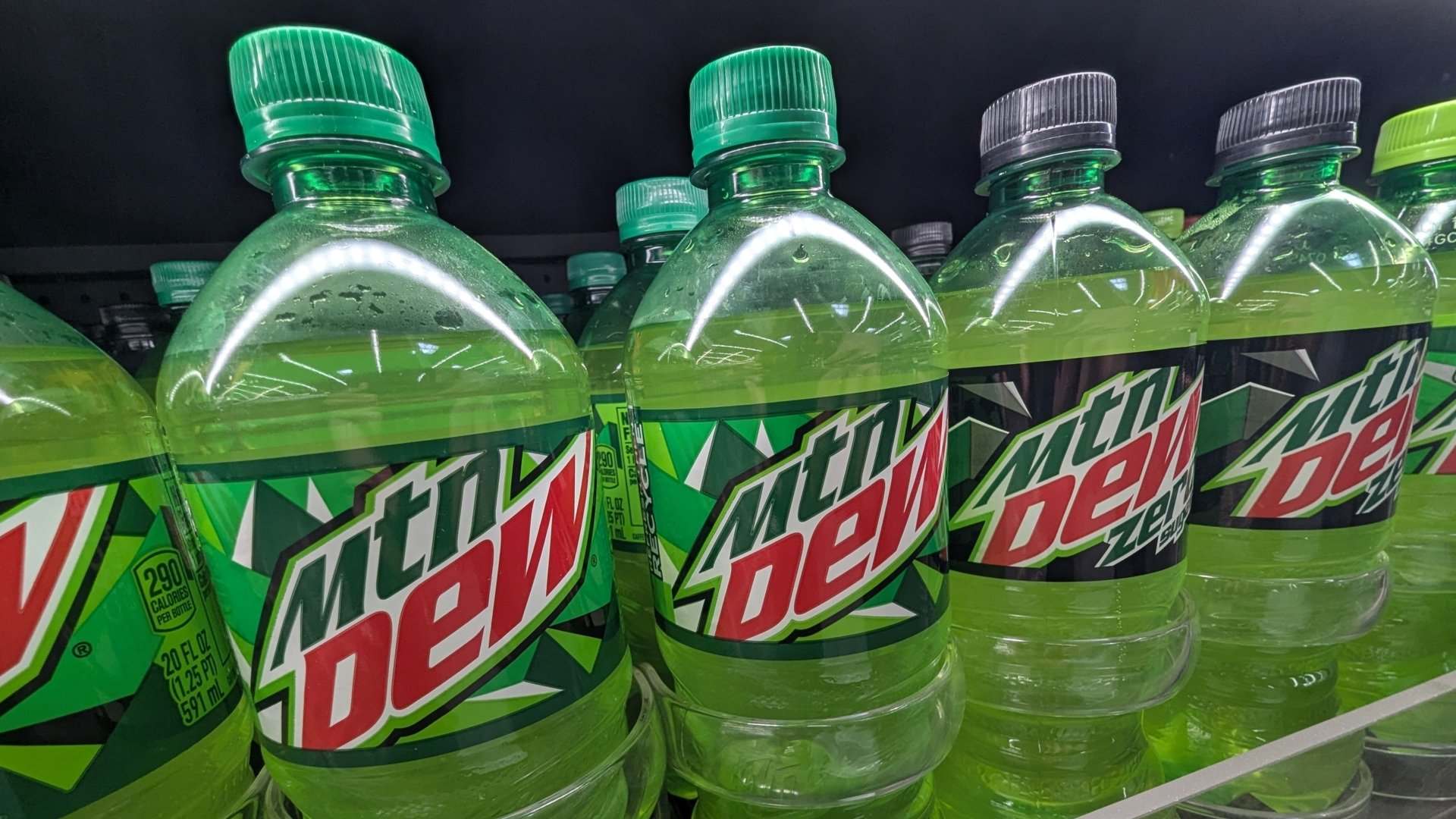
Mountain Dew has begun to take pre-orders on what it’s calling the “America Pack.” That’s 18 cans of Mountain Dew, six Code Red, six Voltage Raspberry, and six of a long-discontinued fan favorite.
“Mountain Dew White Out is back for a limited time in the Americana takeover pack,” the retailer shared on its website.
The release is part of a broader wave of limited-time beverage bundles as retailers lean into scarcity-driven promotions ahead of seasonal demand shifts.
Retailers have increasingly leaned on exclusive bundles and limited-time beverage rotations to drive foot traffic and boost basket size in a category where brand switching is highly responsive to novelty.
Beverage LTOs tend to outperform standard releases because shoppers are more likely to try new flavors when they are framed as temporary or store-exclusive.
What is Mountain Dew White Out?
White Out is a Smooth Citrus (Yuzu Lemongrass)[ flavor of Mountain Dew, that is, as its name implies, white in color.
“After winning the DEWmocracy II promotional vote, White Out remained a part of the Mountain Dew lineup for most of the 2010s. While it was partially discontinued as of 2020, some regional producers seemingly continued to bottle White Out up until 2023. However, the flavor was apparently discontinued permanently after that, and remains gone as of this writing,” Tasting Table reported.
Walmart is being clever with this release because it not only holds an exclusive on the returning flavor, but it’s only selling it in the variety pack. That means fans will have to buy the full 18-can pack in order to get access to Mountain Dew Whiteout.
Shutterstock
Mountain Dew is a driver for PepsiCo
New soda flavors happen regularly, driving interest in brands people might otherwise tire of. PepsiCo sees an opportunity in growing the Mountain Dew portfolio.
“We have opportunities with Mountain Dew that we have highlighted for quite some time,” CEO Ramon Laguarta shared during the chain’s first-quarter earnings call.
PepsiCo has repeatedly emphasized innovation and flavor rotation within the Mountain Dew portfolio as a core growth strategy, particularly through limited-run and regional variants.
“Now, some of the innovations that we’ve put on the market in the early innings, but both the Dirty Mountain Dew and Baja and Cabo, different flavors on the Mountain Dew are starting to grow the brand, which is very encouraging for us,” he added.
Coca-Cola Foodservice Innovation Vice President Megan Tallman believes that LTO sodas drive bigger checks.
“Consumers who purchase an LTO are spending more. On average, they’re spending $3 more per trip,” Tallman told Restaurant Dive.
She noted that younger consumers want more of a non-alcoholic mixology experience.
“Mixology is really important with the Gen Z consumer,” Tallman said. “They want customization, how they want it and when they want it.”
Related: Family dining chain survives bankruptcy, closed 750 locations