The Walt Disney Company is pulling back from another part of its business, marking a significant change for customers in several markets.
The move follows years of changes to Disney’s retail footprint, including the closure of hundreds of physical stores and a greater emphasis on other ways of selling its merchandise.
Now, another piece of that strategy is coming to an end, although Disney has not explained why it is making the latest change.
In 1996, Disney launched the Disney Store website, marking the official entry of The Walt Disney Company into e-commerce.
Disney is closing its online Disney Store
The Walt Disney Company (DIS) is shutting down its Disney Store websites serving Australia, New Zealand, Singapore, and Malaysia.
Customers in those markets will have until Sept. 30, 2026, to place orders. The affected websites will then cease operations at the end of the day, with the Australia and New Zealand storefront officially closing on Oct. 1 local time.
Disney Store Australia and New Zealand are served through DisneyStore.com.au, while customers in Singapore and Malaysia use DisneyStore.asia.
Disney has notified customers that orders placed by the Sept. 30 deadline will continue to be fulfilled. Sold-out products are not expected to be restocked before the closure, while existing return windows and product support policies will continue to be honored after the websites shut down.
The company alerted customers through an “Important Update” message on the affected Disney Store websites.
Although the online storefronts are closing, Disney merchandise will remain available through authorized retailers in Australia, New Zealand, Singapore, and Malaysia. The company has also confirmed that the closure does not affect its Disney Store websites in other markets, including the U.S., U.K., Japan, China, South Korea, the Philippines, and the Middle East.
Disney has not publicly provided a specific reason for ending online Disney Store operations in these four markets.
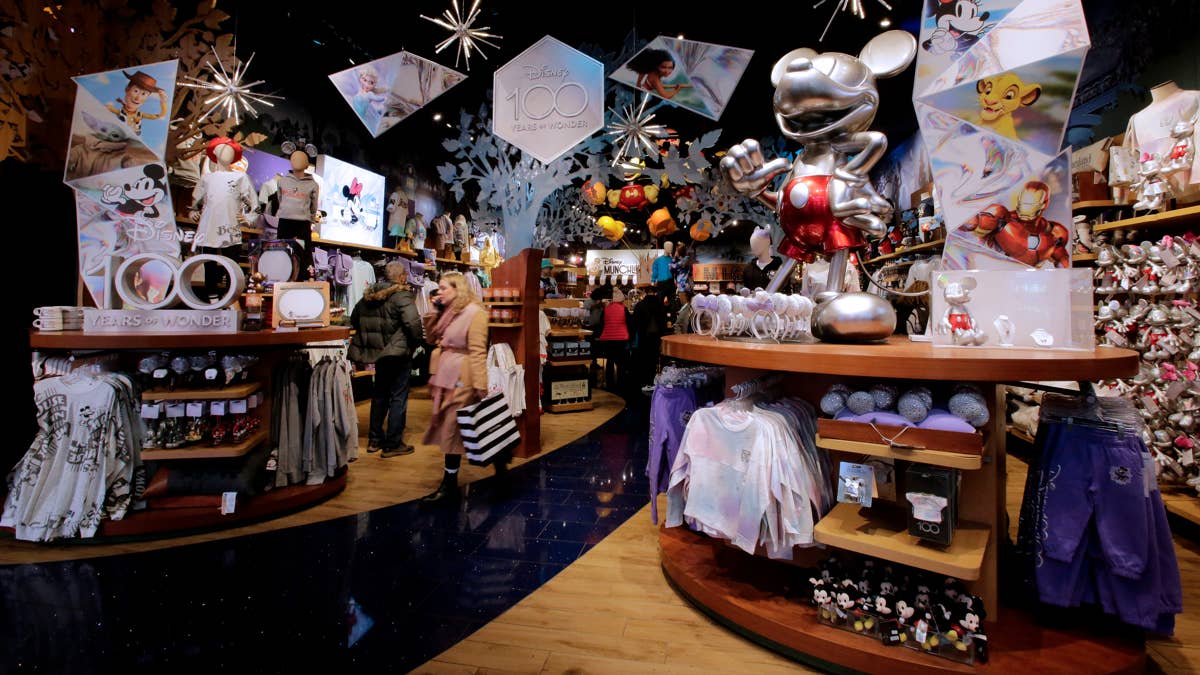
Disney has reduced its Disney Store physical retail footprint
The online shutdown comes after years of reductions to Disney’s brick-and-mortar retail presence.
In 2021, Disney shared plans to close at least 60 Disney Store locations in the U.S. and Canada as it shifted its focus more toward e-commerce. The company ultimately shuttered dozens of North American locations as part of the broader restructuring of its retail business.
Here’s some of my previous coverage of store closures:
- Popular women’s retailer closes 38 stores worldwide
- 102-year-old fashion, lifestyle retailer confirms 180 more closures
- Hip fashion retailer closes more stores in 2026
The closures also extended into international markets.
Disney continued reducing its physical retail presence in subsequent years, including the closure of Disney Store locations at Walt Disney World and the company’s last remaining European retail operations in early 2026.
The Disney Store footprint today is considerably smaller than it was several years ago, with the company’s remaining 23 retail locations concentrated in select markets and Disney parks, according to the Disney Store locator.
Why Disney is closing physical and online stores
Disney has not said that declining merchandise demand is the reason for the latest online closures. In fact, the company’s merchandise business has continued to grow.
In the third-quarter fiscal 2026 earnings report, Disney said revenue from merchandise licensing and retail increased 8% to nearly $1.06 billion. The company attributed the increase primarily to a 10% rise in merchandise licensing revenue, partially offset by a 2% decline in merchandise retail revenue.
That distinction is important because the latest Disney Store shutdowns do not necessarily indicate a decline in demand for Disney merchandise. Instead, the closures are another example of Disney adjusting how and where it sells its merchandise.
For shoppers in Australia, New Zealand, Singapore, and Malaysia, however, the change means the end of a direct online shopping option from Disney.
Disney has not disclosed whether the decision is tied to profitability, operating costs, logistics, local market conditions, or another factor.
For now, the company has only confirmed the closure and directed customers toward authorized retailers for future purchases.