TheStreet aims to feature only the best products and services. If you buy something via one of our links, we may earn a commission.
Emergency situations, whether that be a fire, flood, power outage, or another natural disaster, are a part of life, but unfortunately, they don’t come with a warning. Because these unexpected, critical life events can create situations of chaos and concern, it can seem overwhelming coming face-to-face with one in realtime, and although you can’t exactly plan for the unexpected, you can be prepared. Having a “Go Bag” prepped with items that can keep you safe in times of stress, as well as a planning for different types of emergencies, can make all the difference in protecting yourself (and your home) from damage, reducing stress and strife when times of panic occur, and even save your life. Pre-planning helps you stay calm, make quick decisions, and in extreme situations, recover faster. Although you may sometimes get a few days notice in situations where bad weather is coming your way, other emergency situations happen in an instant, so it’s best to always be prepared no matter what.
In some situations, it doesn’t matter what you have on hand. The best move for you and your family is to get up, out, and away from danger. For instance, a Villanova, Pennsylvania family whose home caught on fire and quickly went up into flames was able to safely get out because of a fire plan they had prepared ahead of time. Firefighters credited the family emergency plan for their safe escape. “Make sure you have an escape plan from the house [and] make sure you know where to meet outside so you can account for everybody,” said Joseph McGuire, the Fire Chief of Radnor Fire Company.
And the same goes for a major flooding situation. When floodwaters rapidly enter your home, your first priority should be getting to higher ground. If it is safe and water hasn’t reached the electrical outlets, you should shut off your main breaker box and disconnect electrical appliances, but what’s most important is avoiding flooded areas, since they can easily conceal electrified debris and sewage. In some major cases, like with hurricanes and tropical storms, flooding can be so bad that you may have to get access to the roof. In those rare but occasional cases, your first priority is evacuating then if you weren’t able to get out before the storm, and then calling 911, texting 911, or reaching out to 1-800-RED-CROSS or FEMA at 1-800-612-3362. With this in mind, we’re not trying to stir up panic or get you overwhelmed, but emergencies don’t give you a lot of time to figure things out in the moment, so it’s best to plan ahead of time and have this information in the back of your head in case of a scary situation.
Most emergency situations that you’ll deal with have to do with power outages during extreme weather conditions. Snow storms, blizzards, heavy rain, and other volatile weather can keep you confined to your home and often leave you with no power — meaning you could be without heat or air, running water, electricity, and light. In these situations, Ready.gov recommends making a “Go Bag” with durable goods and essential items so that you have a one-stop place with everything you need in an emergency situation. It can seem a bit “doomsday” to prep like this, but when you’re out of power and dealing with a dire situation, you’ll be glad you planned ahead and packed efficiently so that you’re not too inconvenienced by the situation and so that you can stay safe even when it feels like your surroundings are anything but. You can buy pre-assembled emergency kits, but by DIY-ing your own, you can eliminate cheap filler items, saving you more money and space in the long run, and you can customize it better to your needs and tastes. When you build your own, you are in control of the quality of your gear and have a better familiarity of what’s inside when it’s time to use it.
Backpacks and storage bins
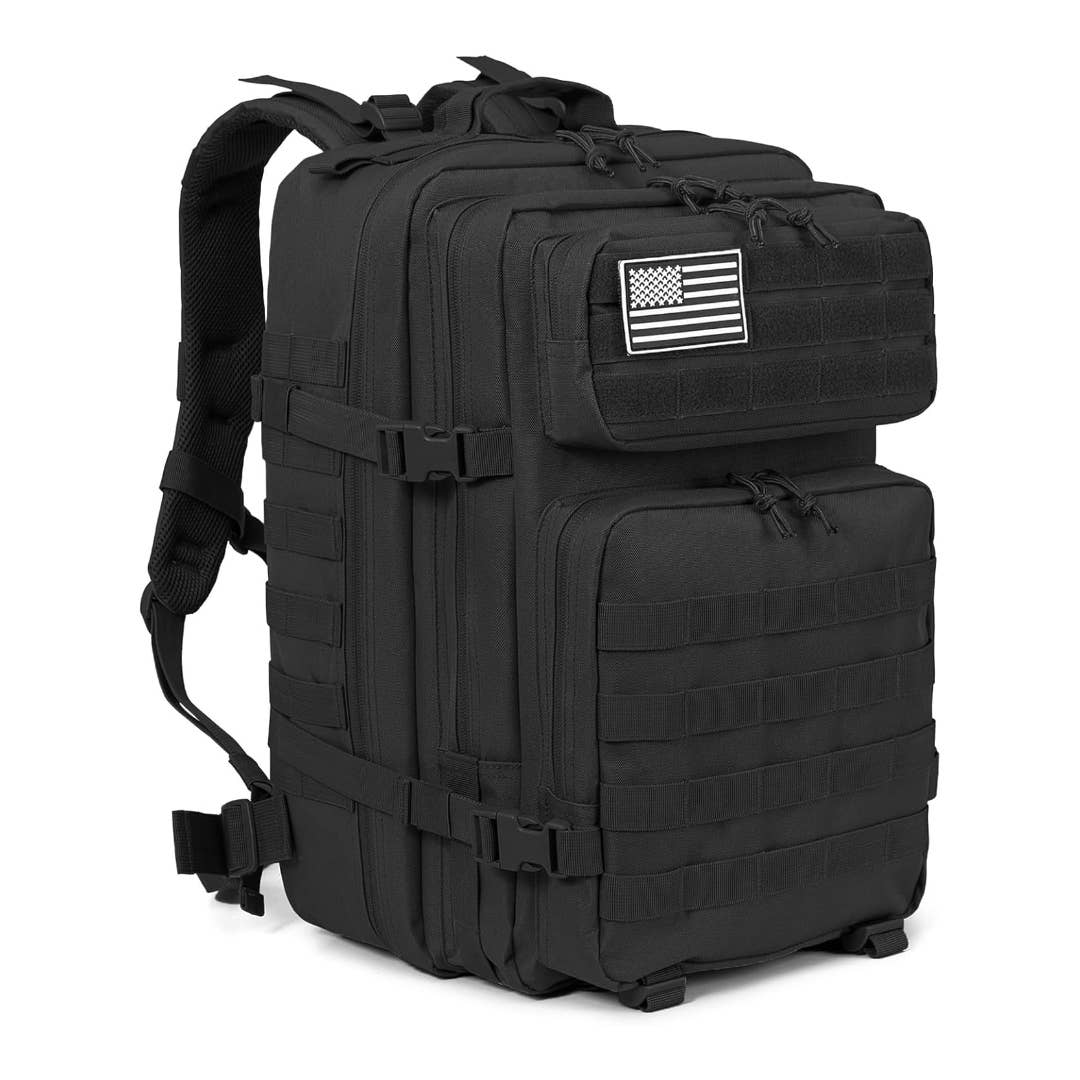
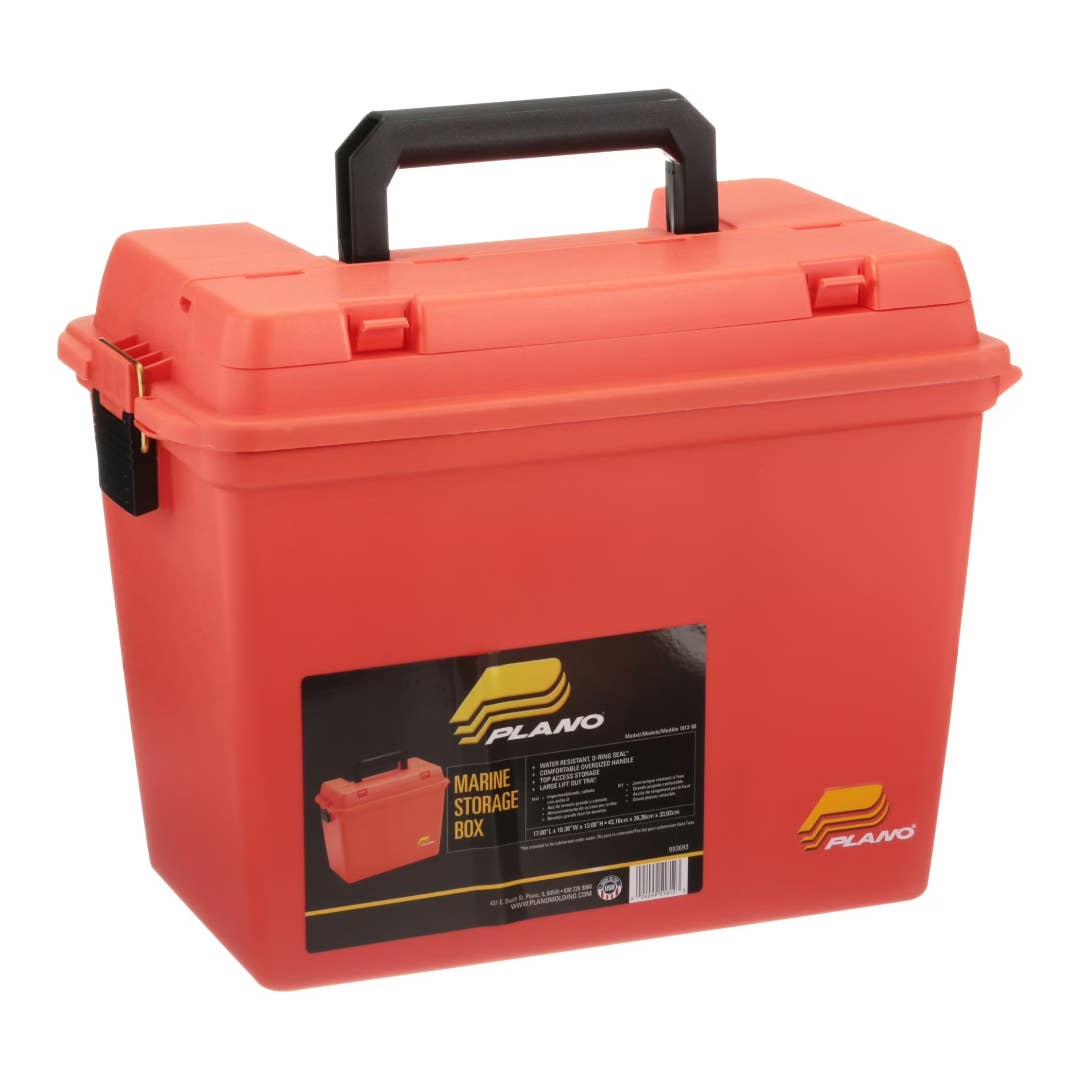
Your essentials do nothing if they are in disarray and disorganized. A high-quality backpack or storage bin gives you a one-stop place to put all your emergency items with the reassurance that they’re protected by the heavy-duty materials that they’re constructed out of. Backpacks in particular are great because they are portable, so you can move them with ease or take them on the go if you’re changing locations, and they’re great for hands-free navigation if you need to carry something else at the same time. Storage bins are great for shelter-in-place situations and can hold bulkier items like gallons of water or non-perishable foods. They also have airtight lids that keep moisture, pests, and light from damaging your supplies over time. Both backpacks and storage bins offer protection and organization, two characteristics that can’t be emphasized enough in emergency situations.
QT&QY Military Tactical Backpack
Plano Extra Large Emergency Supply Box
Sleeping bags and warming blankets
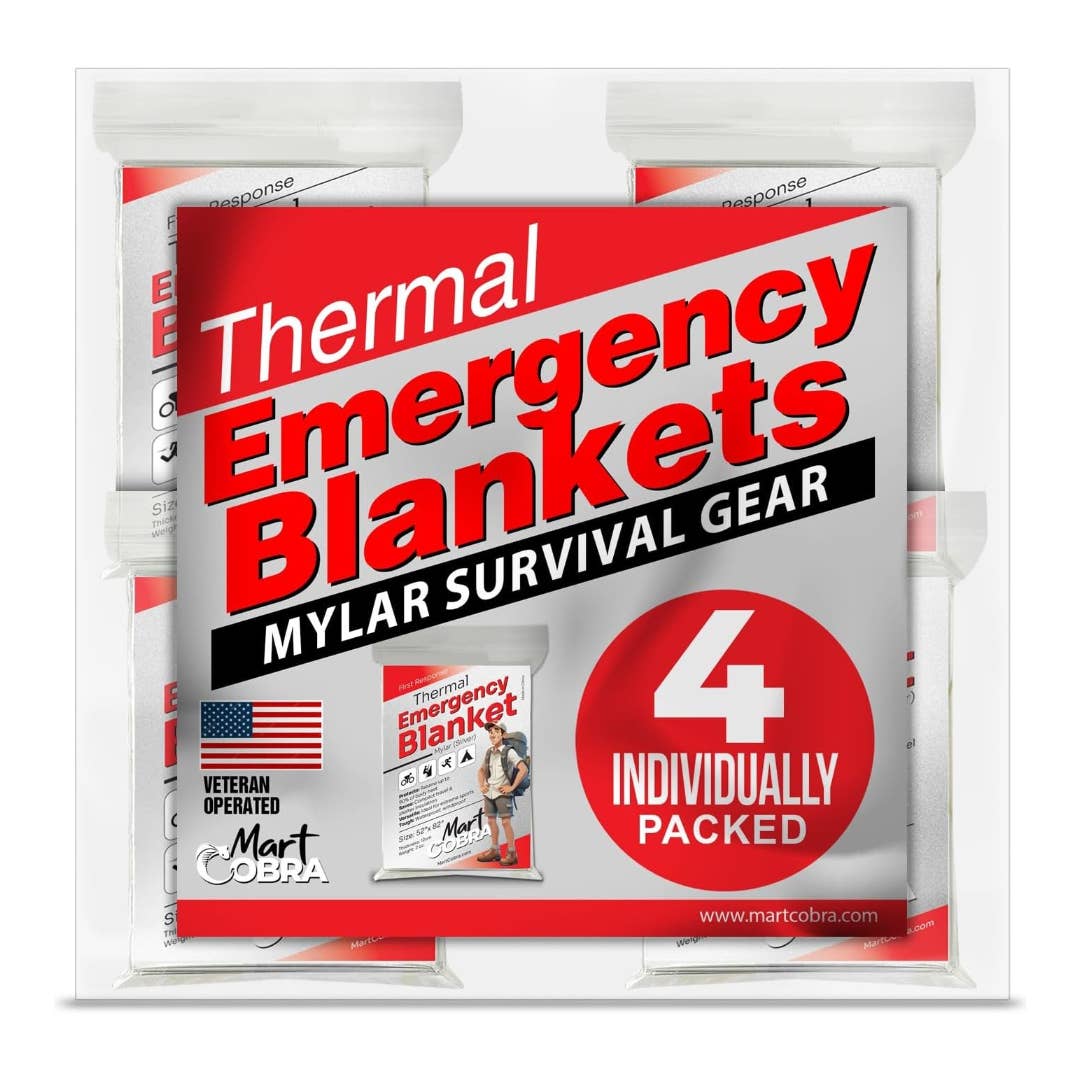
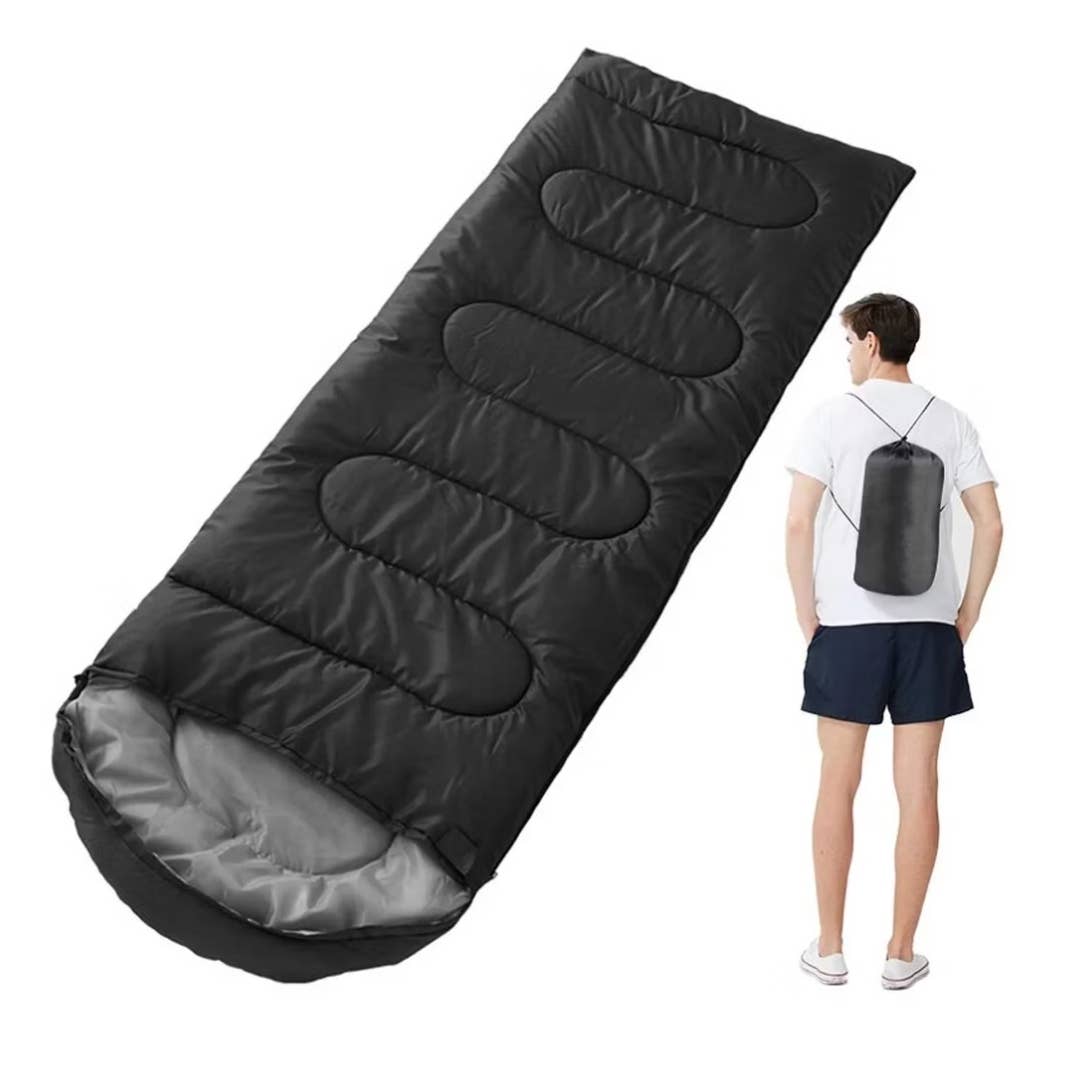
Because emergency situations can displace you, even in your own home, sleeping bags and warming blankets are great for creating sleep spaces and for keeping you warm when power outages cause the temperature to drop dramatically. During a winter outage, your home can stay reasonably warm for about eight to 12 hours, but even then, you can start to feel a chill sooner. Sleeping bags are very effective at trapping heat and keeping it contained, and they are a great buffering layer, in addition to being comfortable to lie or sit on, between you and the floor, helping keep you warmer over time. Warming blankets are lightweight, very easy to store, and reflect 90% of your body heat back onto you. They’re very effective at preventing hypothermia. Other things to consider when trying to stay warm is that it’s best to stay in one room, closing the door to trap body heat in one place. Stuffing rolled-up towels or blankets into gaps under the doors and windows can help block drafts, and covering windows also helps reduce cold air leaks.
Mart Cobra Emergency Blanket (4-Pack)
Swtroom Sleeping Bag
Flashlights
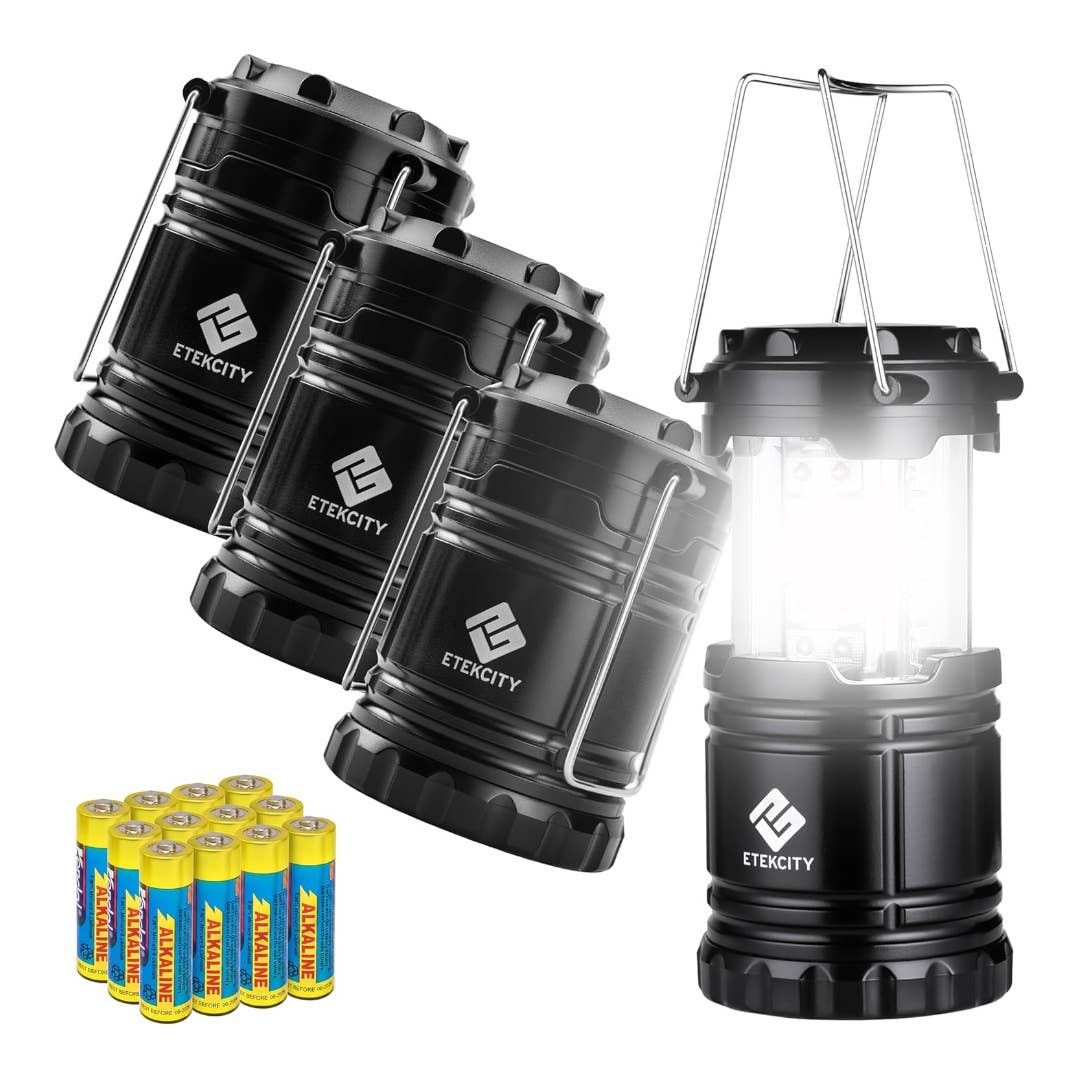
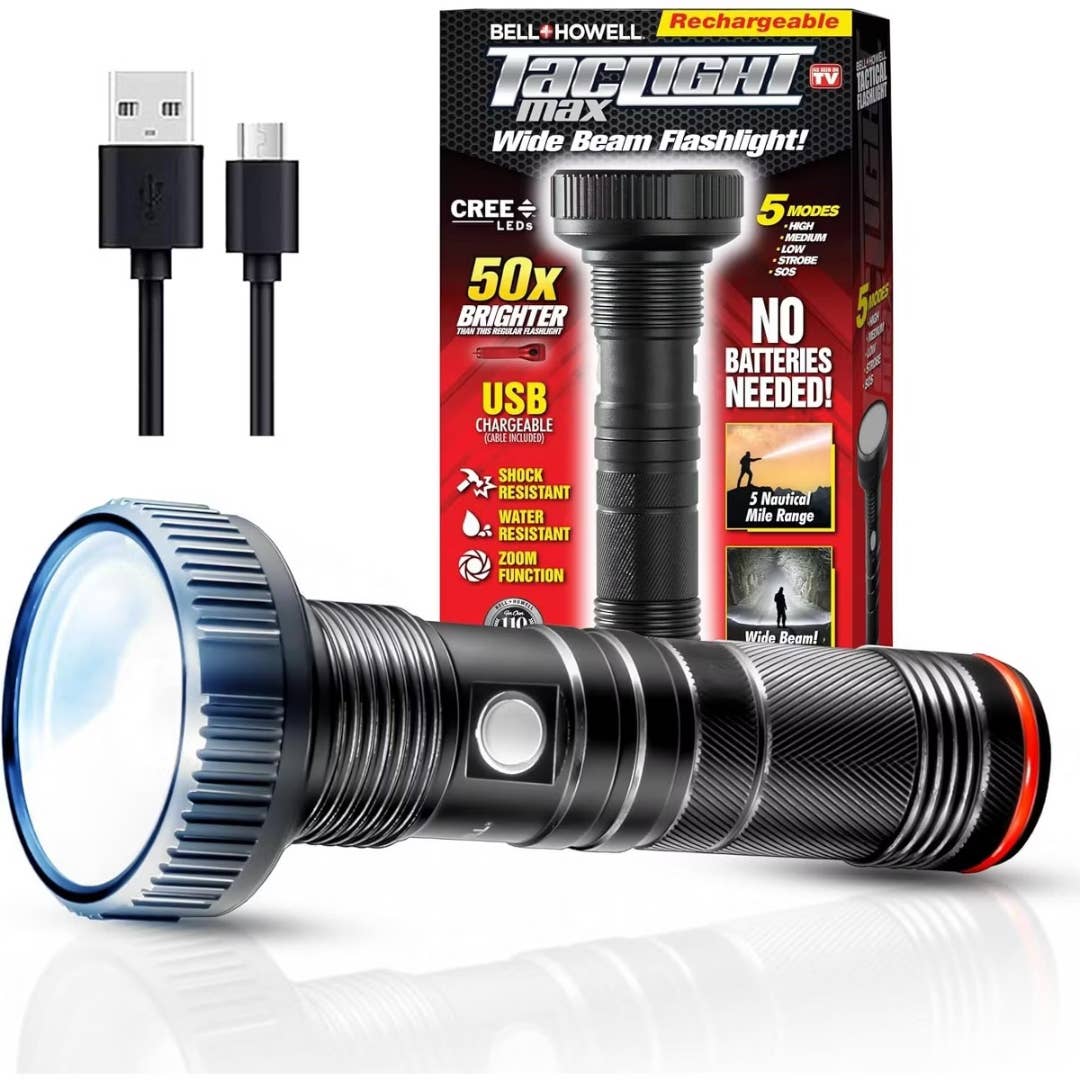
A lack of light doesn’t really cause much concern during the day when outside light can provide more than enough illumination to navigate your home, but at night, it can feel a bit creepy. Not only are they essential for safety purposes since they can help you navigate your home when it’s really dark, but unlike candles or oil lamps, flashlights and lanterns aren’t a fire hazard, so you can keep them going as long as you’d like. LED flashlights and lanterns produce almost no heat and without an open flame, so they are far safer for children and pets to be around. Flashlights are best for mobility purposes, but lanterns are easier for hands-free activities. What’s great about both types these days is that they are often rechargeable, either directly or with rechargeable batteries, and some lanterns even serve as a power bank for charging phones and other devices.
Etekcity Camping Lanterns (4-Pack)
Bell + Howell Taclight Max Rechargeable Flashlight
First aid kits
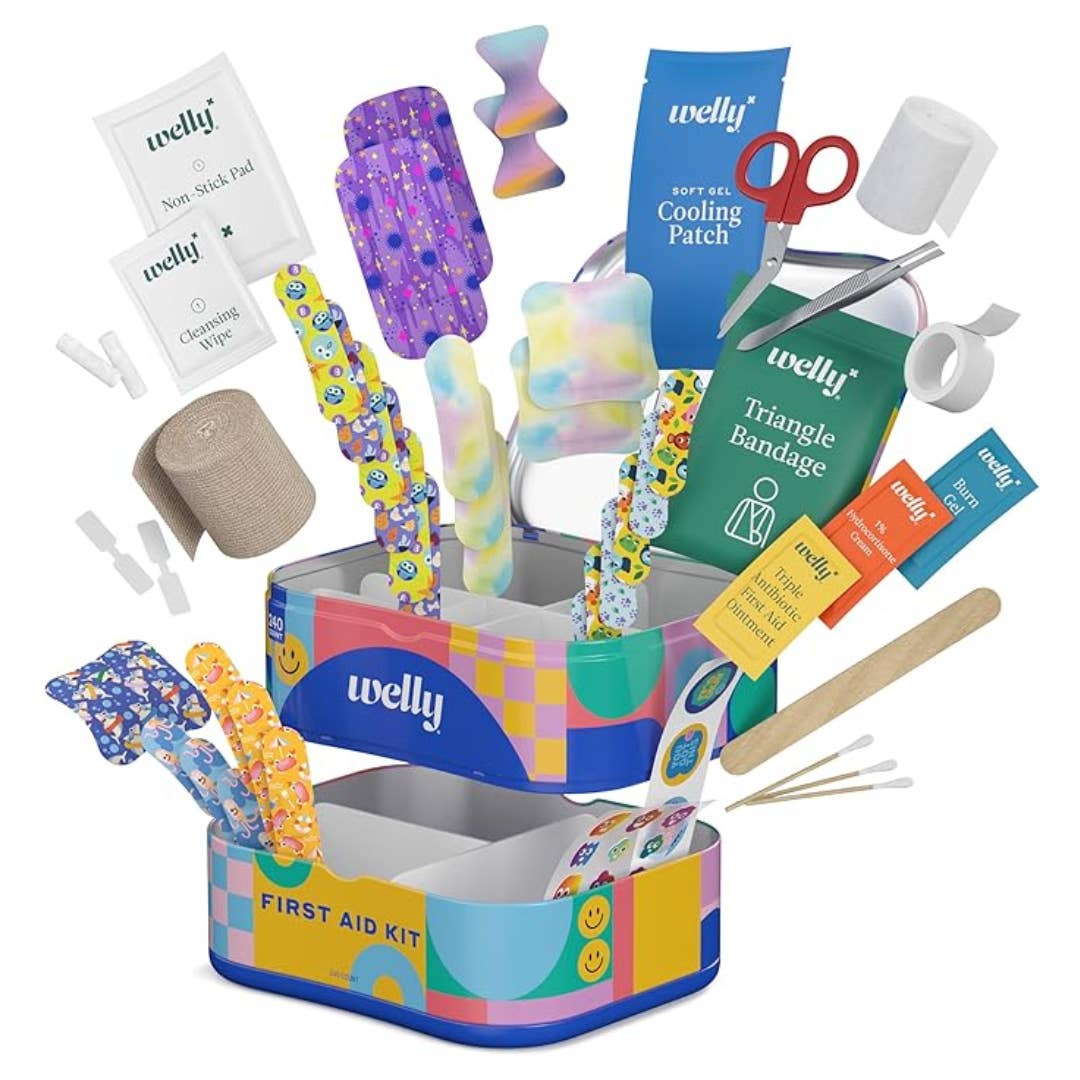
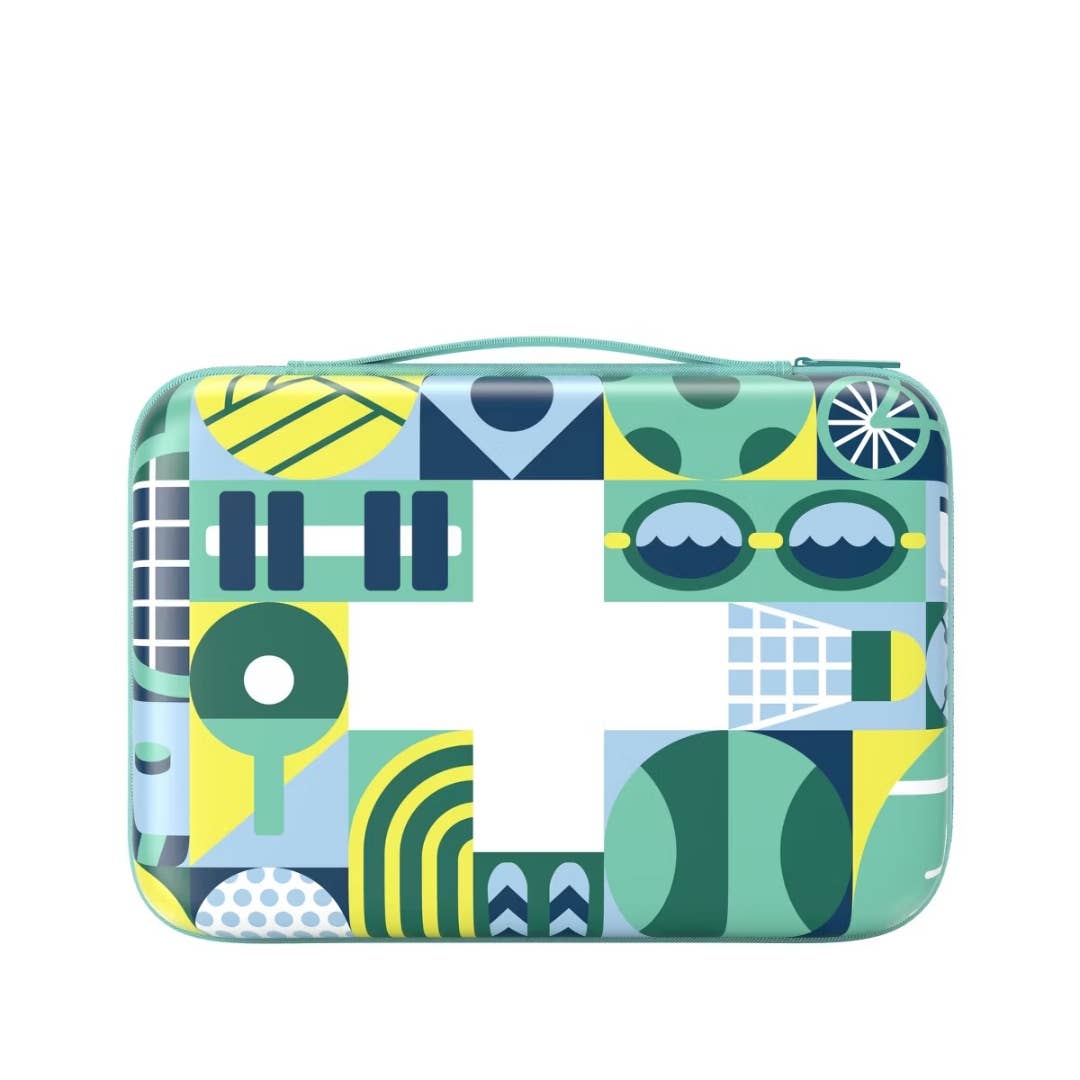
When emergency situations arise, so can injuries. Although super severe injuries, like a burn, a broken bone, or a head wound need professional help almost immediately — and in those cases, you should call 911 or do you best to reach a local emergency number for help — minor injuries like cuts, scrapes, and sprains can easily be resolved with a handy first aid kit. Many kits come stocked with several items, including bandages in a variety of sizes, ointment packets, wraps, splints, cleansing products, and more, and instead of buying a whole new set when you’re out, you can buy a refill to restock. You can find everything from burn gel and hydrocortisone cream to tweezers, scissors, and cleansing wipes, but you can also build your own if you want something a bit more customized to your needs. Some people require certain medicines, like epipens or inhalers, or perhaps you want to include feminine products like tampons and pads. Either way, a pre-built first aid kit or one made by yourself can’t hurt to have in emergency situations.
Welly Comprehensive First Aid Kit and Refill Carton
Band-Aid Brand Build Your Own First-Aid Kit
Water purifiers
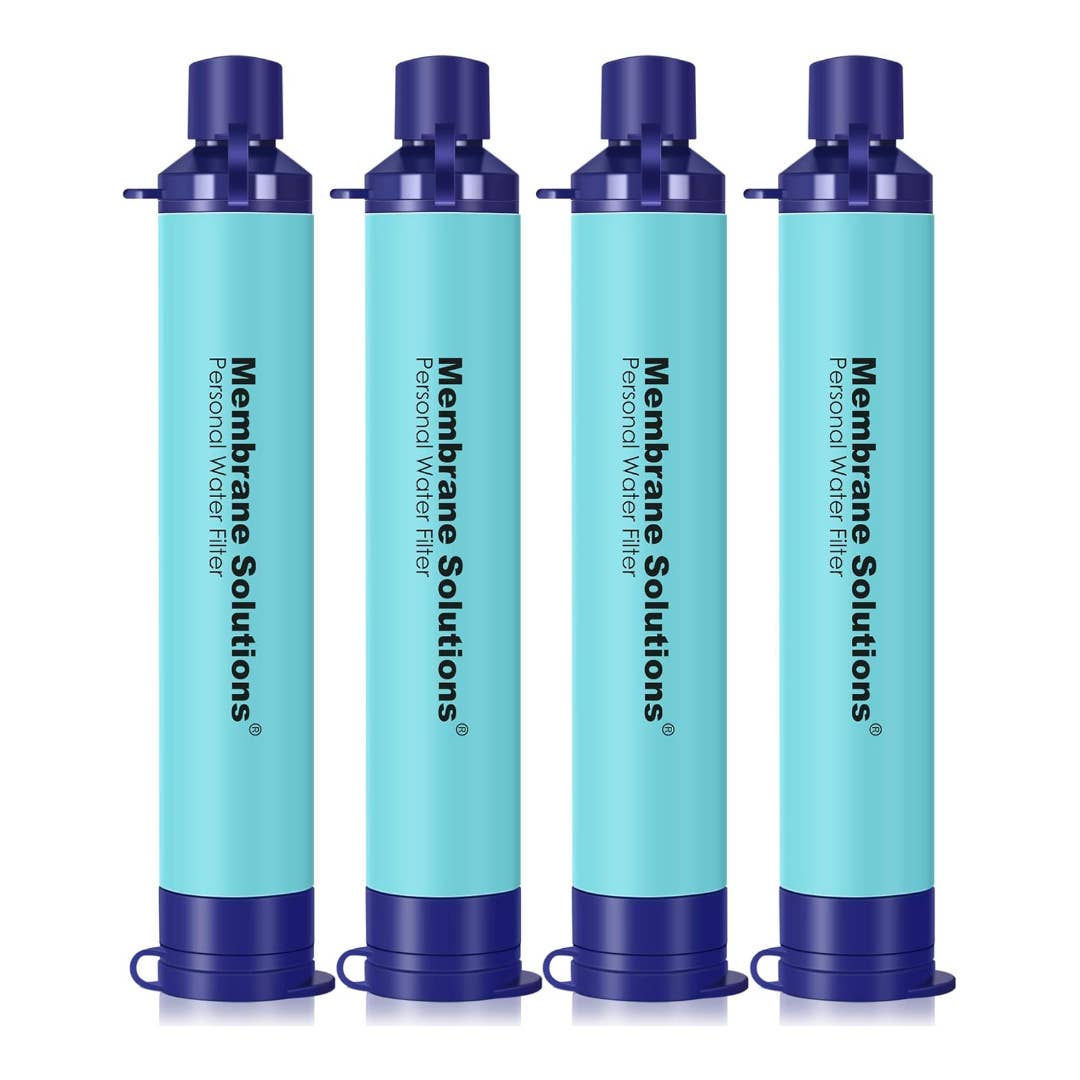
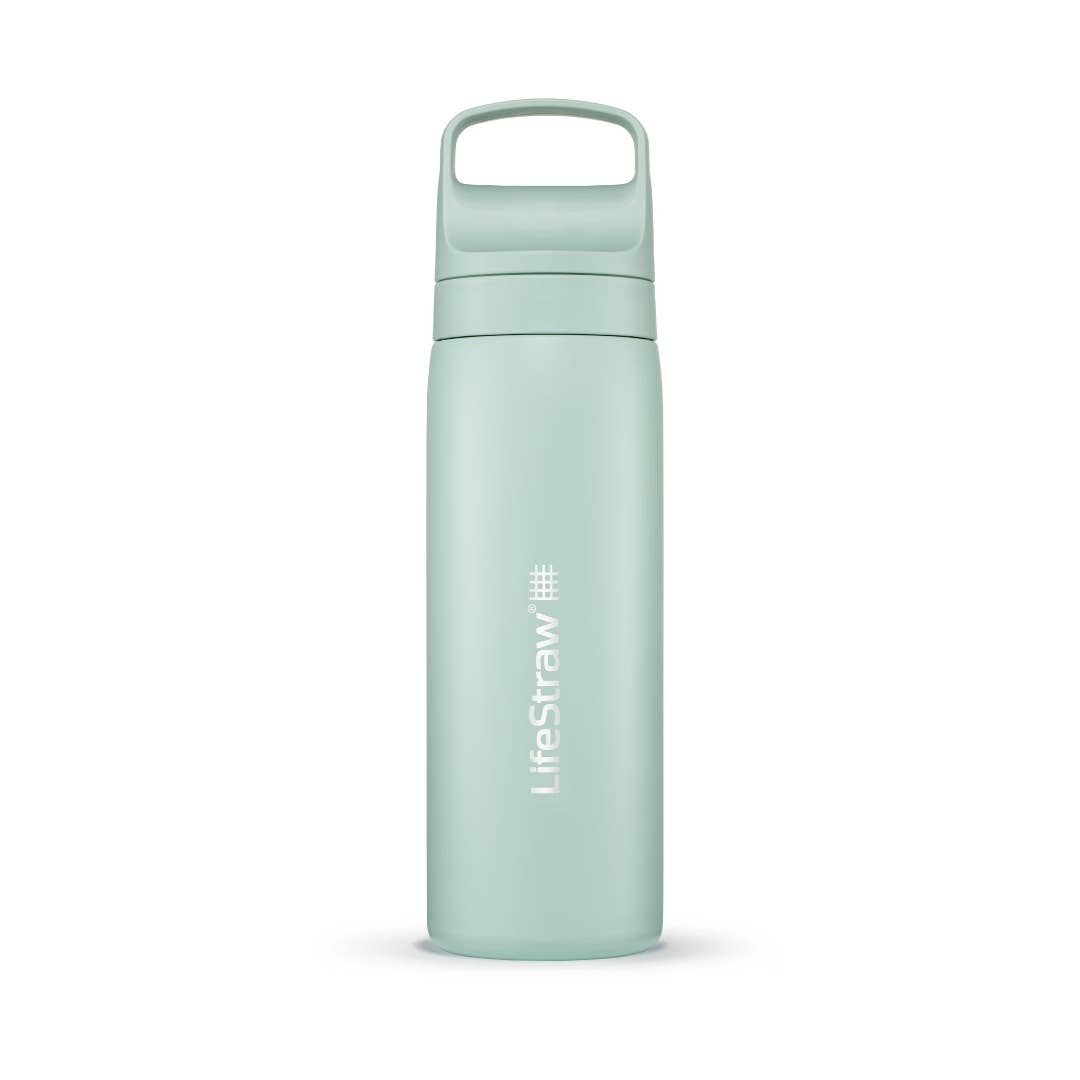
There is a lot of mixed information about access to water when there’s a power outage, but the thing to know is that not everybody has access to running water once the electricity goes out. And those that do have access, don’t always have access to clean running water. If you live in a house connected to the city’s water supply, you typically still have running water because the city uses gravity-fed water towers or backup generators to keep the pressure going — but issues of cleanliness are still something to consider. Private well systems and high-rise apartments and condos don’t have water when the electricity goes out. Well systems require a pump which requires electricity to get access to water, and most multi-story buildings rely on electric booster pumps to push water to upper floors, leaving you without hydration when the electricity goes out. In these cases, it’s best to buy gallons of water in bulk — experts recommend storing a gallon of water per person, per day, and to prepare for a minimum of three days — so you can have fresh, clean drinking water. In cases where water is still running, use purifiers which eliminate any contamination. Some water bottles have purifiers built in, making it even easier to fill them up and sip, while others need to be inserted like a straw and have water sipped through them.
Membrane Solutions Straw Water Filter
LifeStraw Go Series Stainless Steel Water Filter Bottle
Generators
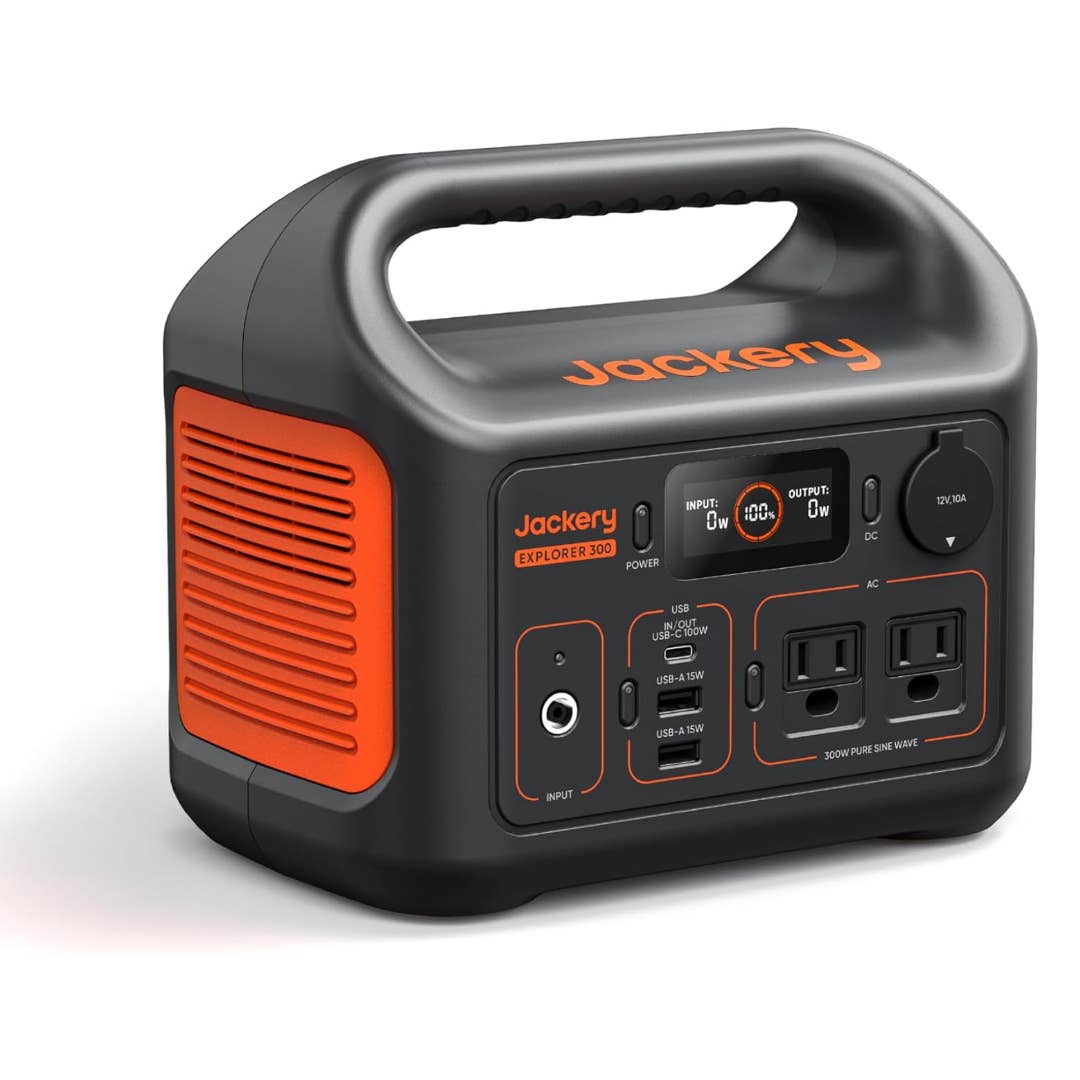
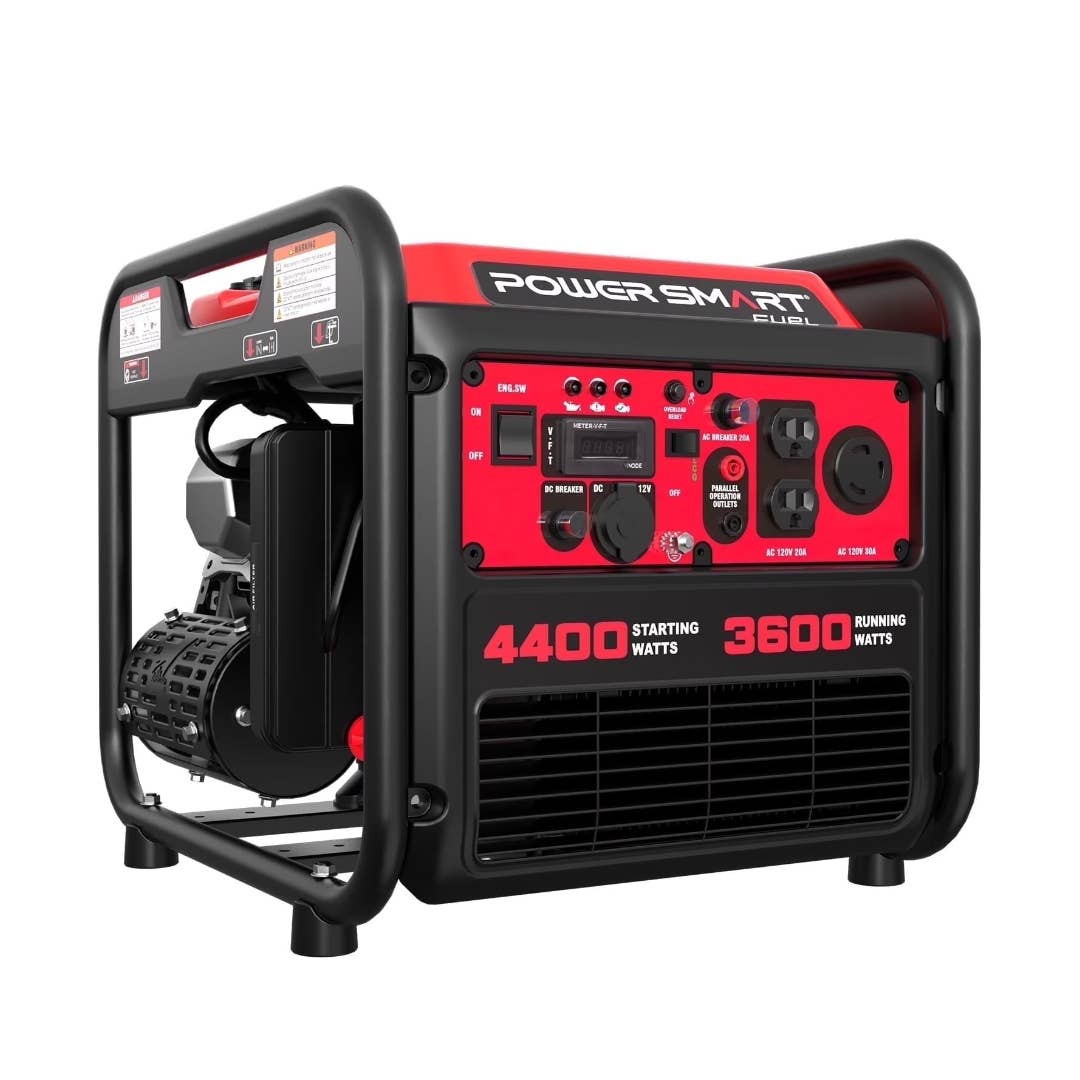
Generators can save you so much stress during a power outage because they eliminate so many of the problems that occur without electricity. Flooding and food spoilage—two of the biggest issues that can happen when the electricity fails—can cost you thousands of dollars. Generators and smaller power bank stations can keep your appliances running, your electronics charged, and in some cases, even keep your entire home powered if you purchase the right one. With so many different models on the market, it can be hard finding the right one for you, but thanks to our breakdown of a few different types, you can easily find the one that best fits your needs and your home.
Jackery Portable Power Station
PowerSmart 4400-Watt Gas Generator
Why is an emergency kit so important?
Emergency kits, DIY or pre-assembled, don’t just keep you sustained during an emergency. They help save lives. We’re so reliant on all the luxuries that electricity provides for us, and when it’s cut off in an emergency situation, even if only for 24 hours, it can leave us overwhelmed, ill-prepared, and unsure about things that seemed so figured out before, like sleeping conditions or food and water. Other situations, like flooding or fires, can so quickly turn our safe homes into dangerous situations, and having essentials on hand as well as being prepared on how to safely get out when those situations turn even more dire, doesn’t just keep us sustained until life returns to normal. It keeps us safe, protected, and healthy, which is all we want when anyone, whether it’s a loved one or stranger, has to tackle an emergency situation.
TheStreet Shopping is your guide for shopping insights and advice. We look beyond the price tag to find the best value in home, tech, and wellness gear based on product features and real-world use.