Gasoline has been on a roller coaster ride. Ask anyone with a truck, and they’ll tell you small price changes at the pump have a big impact when the fill-up is over, and the receipt hits your pocket.
Since mid-April, gas prices have gone from $4 for regular unleaded gas to a peak of about $4.57 per gallon before falling back to $3.719 on July 5, according to GasBuddy.com data.
It’s hard to stick to a budget when gas prices are swinging that much. Consider why the rose rose, and fell, and how little control you had over it: War, and then talk of peace breaking out between the United States and Iran. The Strait of Hormuz closed, then talk of opening up and returning to its old role as the conduit through which 20% of the world’s crude oil passed through every day.
The savings from mid-May prices to the end of June added up, just like the costs at the peak took a toll — and you and I have little to say about how it all shakes out next.
Related: Gas price tumble since May buys a Big Mac and fries
Bad news: the ceasefire didn’t last long
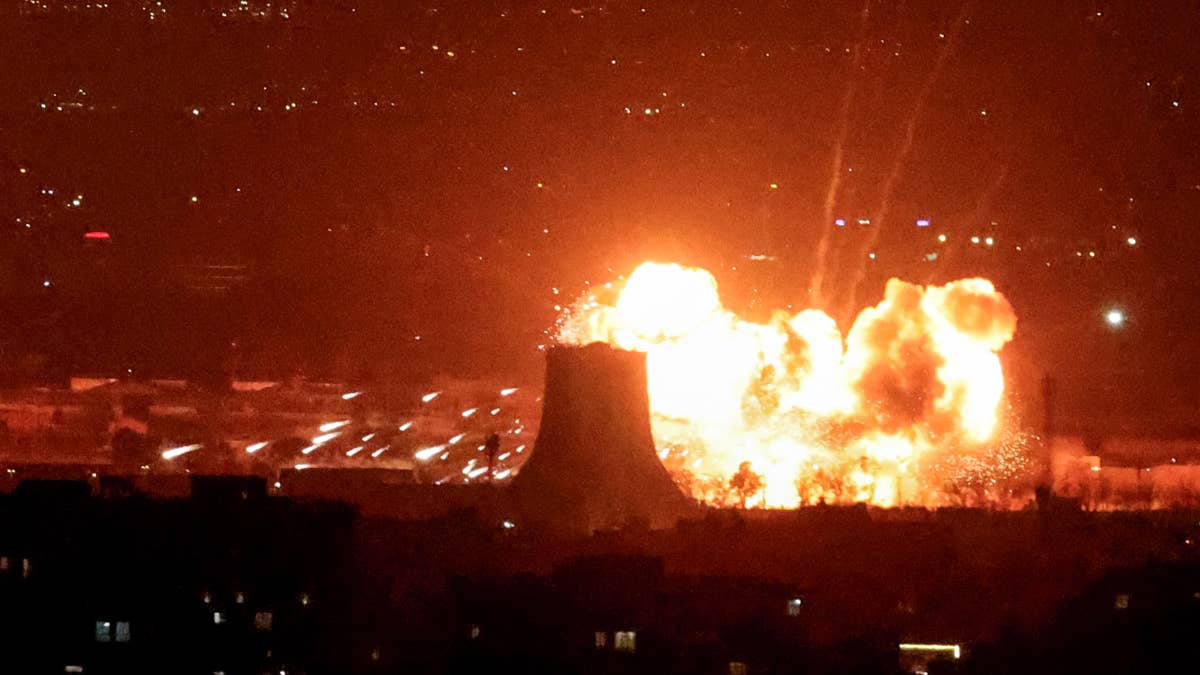
Despite those prior peace talks, missiles, drones, and bombers are now blasting away along the Iranian coast and in cities in Kuwait, Saudi Arabia, Qatar and Oman again.
The United States has launched seven straight days of attacks on ports, bridges, and all manner of sites across Iran, but especially in the south.
At the same time, Iran has attacked its neighbors in retaliation.
And oil prices are yet again up.
As of July 18, the U.S. national average price of gasoline is back to $3.999 a gallon, according to AAA data, and about $3.97 per GasBuddy.
Light sweet crude, the U.S. benchmark, has jumped about 14% in a week to $78.28 per 42-gallon barrel. Brent crude, the global benchmark, has risen 16% to about $88 a barrel. Crude oil and Brent crude are both up about 44% so far in 2026.
Retail gasoline prices in the United States are up 41% this year.
The fighting gets more desperate
Oil prices are rising not just because the Strait of Hormuz is barely functioning, with Iran, Oman, and the United States arguing over who really controls the waterway.
But the fighting is intensifying. Two U.S. service members were killed and a third was missing on July 18 after Iranian missiles hit their base in Jordan. The fatalities were the first since March.
There’s now talk that Houthi rebels who live in Yemen next to the Red Sea might block oil tankers from using that waterway to reach the Mediterranean Sea via the Suez Canal.
Atta Kenare/ AFP / Getty Images
And then, under orders from Iran, there’s fear the Houthis might attack tankers that load crude at a Saudi Arabian port on the Red Sea as well, OilPrice.com reported on July 17.
The situation is getting so tense, an Associated Press report warned, “A return to full-scale war that would further destabilize the Middle East and disrupt the world economy appears increasingly likely.”
More Oil & Gas:
- Drivers face an unpleasant surprise at the gas pump
- We’re Tracking 23 Signals Across 10 Portfolio Investing Strategies
- The war driving up gas prices isn’t the one you think
The war weighs on markets
The uncertainty of the situation is, of course, weighing on American politics and almost certainly will be a factor in deciding what party wins control of the U.S. House of Representatives and the U.S. Senate in November.
It is also a big weight on U.S. stocks. The Standard & Poor’s 500, Nasdaq and the Dow Jones industrials are up 8% to 9% this year. But all three indexes fell in June and are down again so far in July.
A big factor is that semiconductors and technology stocks have hit a lull and have been pulling the major averages lower. And gains for technology shares are dominating markets.
Uncertainty isn’t good for the market, gas prices aren’t good for our wallet, and unfortunately, we are stuck paying the price.