The Federal Reserve has completed its fifth meeting of 2026, with three to go.
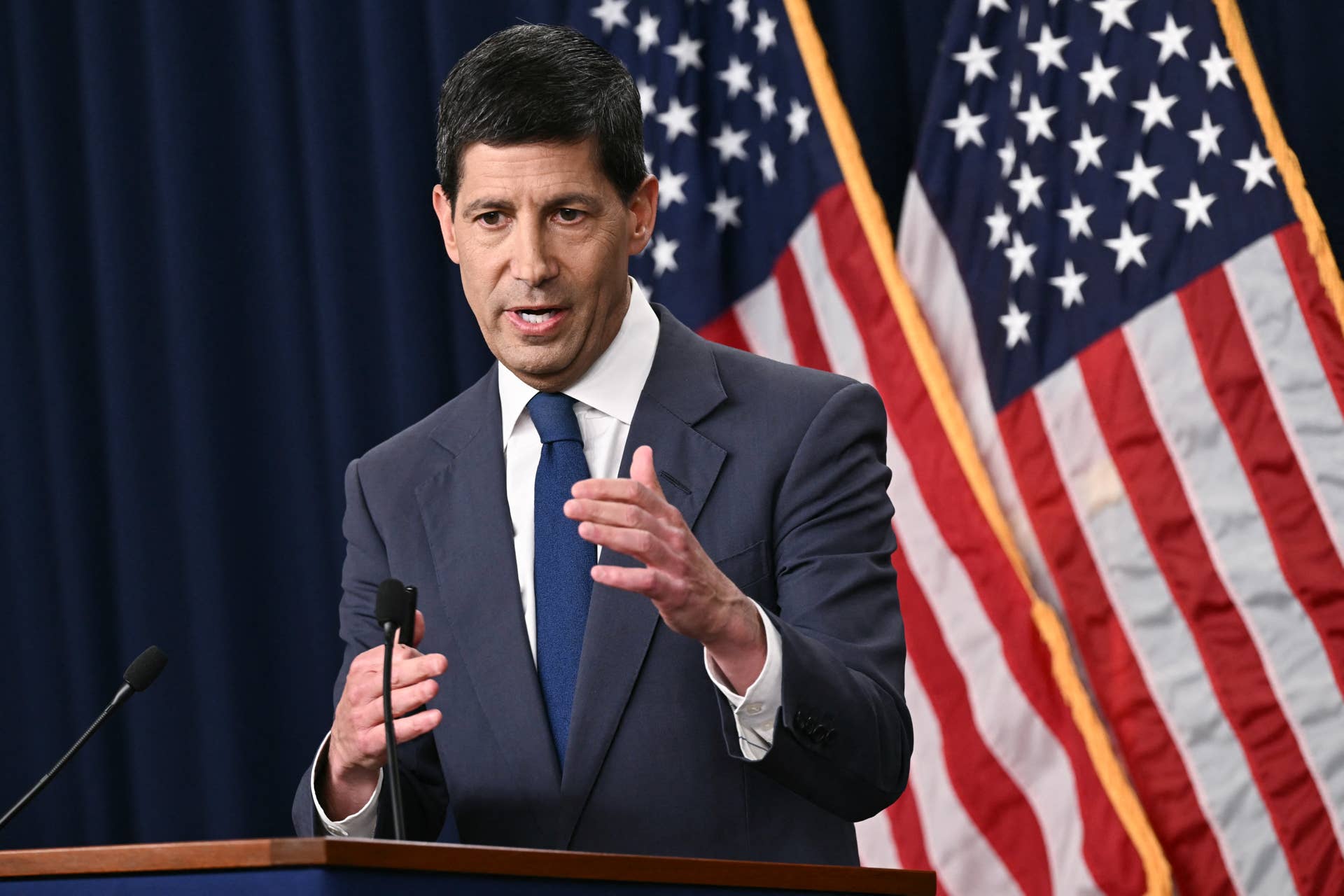
This was Kevin Warsh‘s second Federal Open Market Committee (FOMC) meeting as chairman. And since there is no Fed meeting in August, it’s the last Americans will hear from the committee for seven weeks, until the Sept. 15-16 meeting.
The Federal Reserve agreed to leave the federal funds rate unchanged at its July meeting. But this decision still impacts various aspects of your wallet — including mortgage rates.
How Federal Reserve meetings impact mortgage rates
At each meeting, the Federal Reserve sets the federal funds rate. This is the rate banks use when they lend money to each other.
“The federal funds rate is the interest rate at which banks lend money to one another overnight, meaning it’s an interest rate on very short-term lending,” explains Fannie Mae. “Interest rates on other short-term bonds and loans move very closely with changes in the federal funds rate.”
Think of your car loan or personal loan — ones with terms lasting just a few years. These are the loans with rates that closely follow the Fed’s rate.
Mortgages typically aren’t short-term loans, though. So the Fed rate’s impact on mortgages is a little more complex.
More Mortgage Rates:
- Why homebuyers win despite latest mortgage rate news
- Fannie Mae predicts shift in mortgage rates, housing market
- Americans face home-buying shift after mortgage rate news
Rather than strictly following the federal funds rate, mortgage loan rates track the 10-year Treasury yield more closely because the average homeowner has the same mortgage for roughly seven to 10 years before getting a new one (either by moving or refinancing).
However, that doesn’t mean the Federal Reserve has zero effect on mortgage rates. Having reported on mortgage rates for years, I’ve seen how the federal funds rate and mortgage rates intertwine.
It’s just that the impact is indirect rather than direct.
First, several factors that affect the 10-year Treasury yield also influence the federal funds rate, including inflation and economic growth. So if the federal funds rate increases, there’s a good chance the 10-year Treasury yield will also rise.
Second, investor sentiment about the Fed can move mortgage rates.
Here’s an example based on what I’ve witnessed over the years: Let’s say the public expects the Fed to hike its rate at its next meeting. For two or three weeks leading up to that meeting, that sentiment pushes mortgage rates upward.
Then — unless the Fed does something unexpected — mortgage rates usually hold steady after the meeting. The movement usually happens before the FOMC meeting.
What the Fed decided about interest rates
The FOMC voted to keep the federal funds rate unchanged at the July meeting. The target range is still 3.50%-3.75%.
“With oil prices see-sawing, inflation data more subdued and employment hanging tough, doing nothing was the best course of action,” Melissa Cohn, regional vice president of William Raveis Mortgage, said in a statement shared with TheStreet.
Not everyone agrees, though. Three of the 12 FOMC members dissented, arguing that the central bank should raise the rate by 25 basis points to help combat inflation.
Related: Bank of America CEO warns inflation will back Fed into a corner
“I wouldn’t characterize what we did as anything like a pause,” Warsh said at the July 29 news conference. “I would characterize what we did as a rigorous review of the economic situation.”
Warsh seems to believe there are still too many unknowns to hike the rate so soon. He also declined to provide insights into the FOMC’s future rate decisions at the news conference.
Where are mortgage rates headed after the Fed meeting?
Those three committee dissents about holding the federal funds rate are not insignificant.
“Barring an unanticipated deterioration in labor markets or a meaningful improvement in inflation trends, we’re likely headed toward interest rate hikes later this year,” Guy Berger, Chief Economist at Homebase, said in a statement shared with TheStreet.
A lot of economic data will be released in the next two months that could give Warsh and the other FOMC members a clearer idea of where the economy stands and what the next move should be — the most important probably being inflation data.
Related: Kevin Warsh’s net worth: The Fed Chair’s wealth & income
We should keep an eye on the Consumer Price Index (CPI) and Personal Consumption Expenditures (PCE) price index, both of which are key measures of inflation.
The Bureau of Economic Analysis releases the June Personal Consumption Expenditures (PCE) price index on Thursday, July 30. The Fed considers the PCE more seriously than the CPI when making interest rate decisions.
“While the two are similar, the PCE index is constructed in a way that accounts for how Americans are spending their money at a given time and more quickly adapts to changes in spending patterns,” according to the Federal Reserve website.
The CPI is still important, though, and we shouldn’t ignore it.
When it comes to inflation, I think the biggest dates to watch for homebuyers are Aug. 12 and 26. These are the days when the July CPI and PCE are released.
Why are these dates so important? Because any June inflation reports contain data from before the U.S. ended the ceasefire with Iran. The resurgence of tensions in the Mideast has impacted inflation, and those numbers will be reflected in the July inflation reports.
Geopolitical tensions seem to have hurt inflation, so I suspect the next CPI and PCE reports will show that Berger is correct — the Fed will hike rates before the end of 2026.
And as investors prepare for expected rate hikes, mortgage rates will likely also increase.