American workers leaving a job often struggle with choices they have, including whether they should roll the 401(k) plan they are exiting into an IRA. Fidelity Investments explains options people can consider — and emphasizes key mistakes to avoid during the process.
“If you’ve left a previous job and decided what to do with the money in your former employer’s retirement plan, take a moment to feel proud,” Fidelity wrote. “There are many complex factors to consider so giving the decision time and consideration is important.”
“If you’re still on the fence about what to do with your old 401(k), 403(b), or any other workplace plan, don’t be hard on yourself,” Fidelity added. “We all get busy. But it is important to make a mindful selection when you’re ready.”
One option, according to Fidelity, is to keep the money in the previous employer’s plan if the plan permits it. Or, if the new employer accepts transfers, the savings can be rolled into the workplace retirement plan at the new job.
Besides simply cashing out, the other choice is to the roll over the money into an IRA.
“You’re in the driver’s seat,” said Fidelity’s director of retirement product management Sham Ganglani. “It’s important to make a decision about where you would like your money to go.”
Rolling over one’s retirement funds allows them to defer taxes until they start making withdrawals from the new account, according to the Internal Revenue Service (IRS).
“By rolling over, you’re saving for your future and your money continues to grow tax-deferred,” wrote the IRS.
Fidelity highlights 401(k)-to-IRA rollover mistakes
Fidelity cautions that one mistake people should avoid involves rolling the money into the wrong IRA.
“Rollover IRAs are generally meant for pre-tax money from a workplace retirement plan. If your former plan was a Roth 401(k), a Roth IRA is an appropriate choice,” Fidelity wrote. “Ask your IRA provider for help choosing the right account if you’re unsure.”
You’re in the driver’s seat. It’s important to make a decision about where you would like your money to go.”
Fidelity also warns against receiving the check from the previous employer in your name.
“When possible, request that your former plan provider send the money directly to your IRA provider,” Fidelity wrote. “This is called a direct rollover and tax withholding isn’t required.”
“Contact your plan administrator for instructions. The administrator may issue your distribution in the form of a check made payable to your new account,” added the IRS. “No taxes will be withheld from your transfer amount.”
A 401(k)-to-IRA rollover can stall
The transfer of funds from the old 401(k) to the new IRA can get held up, according to Ganglani, so it’s important to “proactively follow up.”
“When you initiate the rollover, confirm the requirements with your former employer’s plan provider and ask for the average amount of time to process a rollover request,” Fidelity explained. “If the rollover hasn’t arrived in your IRA near the expected time, call the employer’s plan provider and ask about the status.”
“You can leverage your IRA provider to make this call,” Fidelity added. “Calling your former plan with a representative from your IRA provider can make the conversation easier.”
Should a rollover hit a snag, the client and an IRA agent can address the underlying issue to ensure the money gets moved smoothly.
Fidelity stresses importance of investing 401(k) savings
With an IRA, moving money in is only step one — it doesn’t auto-invest like a 401(k). Investors must actively pick and purchase their assets, or consult a financial professional for support.
So another rollover mistake to avoid is letting the money park for too long without getting it re-invested.
“If you’re not proactive, your retirement savings can inadvertently stay in cash,” said Scott Boyd, a benefits and planning consultant at Fidelity.
“If you’re 30 or 40 years old, it can sit there as cash for the next 20 to 30 years or so, until you’re ready to retire,” he continued. “That’s a big, missed opportunity for growth potential over that period.”
More on personal finance:
- Charles Schwab, Fidelity alert workers to forced 401(k) rule
- Dave Ramsey warns Americans on 401(k)s, IRAs (he’s not wrong)
- Congress research arm warns Americans on 401(k), IRA penalty
Fidelity clarifies the importance of strategizing about how the rollover fits into one’s broader retirement plan.
“If you’re saving for retirement, investing for growth potential may be necessary to help you reach your goals,” Fidelity wrote. “If you’re ready to retire, you may need strategies to provide income, minimize taxes, and help your money potentially grow.”
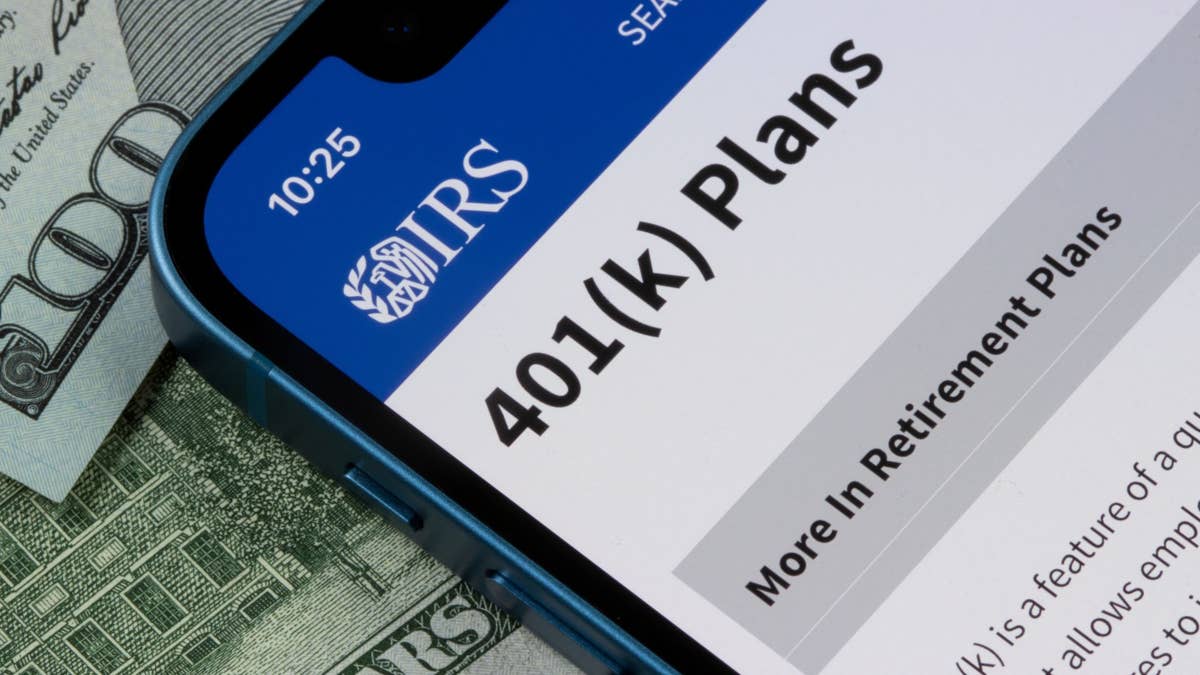
Shutterstock
Vanguard explains tax implications of 401(k)-to-IRA rollovers
It’s important here to emphasize that moving retirement savings to an IRA allows the money to grow without immediate taxation.
Taxes only apply at withdrawal time, unless funds are shifted from a pre-tax account into a Roth IRA, according to Vanguard.
“This allows your savings to continue growing tax-advantaged, helping you build long-term financial security,” wrote Vanguard.
“If you don’t complete a rollover and instead take a distribution from your employer-sponsored plan, the distribution is usually taxable (except for qualified Roth IRA distributions or funds you’ve already paid taxes on),” Vanguard added.
“You might also owe a 10% early withdrawal penalty unless you qualify for an exception, such as being over age 59½, having a disability, or experiencing certain other life events.”
Related: Dave Ramsey has blunt words on major 401(k), IRA move