Many non-Americans are hesitant to come to the United States right now. And I’m not just talking about international travelers — this reluctance also applies to potential foreign homebuyers.
International buyers purchased only 67,100 properties in the 12-month period from April 2025 to March 2026, according to the National Association of Realtors.
This represents a 14% annual drop in the number of homes purchased by foreign buyers, and it’s the second-lowest level since the NAR started tracking foreign housing purchases in 2009.
This number includes non-U.S. citizens who permanently live abroad, people who immigrated in the last two years, and non-immigrant visa holders who have lived in America for at least six months, according to the NAR 2026 International Transactions in U.S. Residential Real Estate Report.
In other words, some of these buyers are foreign investors, while others legally live in America.
So, what does this mean for the U.S. housing market?
Why purchases by foreign homebuyers have decreased
The drop in international homebuyers can partly be attributed to issues in their own countries. But a lot of it has to do with tough conditions in the U.S.
“Canada’s economy is starting to recover after a weak start to the year, but uncertainty around trade, jobs, the domestic housing market and inflation is still prompting many Canadians to think twice about making a major purchase,” said Chen Zhao, Redfin’s head of economics research.
America’s struggling economy is a turnoff for some. Mortgage rates are inching closer to 7%, according to Freddie Mac. The war with Iran is driving up inflation and creating significant economic uncertainty overall.
Related: Americans reject homebuilders despite price cuts
Unfriendly political conditions are the driving factor for others.
“The decline in foreign home buyer activity mirrors the decline in international visitors and tourists to the United States,” said NAR Chief Economist Lawrence Yun.
“Even a slightly weaker U.S. dollar over the past year, which provides more purchasing power for foreigners, did not induce more activity,” Yun continued.
Did immigration or foreign purchasing drive up home prices?
White House spokesman Davis Ingle told Straight Arrow News that President Joe Biden’s policies “caused housing prices to soar as illegal aliens drove up housing demands that ultimately squeezed the supply.”
He also told Straight Arrow that President Donald Trump’s focus on deportations is “freeing up the housing supply for American citizens, which is making it easier and more affordable for them to partake in the American dream of owning a home.”
Let’s look at both of these claims.
First, did unauthorized immigration during Biden’s term cause home prices to spike? It doesn’t seem like it.
More Housing Market:
- Cooler PCE inflation data can’t fix today’s mortgage rates
- Americans face uncomfortable decision after housing market news
- New Redfin data shows housing market is changing fast
A working paper from the Federal Reserve Banks of Dallas and San Francisco examines how the boom in unauthorized immigration from 2021-2024 affected the U.S. job and housing markets.
Unauthorized immigration increased local home prices by 2.2% and local rents by 1.4%, according to the paper.
That number isn’t exactly groundbreaking. In the four-week period ending July 26, 2026, the national median home sale price increased by 2.8%, according to Redfin data.
Ingle’s argument that unauthorized immigration “caused housing prices to soar” is weak at best.
Is the drop in international buyers making housing more affordable?
Second, is the decrease in international buyers helping solve the home affordability crisis?
Nope. The research shows me that there are three main reasons why the claim that deportations help home affordability for Americans is false.
1. There’s a need for housing construction
In addition to noting the need for housing construction, the working paper also mentioned that unauthorized immigrants might “disproportionately work in the construction sector, potentially lowering construction costs and, eventually, increasing housing supply and putting downward pressure on rents.”
The U.S. needs to build 4.7 million houses just to meet the current housing demand, according to Zillow research. A lack of supply drives competition, which increases home prices.
Deportations are hurting the construction labor market. Of the construction firms surveyed by the Associated General Contractors of America (AGC) in August 2025, 28% reported being directly or indirectly impacted by immigration enforcement in the previous six months, hurting their workforces.
We need construction workers to build homes.
2. Foreign homebuyers have not bought up all the affordable housing
Switching gears from deportations to housing affordability in general, research doesn’t show that foreign homebuyers have been buying up all the affordable housing the typical American is fighting for. The NAR report showed that from April 2025 to March 2026, Chinese buyers’ average purchase price was around $1 million.
Foreign buyers are buying more expensive houses overall. The national overall median purchase price for existing homes in the U.S. was $413,600, according to the NAR. Meanwhile, the median price for existing homes purchased by international buyers was $465,000.
3. Foreign buyers made up only a fraction of homebuyers in America
From April 2022 to March 2023 — while Biden was still president — international buyers accounted for only 1.8% of all existing-home sales in the U.S. This information was reported by NC REALTORS, citing the NAR’s 2023 study, which is no longer publicly available.
The NAR’s most recent report shows that international buyers only account for 1.7% of home sales in the U.S.
It doesn’t seem like foreign buyers were taking much of the available housing from American homebuyers to begin with. Especially not the less expensive housing.
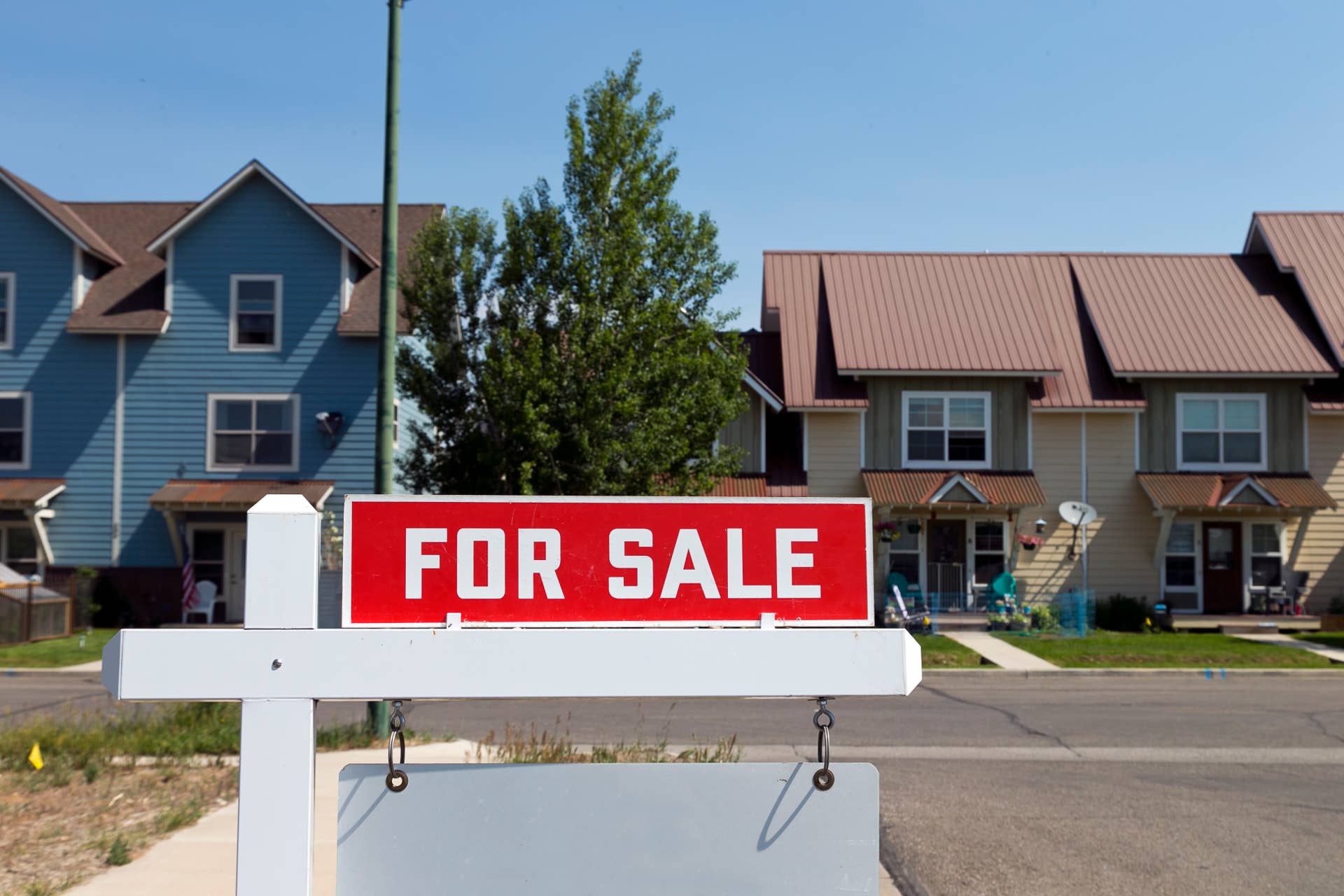
What the NAR data mean for American housing affordability
Based on the research, I don’t believe the 14% annual decline in foreign homebuyers will have much impact on the U.S. housing market.
Redfin conducted its own report based on the real estate technology company’s data. The research found that the number of Redfin users based in Canada searching for homes to buy or rent in America dropped 15.3% annually in June 2026.
Redfin also noted that the number of Canadians searching for properties in the U.S. has decreased by about 37% in the last two years.
Even so, this decrease shouldn’t make a huge difference.
“Canadian buyers make up a small portion of the U.S. housing market, so a decline in their buying activity doesn’t significantly change market conditions overall,” Zhao told TheStreet.
“In general, it means there are fewer buyers competing for homes, especially in places where home purchases by foreign buyers are more common, like Florida and California,” she continued.
So, the main advantage of fewer international buyers could be less overall competition. This will benefit people in specific parts of the U.S.
“When there are fewer buyers in the market, competition for homes eases, giving homebuyers a bit more negotiating power — this is not exclusive to buyers migrating from other countries,” Zhao said. “Less competition can make it easier for buyers to find a home and negotiate on price or terms.”