Landing a summer internship at one of the most prestigious firms in the country used to come with a promise. Work hard, impress the right people, get the offer, and at the end of it all, something special happens.
I was not just a job, but also an experience, the kind that makes the internship worth talking about for years afterward.
For thousands of PricewaterhouseCoopers interns, that promise just got quietly revised. The trip they were told about when they accepted their offers isn’t happening this summer. And it may not happen again.
What PwC canceled and what interns get instead
The Impact event was the capstone of PwC’s summer internship program, reserved for interns who received full-time job offers. It covered access to Walt Disney World, accommodation, meals, networking with firm leaders, and career development panels, according to Business Insider.
The event had run for roughly 15 years, dating back to at least 2011 when PwC announced an Orlando event for 2,400 interns.
More Economy:
- Bank of America CEO warns inflation will back Fed into a corner
- Bank of America just made a strong call on inflation, economy
- Goldman Sachs says Americans may pay for the AI boom
What’s replacing the Orlando trip is considerably less exciting. At least some interns were told their programs would wrap up with office-based events instead. One tax intern said the plan was a team dinner at an Italian restaurant.
PwC confirmed the cancellation and said it’s shifting resources toward experiences that give interns more time with colleagues and clients. The firm says that’s a better investment than a resort trip.
The firm hasn’t eliminated all large-scale intern events. Its Destination CPA program, a three-day networking event in Orlando for incoming accounting interns, may still include Disney World access.
The difference is that Impact was a reward for the entire qualifying class. What’s replacing it is more targeted and local.
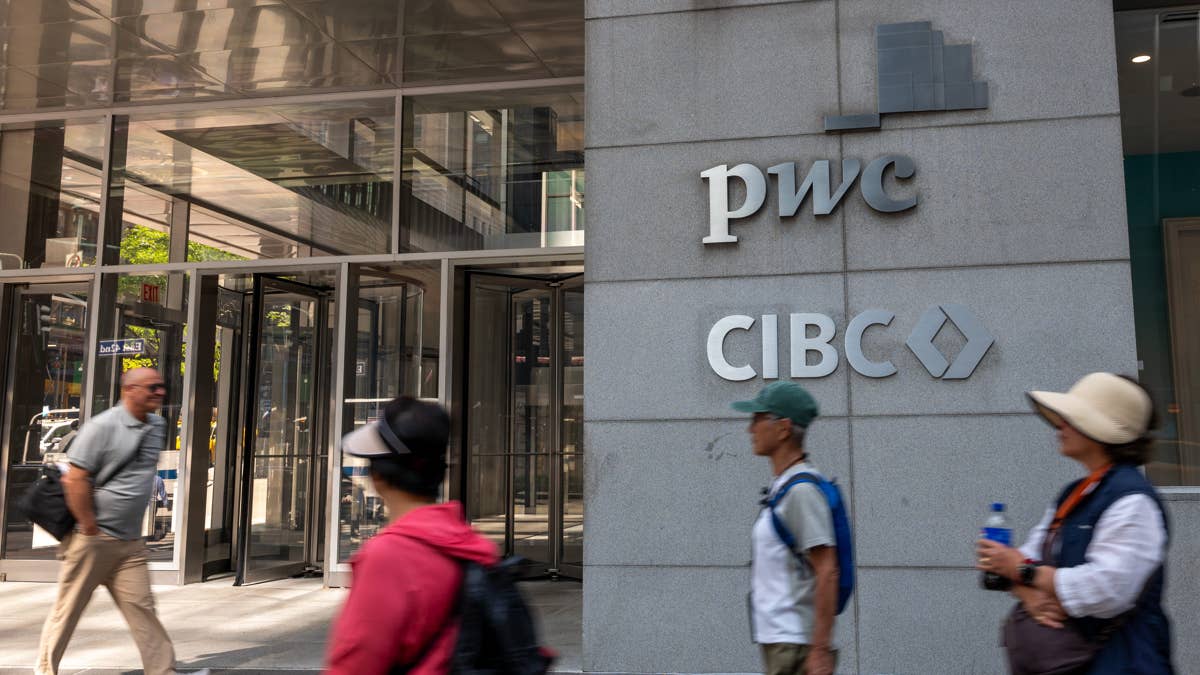
Spencer/Getty Images
EY also canceled Disney trip as Big Four intern perks shrink
PwC isn’t alone in this. Ernst & Young also canceled its annual Disney trip for summer 2026 interns, according to Going Concern, which has tracked Big Four intern programs for years. EY reportedly cut its internship down to six weeks, did not pay interns for the July 4th week, and also canceled intern gifts.
The pattern across two of the four largest accounting firms in the same summer suggests something structural is happening, not just a one-off budget call at a single firm.
KPMG and Deloitte haven’t made the same move yet. KPMG spent $450 million building the Lakehouse, a dedicated training facility in Florida, Fortune reported. Deloitte has its own version in Texas called Deloitte University, according to the company.
Both are designed to give early-career employees a genuine sense of what joining the firm means, with amenities, programming, and networking baked in. Right now, those investments look like a differentiator. If PwC and EY continue pulling back on large-scale experiences, that gap could matter in recruiting conversations next fall.
PwC hiring cuts, Learning Collective, and the new early career model
The Disney cancellation isn’t a standalone decision. PwC has been rebuilding its early-career model from the ground up.
In February, the firm launched the Learning Collective, a development program built around 30 defined skills that combine AI capability with human competencies, including judgment, communication, and client problem-solving.
The stated goal is to build the kind of skills AI can augment but not replace. Since fall 2025, PwC has also cut the number of U.S. cities where entry-level consultants can start their careers from 72 down to 13.
The stated goal is concentration, fewer locations, closer teams, and more standardized training. The real effect is that many cities that used to be entry points for PwC careers no longer are.
PwC also plans to cut its U.S. entry-level hiring by roughly one-third over the next three years. An internal presentation obtained by Business Insider showed hiring goals for junior-level associates dropping from 3,242 in the fiscal year ending June 2025 to a projected 2,197 by 2028, a 32% decrease.
In audit specifically, the projected cut is closer to 39%, according to Entrepreneur. The presentation linked the change to AI, transformation efforts, and further integration of the company’s offshoring operations.
PwC reduced its global headcount by 5,600 during its 2025 financial year, reversing an earlier expansion strategy, even as its Americas business remained its fastest-growing region, Fortune also noted.
How AI is reshaping Big Four accounting and consulting internships
The deeper driver behind all of this is artificial intelligence. Accounting and consulting firms are increasingly using AI to handle data-heavy tasks that were traditionally assigned to junior employees.
That shift is changing what firms want from new hires. KPMG has adjusted some audit intern training to focus less on technical tasks and more on critical thinking, data analysis, and drawing conclusions from data rather than preparing it, Business Insider reported.
When entry-level work changes that fundamentally, the recruiting pitch changes with it. A Disney trip made sense as a reward for interns who were joining a firm where the first few years involved a lot of time-consuming but trainable work.
If AI handles more of that work, the pitch to interns needs to be different, and the cost-benefit of a major resort celebration looks different, too.
What PwC and EY changes mean for Big Four job seekers in 2026
For students, the canceled trip is more than a lost vacation. These programs help communicate a firm’s culture and signal how it values top-performing candidates.
Removing Impact may not change PwC’s compensation package, but it changes how the firm compares in a market where Deloitte and KPMG still offer large-scale experiences.
The internship itself still matters. Getting a full-time offer at a Big Four firm remains valuable and competitive. But the path from internship to offer to career is narrowing as hiring volumes fall and AI absorbs more of the work that once filled a junior employee’s first two years.
The firms that figure out how to make that narrower path feel worthwhile, without the Disney finale, will have an advantage in a labor market that is watching these changes closely.
Related: Nvidia CEO says many are wrong about AI impact on your job