A grocery chain is preparing to shut down a major part of its operations, marking the end of a decadeslong business function as retailers continue searching for ways to lower costs and improve efficiency.
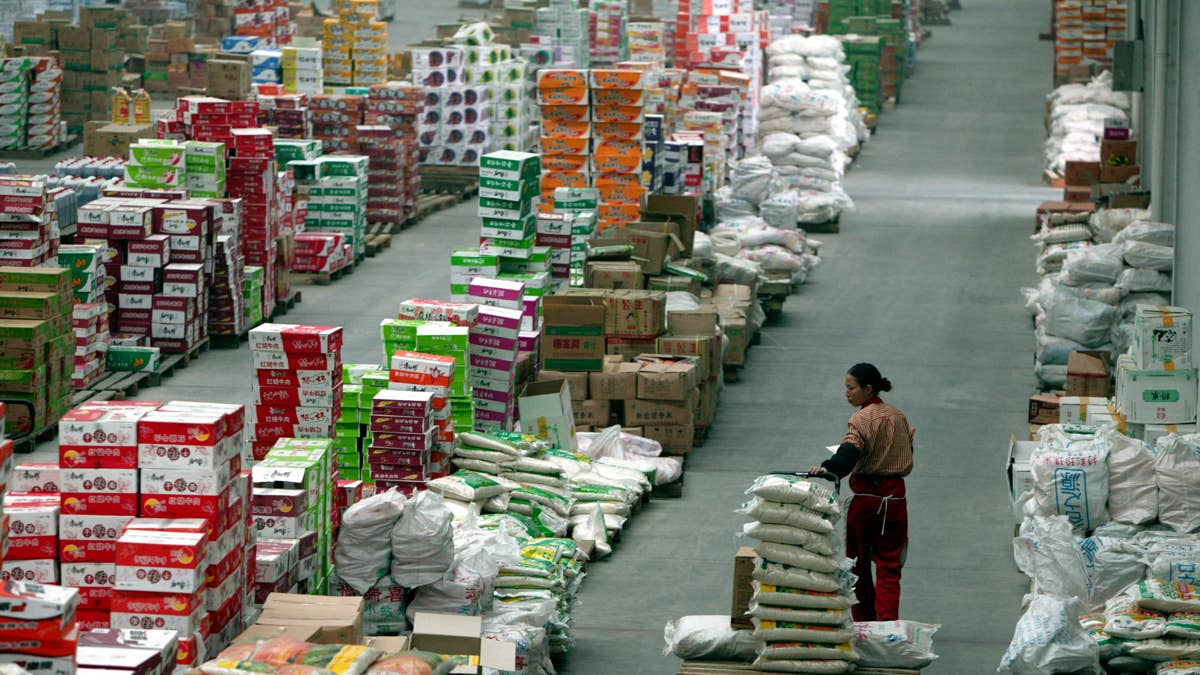
The move reflects a broader shift across the grocery industry, where regional chains are reevaluating expensive supply chain operations and deciding whether managing warehouses themselves still makes financial sense.
While some of the nation’s largest grocers continue investing heavily in their own distribution networks, others are taking a different approach to strengthen profitability.
Schnucks Markets is closing its last company-owned warehouse
Schnucks Markets will permanently close its final company-owned warehouse at 12921 Enterprise Way in Bridgeton, Missouri, on March 28, 2027. The closure will affect approximately 64 warehouse employees, both union and non-union.
The facility will continue operating through a phased wind-down, and affected employees will remain on the payroll until the warehouse officially closes.
Although the warehouse handles only a small portion of the company’s product assortment and serves primarily as a general storage facility, Schnucks Markets said the transition will be limited to the Bridgeton operation. Customers should not experience any disruption to store operations or product availability.
Why Schnucks Markets is closing the warehouse
Founded in 1939 in St. Louis, Missouri, Schnucks Markets is a family-owned grocery retailer.
In 2025, the Schnuck family established 1939 Group, Inc., the parent company for approximately 163 stores operating under the Schnucks, Festival Foods, and Hometown Grocers banners across Missouri, Illinois, and Indiana.
Here’s some of my previous coverage of store closures:
- Major grocery chain resumes store closures in 2026
- Grocery chain resumes store closures after monthslong pause
- Grocery chain closes final 2 stores in key market
Closing the warehouse marks the company’s exit from operating its own warehouse facilities, allowing it to focus resources on its core retail business while relying on external distribution partners for logistics.
Operating an in-house distribution network gives grocers greater control over inventory, product quality, and delivery schedules, but it also requires significant capital investment, specialized infrastructure, and ongoing logistics expertise. For many regional grocery chains, the costs of maintaining that level of operational control can outweigh the benefits.
“Data shows that when retailers bring the goods in themselves, they incur more costs than they might have thought and they are not doing it as efficiently as a distributor,” said Supermarket News contributing writer and industry expert Barbara Murray.
That cost challenge is especially significant in the grocery industry, where thin profit margins leave little room for operational inefficiencies. According to the Food Industry Association, grocery profit margins average just 2.1%, meaning a single period of elevated inventory shrinkage or unexpected operating expenses can erase months of earnings.
In contrast, grocery giants including Walmart, Kroger, and Aldi continue to operate extensive in-house distribution networks. Their national scale and significantly larger budgets allow them to spread distribution costs across thousands of stores, making vertically integrated supply chains far more cost-effective than those of regional grocery chains.
As regional grocers continue looking for ways to improve margins and simplify operations, outsourcing logistics is becoming an increasingly attractive alternative to maintaining costly warehouse facilities.
Schnucks Markets’ decision reflects a broader strategy among many mid-sized retailers to prioritize investment in their store network and customer experience while relying on specialized distribution partners to manage the complexities of the supply chain.