After making several moves this year to win back customers, Home Depot is making headlines again over a lawsuit that alleges it violated customers’ rights.
In 2025, the home-improvement giant had a bumpy year, marked by several consumer boycotts over its decision to cut its diversity, equity, and inclusion policies; its alleged cooperation with ICE’s immigration crackdown; and price hikes to address tariff pressures.
In 2026, it turned a new leaf by making several moves to lure shoppers back to its stores and offerings. Home Depot made a major expansion of its “Pro” ecosystem with high-tech tools such as an AI-powered Material List Builder and a first-of-its-kind real-time GPS delivery tracker for bulky materials. It also improved the physical store experience with Wahlburger’s food trailers and expanded its rewards program.
Now, the home improvement retailer is facing legal challenges after being accused of using its customers’ personal data without their consent.
Home Depot accused of selling customer data without consent in new lawsuit
A new class action lawsuit accuses Home Depot of selling customers’ personally identifiable information (PII) to third parties without providing notice or obtaining their consent.
Plaintiff William E. Wright filed the lawsuit in U.S. District Court for the Eastern District of Virginia on July 1, 2026.
In the document, Wright alleges that the retailer used its retail media network, Orange Apron Media, to let brands advertise directly to its customers through the Home Depot website, social media channels and in stores, reported Top Class Actions.
The lawsuit argues that by selling its customers’ data to third parties without notifying them, the retailer had violated Virginia’s Personal Information Privacy Act.
“Home Depot profits handsomely from the unauthorized sale and disclosure of consumers’ purchasing patterns and other personal information and does so at the expense of its consumers’ statutory privacy rights,” the lawsuit read.
Wright is seeking a trial by jury and asking the court to rule Home Depot’s practices unlawful, order an immediate stop to the alleged data sharing, and award financial damages to affected consumers.
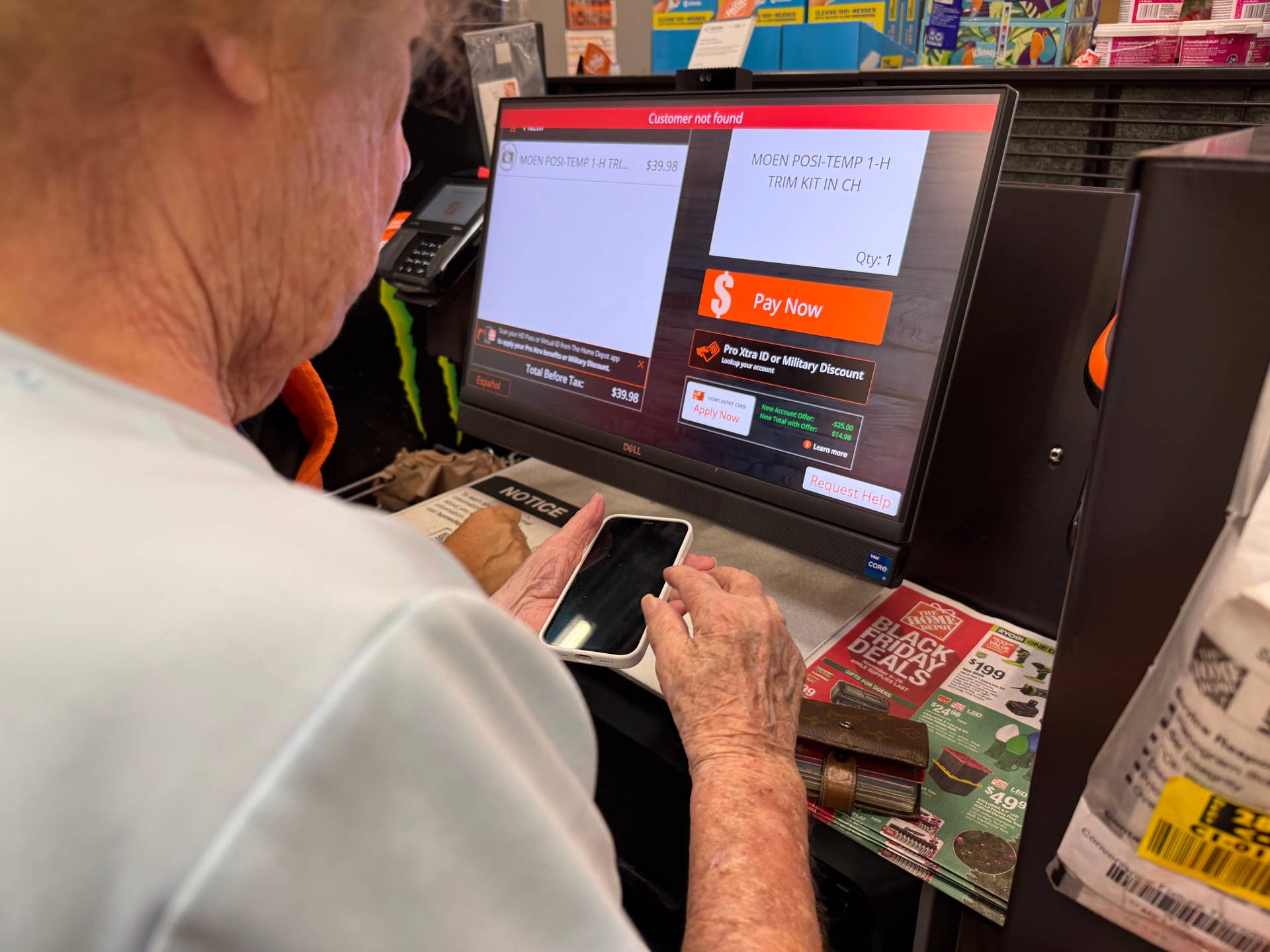
Why would Home Depot sell customers’ personal data?
Retail media has been a part of consumers’ everyday lives for roughly two decades now. It is a form of modern digital advertising where brands pay retailers to promote products and services directly to shoppers.
“Given the strong brand demand, 49% of surveyed retailers view retail media as a top business priority. It can help them generate new revenue that is equivalent to up to 5% to 7% of e-commerce sales or 0.5% to 1.5% of total sales — with profit margins exceeding 65%,” reported Boston Consulting Group.
Wright alleges that Home Depot generates additional revenue by offering detailed consumer profiles that allow Orange Apron Media to better target advertisements to customers.
This isn’t the first time Home Depot has been accused of violating privacy rights.
Home Depot’s previous privacy lawsuit
In May 2026, another class action lawsuit filed in California accused the retailer of running a “covert surveillance operation” by using cameras in parking lots to capture vehicle data.
These data were then shared with law enforcement for various purposes, including theft investigations and immigration enforcement, according to Gadget Review.
Related: Here’s what killed a 29-year-old fast-casual restaurant chain
Home Depot and Lowe’s shared data from hundreds of Flock cameras with police, 404 Media’s investigation revealed.
A coalition of 38 advocacy groups, including civil rights organizations Electronic Frontier Foundation (EFF), Fight for the Future, the ACLU of Ohio, and the American Federation of Teachers, along with shareholders from Home Depot, have expressed deep concerns over the technology, reported TheStreet’s Co-Editor in Chief, Daniel Kline.
Then, a class action lawsuit was filed against Home Depot, claiming the retailer violated California law by failing to comply with several requirements of California’s Automated License Plate Recognition Privacy Act, wrote ClassAction.org.
The document argued that the retailer also failed to identify training requirements for any employees and contractors who use that system, and that it has already contributed to wrongful law enforcement encounters. This reportedly included at least 12 misread incidents in which innocent people were stopped at gunpoint.
Why consumers shouldcare about Home Depot selling their personal information
Modern consumers typically don’t even blink when they hear that their personal information is being used and sold, because data collection often feels invisible and harmless. This couldn’t be further from the truth.
In the case of license plate and vehicle data, the California lawsuit argues that innocent people were stopped by police, suggesting the possibility of real-world physical consequences.
“Your location data may cost a company less than a penny to buy, yet cost you your physical safety if it falls into the wrong hands… Privacy is a fundamental human right. It has no price tag. No person should be coerced or encouraged to barter it away,” Electronic Frontier Foundation noted.
When it comes to the latest lawsuit against Home Depot, there are several angles to consider, starting with the law.
“Through a series of groundbreaking cases, the FTC has made clear that there is a presumption against selling people’s sensitive data — and selling or sharing this data without getting people’s permission is an unfair practice that violates the FTC Act,” said Federal Trade Commission then-Chair Lina Khan at PrivacyCon.
Additionally, the FTC’s study on Commercial Surveillance & Dynamic Pricing said sharing or selling consumer data can contribute to surveillance pricing, which may directly affect consumers’ wallets.
“According to the FTC, surveillance pricing occurs when companies leverage advanced data collection technologies to adjust the prices of goods and services for individual consumers based on competitor pricing, precise location, browser history, purchase history, consumer preferences, demographics, and other sources of real-time data.”
Home Depot did not immediately respond to TheStreet’s request for comment.
Related: Parents should be more worried about Google than ever