If you’ve ever taken on a home renovation project, you probably know the feeling: You make a quick trip to Home Depot for one item, leave with a cart full of supplies, and realize you bought the wrong materials or didn’t buy enough, leading to a repeat trip.
For new homeowners, the experience can be even more familiar. A trip for paint, a replacement part, or a few tools can quickly become a regular ritual as one home project turns into another.
Now, Home Depot wants to make those visits a little more enjoyable.
The home improvement giant is expanding its Food Operations program, which brings local and regional food vendors to its stores.
The program features food trucks and other mobile vendors offering breakfast, lunch, and dinner outside Home Depot locations around the country.
Home Depot says the initiative is designed to provide convenient food options while strengthening connections between its stores and their local communities.
“Our mission is to provide local food options for our customers that enhance the shopping experience,” said Vice President of Merch Services Richard Goodrich.
“Food vendors bring a sense of community and convenience to our stores while creating meaningful connections with customers.”
Home Depot takes a page out of Costco’s playbook
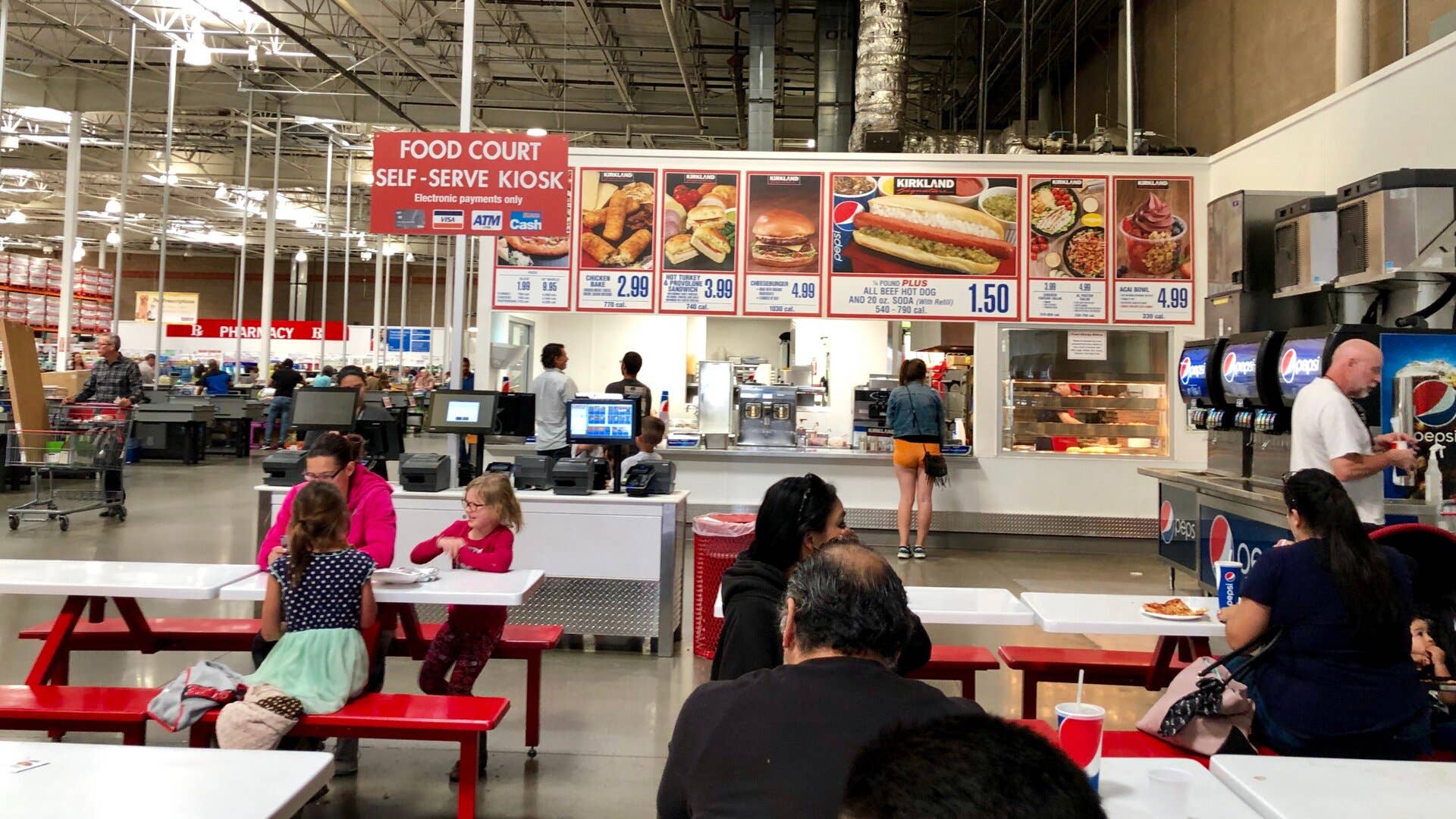
Home Depot clearly wants food to become part of the shopping experience. And it’s a concept that’s been proven to work, thanks to Costco’s famous food court.
Costco’s food court has become much more than a place to grab a cheap meal after shopping.
The retailer’s famously low-priced food offerings reinforce its broader value proposition and give shoppers another reason to make the trip to a warehouse.
Related: Costco makes a delivery change members will love
That strategy matters because Costco isn’t simply selling pizza, hot dogs, and drinks. The food court has become one of the retailer’s most recognizable perks and a small but powerful part of its customer loyalty strategy.
Home Depot’s approach is a bit different.
The company isn’t building a standardized food court with a national menu. Instead, it’s bringing local food trucks and vendors to individual stores.
That gives Home Depot something Costco doesn’t have to the same degree — a way to make individual stores feel more connected to their communities.
It also makes sense for the nature of a Home Depot visit.
Customers can spend hours shopping for materials, especially during a renovation or major project. A food truck outside the store gives them an easy option to grab breakfast or lunch without making another stop.
Shutterstock
Home Depot has good reason to keep customers coming back
The timing of the food truck initiative also makes sense for Home Depot.
The retailer reported $47.9 billion in second-quarter fiscal 2026 sales, up 5.7% from a year earlier, while comparable sales increased 1.7%. U.S. comparable sales rose 1.3%.
Home Depot said results exceeded its expectations and reaffirmed its full-year guidance.
But the company is still dealing with a challenging housing environment.
Home Depot executives said larger discretionary projects remain under pressure, while housing turnover has remained at historically low levels for several years. Higher mortgage rates have made consumers less willing or able to take on major renovation projects.
At the same time, Home Depot is dealing with rising fuel, energy, and other input costs. The company received $730 million in tariff refunds during the quarter, with $685 million reducing the cost of goods sold.
But executives said those benefits would be offset by incremental cost pressures during the year. That makes initiatives designed to improve the shopping experience and drive sales crucial.
A low-effort strategy that could yield big results
Home Depot is clearly invested in boosting revenue. Food trucks fit neatly into that strategy because they add convenience without requiring Home Depot to make a major investment in restaurants.
“Home Depot adding food trucks makes sense because the strongest retailers are increasingly thinking beyond the transaction,” said RTM Nexus CEO Dominick Miserandino.
More Retail:
- Costco sees major shift in member behavior
- Retail chain shuts all locations as legal changes hit industry
- Costco makes major investment in online shopping for members
“Costco’s food court works because it gives members another reason to linger, creates a little ritual around the shopping trip, and adds perceived value beyond the merchandise itself. Home Depot doesn’t need to become Costco, but anything that makes a high-consideration trip feel more convenient or enjoyable can strengthen the overall customer experience.”
If Costco’s food court can become a memorable part of the warehouse experience and reinforce the retailer’s value proposition, there’s a reasonable case that offering food can work for Home Depot, too.
For a customer who is already spending Saturday morning buying lumber, paint, and power tools, a good local breakfast or lunch waiting outside could be one more reason to make Home Depot the place they want to visit.
Maurie Backman owns shares of Costco.
Related: Walmart takes big step to make Sam’s Club memberships more valuable