There have been a host of reactions to the hot September CPI numbers released Oct. 14 across the U.S. economy, from the spiking 10-year Treasury yield to traders surging the probability of a Fed rate hike to 32.7% at its Oct. 27-28 meeting to new questions around the sustainable run rate for AI models.
Honestly, I don’t know why everyone is so surprised. I’m much more Main Street than Wall Street, and I knew the CPI year-over-year headline number of 3.7% was going to be higher than the 3.6% consensus.
That’s because every time I pay a bill or make a purchase, the price is always higher than expected. I’m getting whiplash checking out gas prices in my town. Plus, I finally turned the heat on (very low) because life in New England is turning its usual chilly self, and those outside temperatures are only going to keep dropping.
Now, I know I have no power over the Fed’s monetary policy decisions. I just cover what the U.S. central bank does and what its esteemed economists and policymakers say.
For example, the Fed’s Beige Book, released Oct. 14, was a bit “meh” overall, except for this ominous quote: “Firms in several Districts cited persistent uncertainty around energy and tariffs and expect that prices will increase further in the coming months.”
Inflation fuels tough price pressures across the economy
Now, over the past year of energy spikes, tariffs, the Iran war, and the hyperscaling of AI demand, everything in my life costs more, whether writing an insurance check, fueling my Honda Fit, or stocking my closet with new clothes due to the 60 pounds I’ve lost on a GLP-1 drug. (That’s another huge expense, BTW — literally nothing fits. My jeans are drooping down into dangerous territory. Even my shoes are flapping.)
So with my dwindling savings, new penny-pinching skills, and decimated monthly budget, I’m leaning Team Lower End of the K-Shaped Economy.
More Fed:
- J.P. Morgan sees Fed rate hikes going out with a bang this year
- October Fed rate hike hinges on two looming economic reports
Perfect example: There I was late last week just two days before hosting a birthday brunch for beloved family members and staring into an empty refrigerator. The kitchen shelves were just as sad. So, frankly, was my wallet.
I scribbled out the ingredients for the casually elegant brunch menu, looked at the Whole Foods app and quickly realized it would cost the equivalent of the GDP of a small country. Then I checked the same ingredients on the app for my beloved local supermarket — Hannaford, a division of Ahold Delhaize, the multinational retail holding company based in the Netherlands.
Those prices were still pretty gnarly. But I grabbed the car keys and headed into the store’s parking lot, grumbling, until I realized there was an Aldi across the street from Hannaford.
I banged a U-turn, as we say in New England, and made my food retailing debut at the no-frills German discount supermarket, which industry experts say is literally eating the lunch of other supermarket industry leaders.
I filled the shopping cart with everything on the list, hit the register, and started to pull four $20 bills out of my wallet. The total: $35.69.
I was giddily gobsmacked. That was less than half at the other two stores I researched. (And brunch was absolutely delish, according to the glowing reviews.)
Inflation creeps its way into Election Day
Monetary policy has two congressional mandates: maximum employment and price stability.
Fiscal policy is a tossup, most likely spewing political rhetoric or pork-barrel spending.
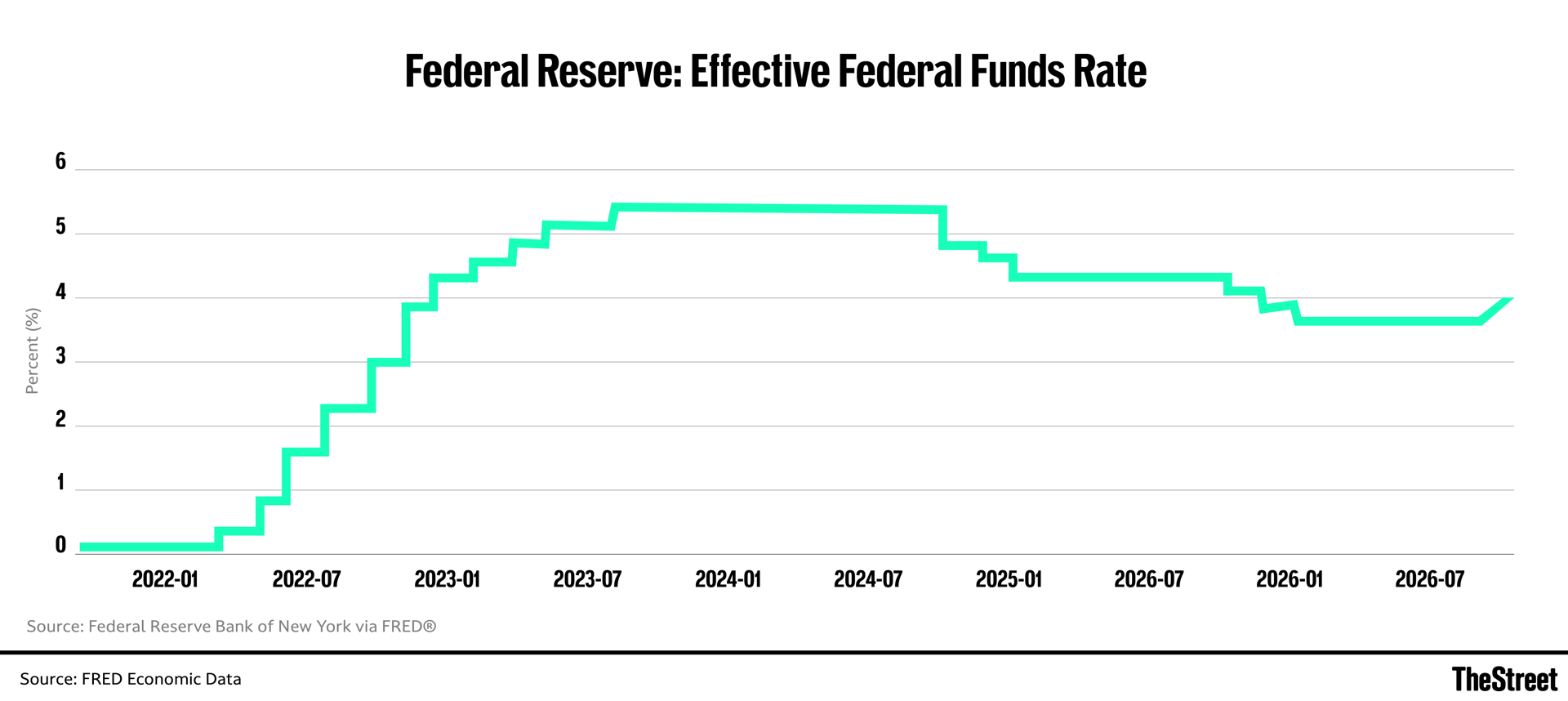
So whether the Fed hikes the benchmark Federal Funds Rate a quarter point to raise short-term interest rates on Oct. 27-28, Dec. 8-9, or both, the increase will have very little immediate impact on my day-to-day life.
The October meeting creates significant political and economic timing issues because a rate hike six days before Election Day might put the Fed’s independence under additional scrutiny.
The December meeting will offer a fresh look at job rates, inflation, and economic growth.
Related: Fed’s Waller does ‘about-face’ on interest-rate outlook as inflation surges
But, if over the long term, the rate hike or hikes relieve the price pressures that millions of American households, consumers, and families are paying, then it’s worthwhile.
Within days of the October Federal Open Market Committee meeting, many of these Americans will vote in the divisive midterm elections on Nov. 3.
There will be important local issues on the ballots: roads, schools, fire, police, and other community priorities from State Houses to our own houses.
There will also be 435 congressional seats, and 35 U.S. Senate seats on the ballot.
Americans will vote with their inflation-laden wallets in 2026
My Spidey Sense: Many of my fellow American voters are not going to think about the bull market, the Mag 7, or corporate earnings when they mark their ballots.
They are going to think about their wallets and the inverse correlation of high inflation and the quality of their lives.
They didn’t need to know the September CPI was up 3.7% year over year, or that gasoline prices soared 9.1% from the previous month and are up 34.2% from the previous year.
They know the foreboding feeling in their gut, the one that taints their bank accounts and shrinks their retirement portfolios.
That’s how they’ll vote.
Oh, and after I cast my ballot at the high-school gym, if you’re looking for me, I’ll be heading over to Aldi after deleting the Whole Foods app from my phone.
Bye, Felicia.
Related: J.P. Morgan sees Fed rate hikes going out with a bang this year