Let’s assume the news reports are correct: A deal will get struck in the next day or so that allows the Strait of Hormuz to reopen.
That raises two quick questions:
- How fast will retail gasoline prices fall?
- How quickly can the Strait of Hormuz be reopened?
$4 gas may not be far off
The short answer on the first question is retail prices may drop to $4 per gallon on a national basis in the next week or so. Prices may not fall to $3.50 a gallon until late fall or early winter, said Denton Cinquegrana, chief oil analyst at the Oil Price Information Service in New York. $3.50 was a number bandied about in June up to the July 4 holiday.
On the plus side, retail prices aren’t far away from $4.
Prices were down slightly on Aug. 4. AAA’s price was $4.089 a gallon, down slightly from Aug. 3’s $4.095. GasBuddy’s $4.065 price was down 0.2% from the Aug. 3 average of $4.073.
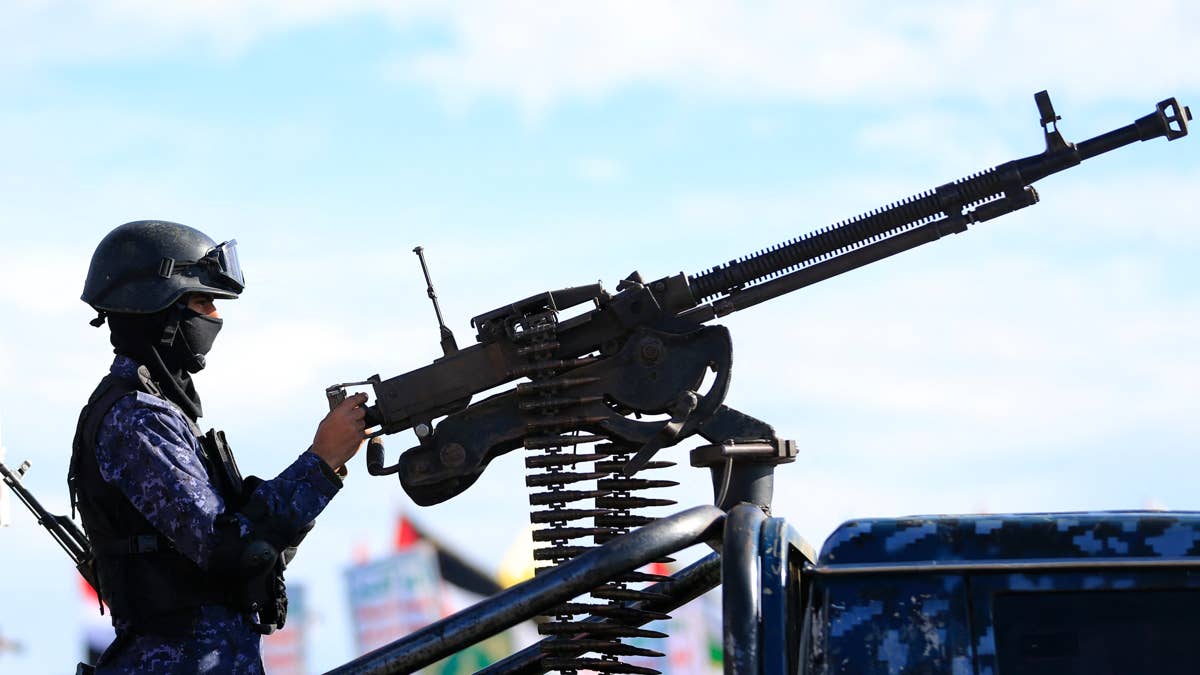
Mohammed HUWAIS / AFP / Getty Images
The strait cleanup will be only one challenge
Reopening the Strait of Hormuz will be a slower process largely because it has been mined and debris from damaged ships remains. So, there’s a lot of stuff to get cleaned up.
Moreover, Cinquegrana reminded, many countries tapped their national oil reserves to mitigate the price effects of the U.S. -Israel-Iran war erupted on Feb. 28 and to ensure they had enough energy for their internal needs.
Lastly, don’t forget the Ukraine-Russia War also is affecting oil prices, GasBuddy’s Patrick De Haan noted in a blog post. And there’s a risk that oil and gas prices may still rise, perhaps even this week.
Assuming the deal everyone is talking comes together and the shooting stops, countries will start refilling their storage, and that will put a floor on prices for consumers.
Related: Peace, no peace: Middle East turmoil leaves no one happy
All of this is built on Trump Administration comments that a deal with Iran on the strait will come together in the next day or so.
Some reinforcement to the idea came from officials in Qatar and Pakistan, who said progress toward a deal has been made. A Qatari foreign ministry spokesperson said drafts of terms have been circulating between Washington and Tehran, the Guardian newspaper reported.
At the same time, Iran and Oman have been talking about the rules governing passage for vessels through the Strait. For years before the war erupted in late winter, about 20% of global trade in crude oil passed through the strait every day.
More Oil & Gas:
- Iran de-escalation just hit energy stocks
- Drivers lose control over gas price squeeze
- Don’t Be Fooled by Monday’s Pullback, Treasury Yields Are Headed Higher
Markets flee from oil
Oil prices dropped sharply on Aug. 4 and hit their lowest closes since July 10, The Wall Street Journal said.
Brent crude, the global benchmark, fell 5.3% to $79.36, its first close below $80 a barrel since July 10. Brent has fallen nearly 10% since July 29.
Light sweet crude, the benchmark U.S. oil, fell 5.7% to $75.77 barrel in New York. It’s down 10.3% since July 29.
The oil-price drop has unleashed a huge rally in stocks, with the Dow Jones Industrial Average and Standard & Poor’s 500 Index hitting record closing levels and 52-week highs.
But energy stocks retreated.
- The State Street Energy Select Sector SPDR (XLE) exchange-traded fund slipped 0.5% to $58.52.
- Chevron (CVX), subject to a Trump accusation of profiting too excessively from the war, fell 1.4% to $190.40.
- ExxonMobil (XOM), subject to the same complaint, was down 0.7% to $153.96.
Related: Mark Zuckerberg’s data center: Bigger risk than your house