TheStreet aims to feature only the best products and services. If you buy something via one of our links, we may earn a commission.
Whether you like to road trip or jet off to a new international country every year, vacations, as fun as they can be, can also require quite a bit of prep work. Where are you going to stay? How are you going to get there? And, most importantly, what are you going to pack? With so many decisions to make to ensure that your getaway is fun and relaxing, it seems a bit silly that packing is such a prominent topic when you’re checking off your traveling to-do list, but a lot of times, the stress comes not from what you pack, but how you pack it.
With expensive bag-checking fees and changing weight limits and specifications on what you can travel with, packing a suitcase isn’t as easy as it once was. As of April 2026, most major U.S. airlines have increased the fees for checking a bag, with the last major carrier Southwest, finally transitioning to charging for checked bags as of May 2026. Whereas it was once free for your first checked bag — and at one point, fees were nonexistent entirely — these days, you can expect to pay upwards of $40 for that first checked bag, and a second bag even more. Those prices increase even more during extremely busy travel times thanks to surge pricing. And if your bag is overweight? That will be an additional fee.
As a solution, more and more folks are opting for carry-on bags to avoid those high-cost traveling fees. Available in backpack, duffel bag, and rolling styles, carry-on bags aren’t just convenient ways to save on checking fees. They offer a variety of advantages. In addition to skipping out on paying an extra $40+ dollars at the ticket counter, they make travel in general easier and less time-consuming. With a carry-on, you can skip baggage claim entirely. No need to wait around for an additional 15 to 45 minutes (or in some major hubs, a whopping 60 minutes) trying to find the proper luggage carousel and then waiting for your own luggage to unload.
By not checking bags, you also eliminate the risk of lost or damaged luggage. With a carry-on, you’re able to keep your items directly under your supervision and can ensure that your bags stay safe and secure under your watchful eye. Most importantly, carry-ons are the perfect solution for the chronic overpacker. With checked luggage, you often have much more space to work with, meaning you can overpack to your heart’s desire, adding in an extra pair of shoes or some T-shirts at the last minute. With a carry-on, you’re working with more limited space, so you have to be more intentional about what you’re packing.
Whatever your reason might be for opting for a carry-on, when it comes to choosing the right one, there can be a few things to consider. Many people assume that a slightly smaller bag is automatically a good carry-on, but that’s not true. Depending on where you plan to store your bag in flight, you need to consider specific measurements. Standard carry-on measurements for most U.S. airlines for overhead luggage are 22 inches by 14 inches by 9 inches, but under-seat storage needs to measure between 18 inches by 14 inches by 8 inches. As to what kind of carry-on is right for you? Here’s a bit to know about the different styles and why they can be beneficial to you.
Backpacks
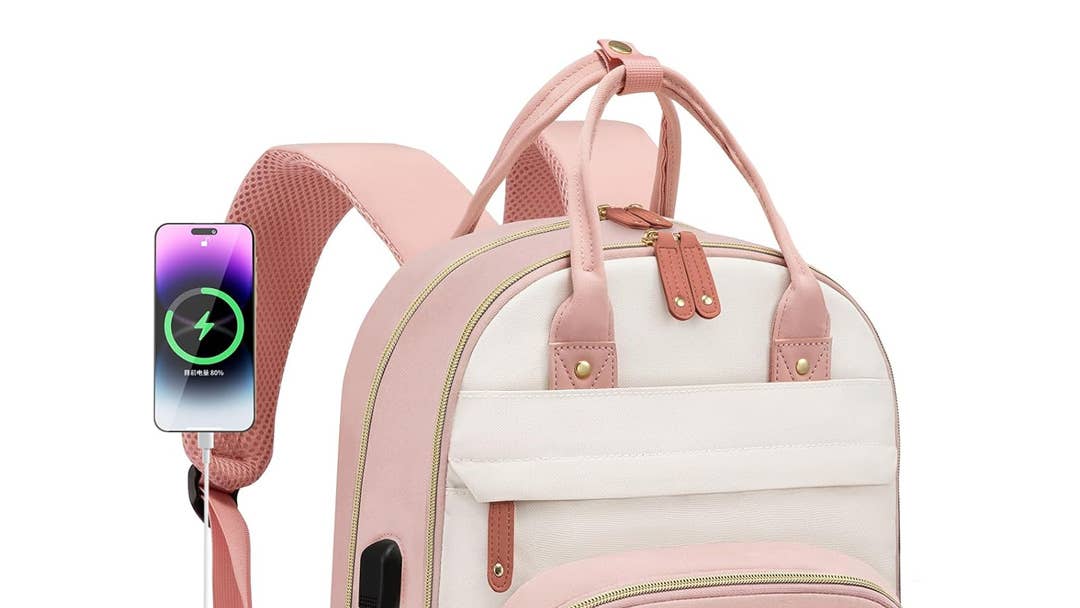
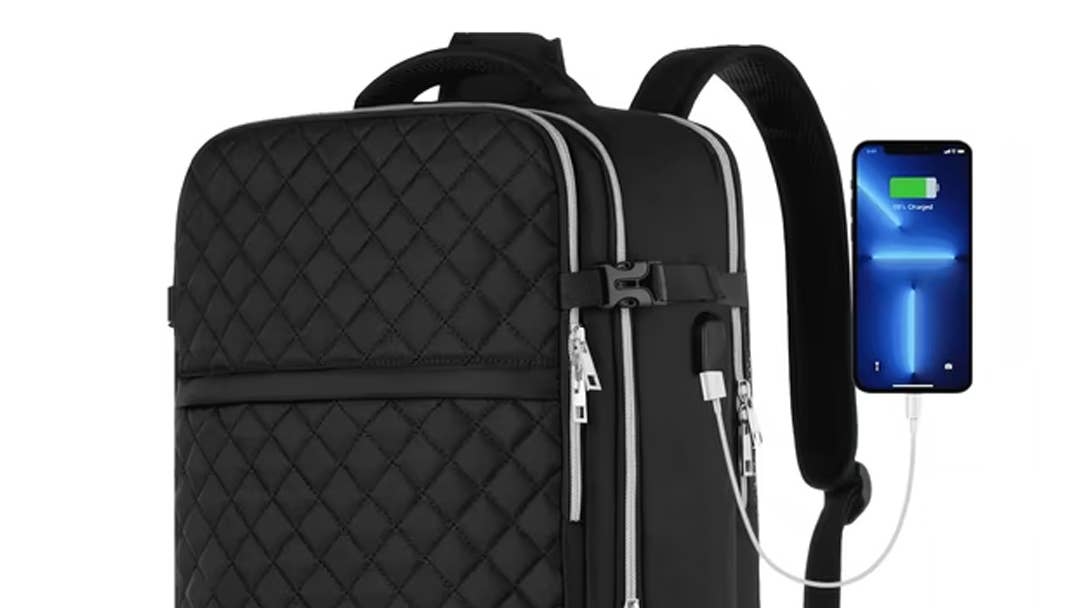
When people think of carry-on, they often think of a backpack. Before brands started designing carry-on specific bags, backpacks were the obvious choice when you didn’t want to check luggage. Their compact yet spacious design made them easy to slide under a seat or toss into an overhead bin, and their versatility can’t be praised enough because you can use them on a plane and at your destination. Unlike a duffel bag or rolling suitcase, you can empty your backpack once you’ve reached your destination and use it while you participate in your planned activities and explore your surroundings.
Backpacks offer superior mobility, since you aren’t restricted to certain flat surfaces the way rolling bags are, and they provide hands-free convenience since your back does all the hard work of carrying. They’re often less bulky than other carry-on styles, allowing you to better and more quickly navigate crowded terminals and narrow plane aisles. Because they are often made with softer fabrics, they’re more flexible, which means even when they are packed to the brim, you’re more easily able to store them when it comes time for take off. The extra pockets in backpacks also provide better storage spaces for smaller items like jewelry — something that can be lacking in other styles of bags.
Lovevook Travel Backpack
Irinna Travel Backpack
Duffel Bags and Weekenders
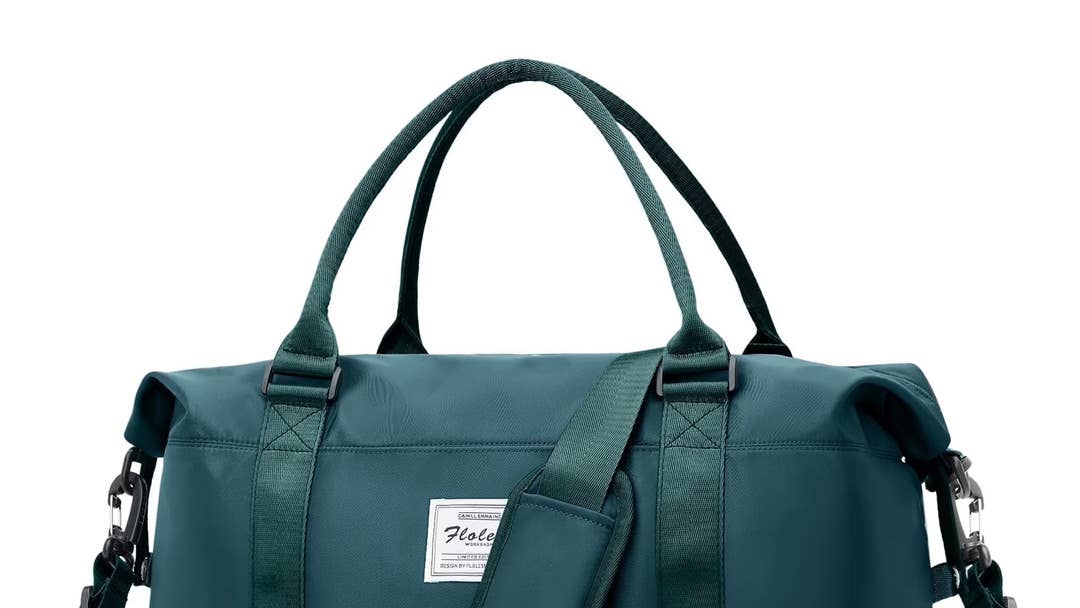
Like carry-on backpacks, duffel bags and weekenders have better flexibility for storage thanks to their soft-sided design. However, unlike carry-on backpacks, the two typically are slightly bigger and offer more storage space. In staying within the airline sizing requirements for a carry-on, duffel bags and weekenders typically offer 40 liters of space. They feature wider openings for packing, giving you quicker access to items compared to top-loading suitcases as well as making it easier to pack in general.
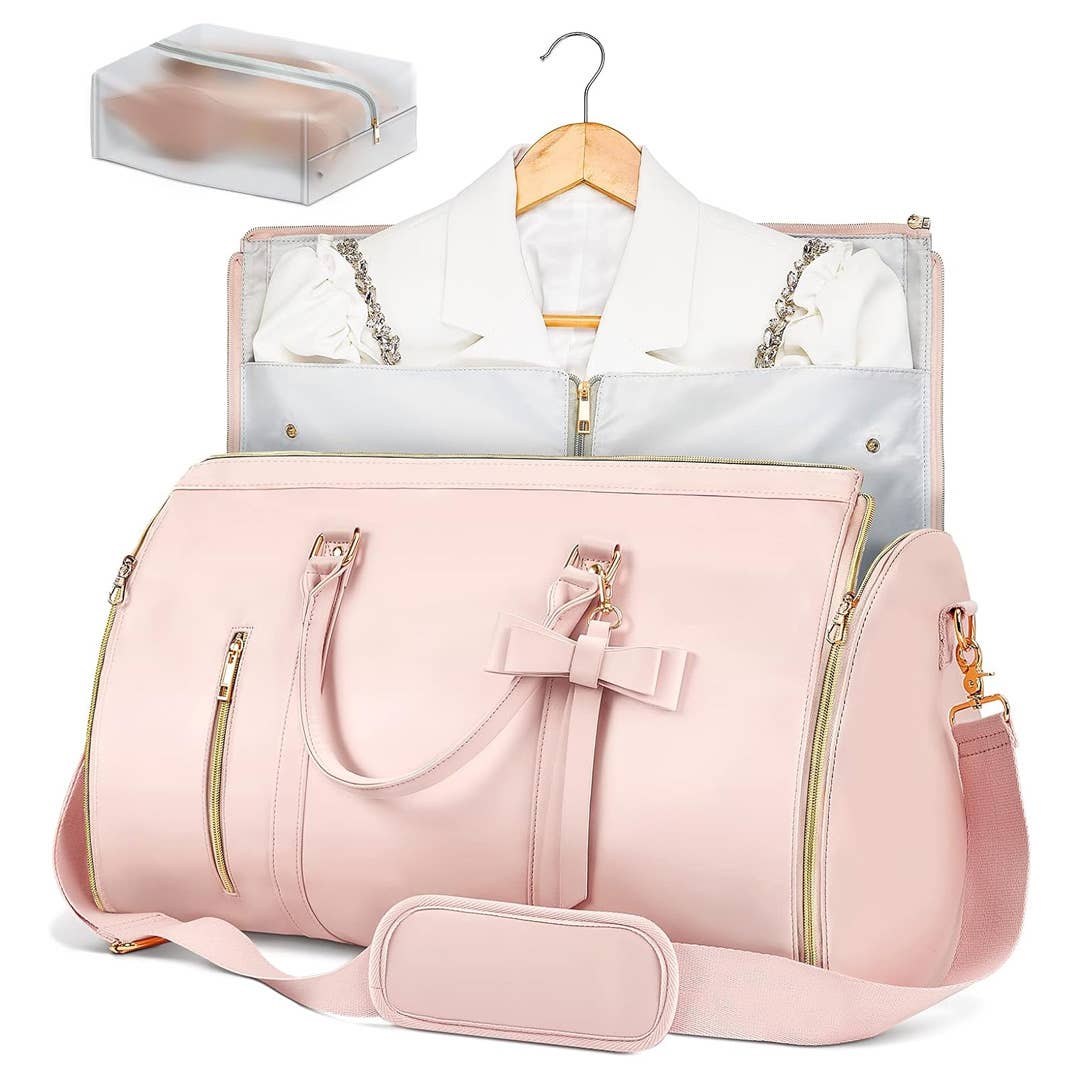
Many duffels and weekenders also have built-in interior compartments, which make it easy to organize your clothing or designate pockets for specific items, like wet bathing suits. What’s great about duffel bags and weekenders is that they are versatile and are just as useful when you’re not traveling. Many double as the perfect gym bag, and they work just as well for a weeklong trip somewhere tropical on a plane or a quick weekend getaway in the car. Many styles are built to handle more sensitive garments like formal wear. In fact, there are a few multi-use duffels that can function as a garment bag but then roll up for use as a duffel for easier transportation. Others feature separate bottom compartments for shoes so that your clothes won’t get dirty.
Sthmeooht 2-in-1 Foldable Duffle and Garment Bag
Sycnb Weekender Overnight Bag
Rolling Carry-On Bags
Rolling bags take away the strain that backpacks, duffels, and weekenders can cause on your back and shoulders. Many feature four-wheel spinners that turn 360 degrees so you can navigate it easily from the car park to the terminal, the plane to the hotel. Instead of dealing with achy backs and tense shoulders, you can easily glide on smooth surfaces with a simple push or pull of the bag. Not only are rolling bags easier to maneuver but many have hard-shell casings that provide extra protection to fragile items. That said, the structured, hard design is what makes measuring ahead of time important, since it doesn’t have the same flexibility as soft bags do to fit into spaces with some extra elbow grease.
Many rolling bags also have some fun extra features like built-in USB ports for easy charging, TSA-approved locks, and extra pockets on the exterior for items you’d want easy access to like laptops or toiletries. Some even recognize the limiting capabilities of the wheels and have backpack straps for navigating areas with stairs or uneven surfaces.
Wrangler Smart Spinner Luggage Set
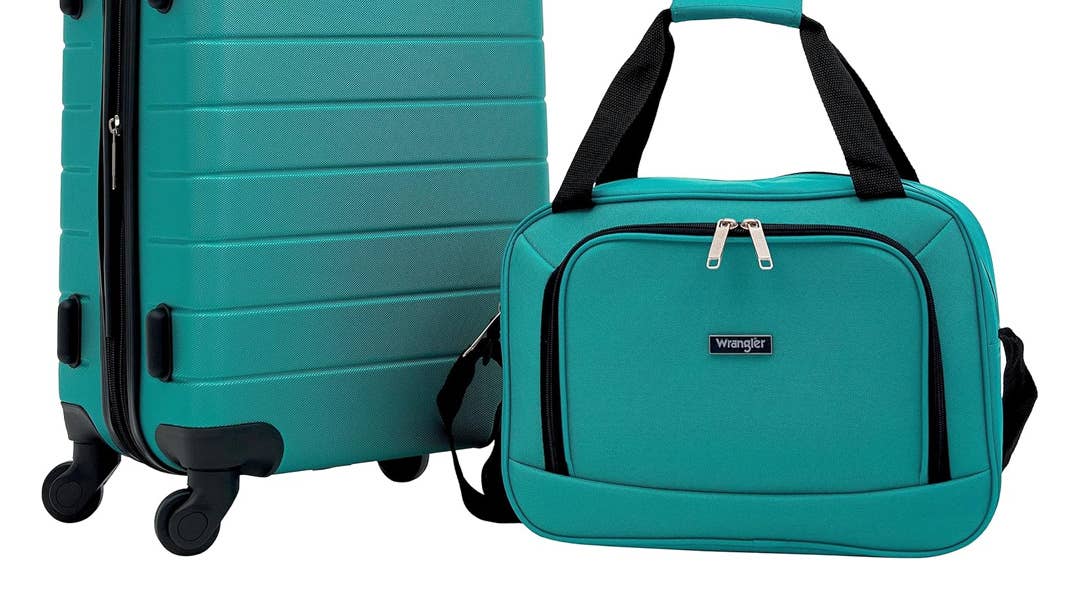
Open Story Hardwise Carry-On Suitcase

What carry-on works best for you?
The great thing about any of these styles is that they work for all kinds of trips, but if you need advice on finding the right one for you, it’s best to consider what kinds of trips you’ll be using it for. For a weekend trip or road trip, a backpack, duffel, or weekender might be best for you. When you’re packing a car, flexibility is important, and those three styles will offer you that. They are also smaller, perfect for holding items for a short vacation compared to a long one. Backpacks and rolling luggage would be best for vacationers who are going on extended trips, or to locations where they’ll be on the go a lot. Your backpack can be used at your destination during day trips, even though it is on the smaller size. Your rolling carry-on provides the most space, perfect if you’re planning on staying somewhere for more than five or six days. When it comes down to it, it all depends on what characteristics you value most as well as price. Carry-ons overall are a more cost-effective option because they’re far cheaper than what most quality luggage sells for these days, and that’s before the savings you get from not having to check that luggage. And if you need more than one, you can often save by investing in multi-piece sets, which include a variety of all three styles, giving you the best of both worlds.