Slowly, very slowly, a deal that may stop the fighting in the Middle East was finally agreed to and announced. At least from Pakistan and President Trump on June 14.
And U.S. gasoline prices, now averaging about $4 a gallon, are down about 12% from their peak in mid-May. And they should continue to decline.
The deal, in the form of a memorandum of understanding, was announced by Pakistani Prime Minister Shehbaz Sharif first, and then minutes later by President Trump.
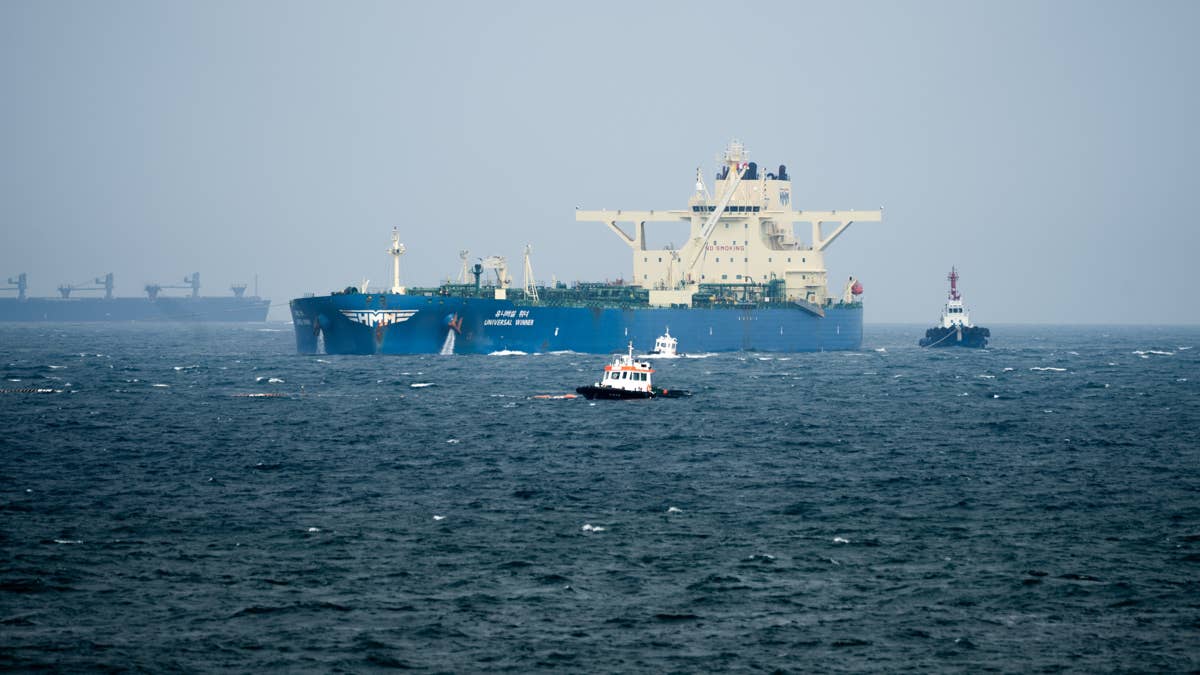
It will start the process of reopening the Strait of Hormuz.
The strait links the Persian Gulf to the Indian Ocean and is the key waterway through which 20% of the world’s crude oil flows through in normal times.
All this is great news for consumers, and investors were pushing stock prices up globally in response. But there are a few caveats:
- While Iran has agreed to the ceasefire and additional negotiations later, its deputy foreign minister said Iran’s commitments won’t take effect until Friday. Moreover, according to the Guardian newspaper, Mehr, Iran’s semiofficial news service, said the strait may not open for many as 30 days.
- Management of the Strait of Hormuz will be the joint responsibility of Iran and Oman.
- Iran insists it will be the manager of the strait, but it is not clear if Iranian officials will demand “service fees” — payments of as much as $2 million in cryptocurrency or Chinese yuan from ships passing through.
More Oil and Gas:
- Crude oil price spike signals harsh reality check
- Lower Oil Doesn’t Help a Market in Need of Rest
- A Smart Setup on a Gold Miner Amid Oil’s Sudden Slide, Weaker Dollar
Will prices drop back to 2025 levels?
U.S. gas prices over the weekend were running at about $4 a gallon nationally, down about 12% since peaking at $4.566 a gallon on May 20, according to GasBuddy.com data. (AAA put the price at $4.07, but its report uses data that’s multi-hours old.)
Prices vary widely by state, largely a function of the taxes and fees states and local government add. On June 14, the highest prices were still found in California ($5.72 a gallon average). Indiana had the lowest statewide average, $3.338 a gallon.
The truth is: Don’t expect oil prices to land near where they ended 2025 any time soon.
That said, a cease-fire that sticks would be great for consumers in the United States and elsewhere. Economists at JPMorgan Chase have said past research shows a decline of $1 a gallon in retail gas prices would put $1 billion into everyone’s pocketbooks. That would give some major relief to lower-income families.
Here are the numbers to use in judging this question. GasBuddy’s data showed the U.S. average price was $2.82 a gallon on Dec. 31.
AAA’s year-end price was $2.84.
Light sweet crude finished 2025 at $57.42 a gallon. It closed at $84.88 on June 12 and peaked at $119.48 on March 9.
The immediate work ahead
Making the strait fully operable and safe will take some time.
Mines laid in the strait by Iranian forces will have to be collected and disarmed. The number of mines is not known. But, on May 20, the Jerusalem Post reported at least 10 mines had been identified. But the U.S. Navy had already found and removed additional mines, the report said.
In addition, insurance syndicates organized through Lloyds of London will want to see real evidence that the Strait is open without disruptions, without charges, and without attacks. Most oil tankers operating in the Middle East are insured by Lloyds.
Hwawon Ceci Lee / Anadolu / Getty Images
The deal is just the first step
The June 14 memorandum of understanding calls for Iran, the United States, Israel, the U.S. allies in the Persian Gulf to stop fighting. It nearly came apart over the weekend after Hezbollah and Israel were fighting.
In addition to the reopening of the Strait of Hormuz, the memorandum calls for the United States to end its blockade of ships trying to leave Iranian waters.
And then some of the hardest negotiations will begin on:
- Arranging the removal of nuclear fuels from Iran.
- Freeing up some $ 26 billion in financial assets (The total may be as much as $100 billion) that belong to Iran but are held by countries outside the Persian gulf.
The war erupted between the United States and Israel and Iran on Feb. 28. A top objective was to gain control of and remove 100 pounds or so of nuclear materials that Israel and the United States thought they had destroyed in attacks in June 2025.
Related: Gas prices may surprise you next time you’re at the pump