Salary negotiations are rarely ever comfortable, but they’re almost always worth it.
Some 55% of workers do not negotiate over salary, choosing to accept a company’s initial offer without question, according to a survey from Resume Genius. However, of the 45% who do negotiate, 8 in 10 report receiving a better offer.
Detroit Pistons center Jalen Duren learned that lesson first-hand this fall, when he waited until the eleventh hour to sign a contract, ultimately walking away with a five-year, $200 million deal.
Duren was willing to wait for the right offer
On June 30, after three seasons with the Pistons, Duren became a restricted free agent.
The team initially offered him a five-year extension worth $195 million, or $92 million less than what he was eligible for, which led to a standoff that lasted for weeks and kept the veteran from attending the first three days of training camp.
Still, the Pistons said they were committed to keeping Duren on board and worked to meet the player with a deal that appealed to both parties.
Also read: Stephen Curry left $20 million on the table to stay a Warrior
Over the summer, the organization reportedly offered the center everything from $170 million to $190 million contracts, as well as a one-year $9.6 million qualifying offer.
Finally, on October 1, shortly before the deadline for the qualifying offer, Duren agreed to sign a five-year, guaranteed, $200 million deal.
“The most important thing for us was having JD back with us, and I know JD wanted to be back,” Pistons’ Head Coach J.B. Bickerstaff told the Associated Press. “All that stuff that was floating (around), we know what’s real. It’s a negotiating process and we went through the process and we knew he’d be back.”
Despite missing out on some pre-season work, Bickerstaff is confident Duren will be ready to go by the time the season starts.
“We have plenty of time before opening night,” he told The Detroit News. “If time is needed for a ramp-up, we will give him that time. We will see what he looks like when he gets here, but knowing J.D., he is working his tail off no matter where he is, so when he gets here, he’ll be ready to do what we need him to do.”
During the 2025-2026 season, Duren averaged 19.5 points and 10.5 rebounds per game, helping the Pistons reach the second round of the playoffs.
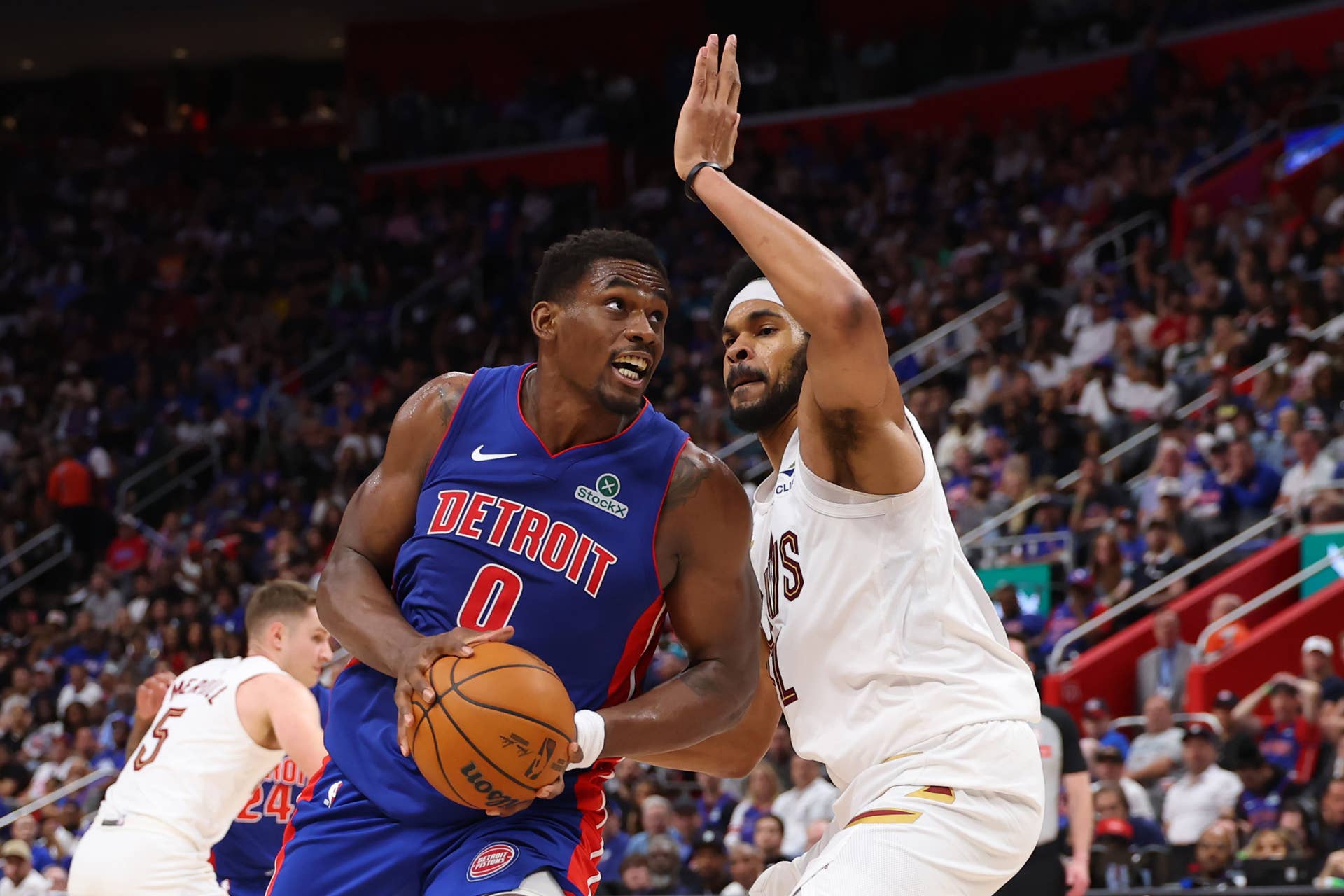
Duren’s contract is a lesson for anyone negotiating a salary
While the average person may not net an additional $5 million through salary negotiations, countering an employer’s initial offer can make a significant difference in how much you wind up taking home.
A study from the Pew Research Center found that among workers who do ask for higher pay, 28% are given the pay they asked for, 38% say they got more than was originally offered but less than they had asked for, and 35% say they were only given what was first offered.
Duren’s situation also highlights one of the biggest advantages an employee can have during salary negotiations: leverage.
As a restricted free agent, he had the option to accept Detroit’s $9.6 million offer, while betting that another team would snap him up for a higher price in 2027.
That status gave him the opportunity to hold out for the contract he wanted, rather than agreeing to the Pistons initial proposal.
It’s a principle that applies to employees in all industries — having things like another job offer, strong performance reviews, specialized skills, and a clear understanding of the market rate can make it easier to push back on a company’s initial salary proposal, especially if it’s on the lower end.
Duren’s $5 million increase may be an extreme example, but it shows what can happen when an employee knows their value and is willing to negotiate for it.
Sure, you may hear “no.” Or, like Duren, you may be in the 80% who can spin their leverage into a significantly higher salary.