While Stellantis doesn’t report its first-quarter results until Thursday, April 30, news is already breaking about the company’s future plans.
Stellantis is scrapping its old investment strategy, in which each of its 14 brands received nearly equal funding, for a new strategy in which the top-4 brands receive most of the investment, while the others become more regional brands, Reuters reported, citing five sources with knowledge of the company’s plans.
New CEO Antonio Filosa cut his teeth in the North American market and has made reviving the company’s status in the region as one of his guiding principles. But part of the company’s new plan means that some of Stellantis U.S.-based brands, Jeep, Dodge, Ram, and Chrysler, could see some major changes as well.
Stellantis is the product of the 2021 merger of Fiat Chrysler and Groupe PSA. The tie-up created a multinational mega company. However, after peaking and more than doubling in value in 2024, the company’s valuation has cratered over the past 16 months and is now trading well below its debut level.
Stellantis held 20% of the European market share in 2021, while its U.S. market share was 12%. However, by last year, those numbers eroded to 14.3% and 7.7%, respectively.
That drop contributed to the dismissal of former CEO Carlos Tavares in late 2024.
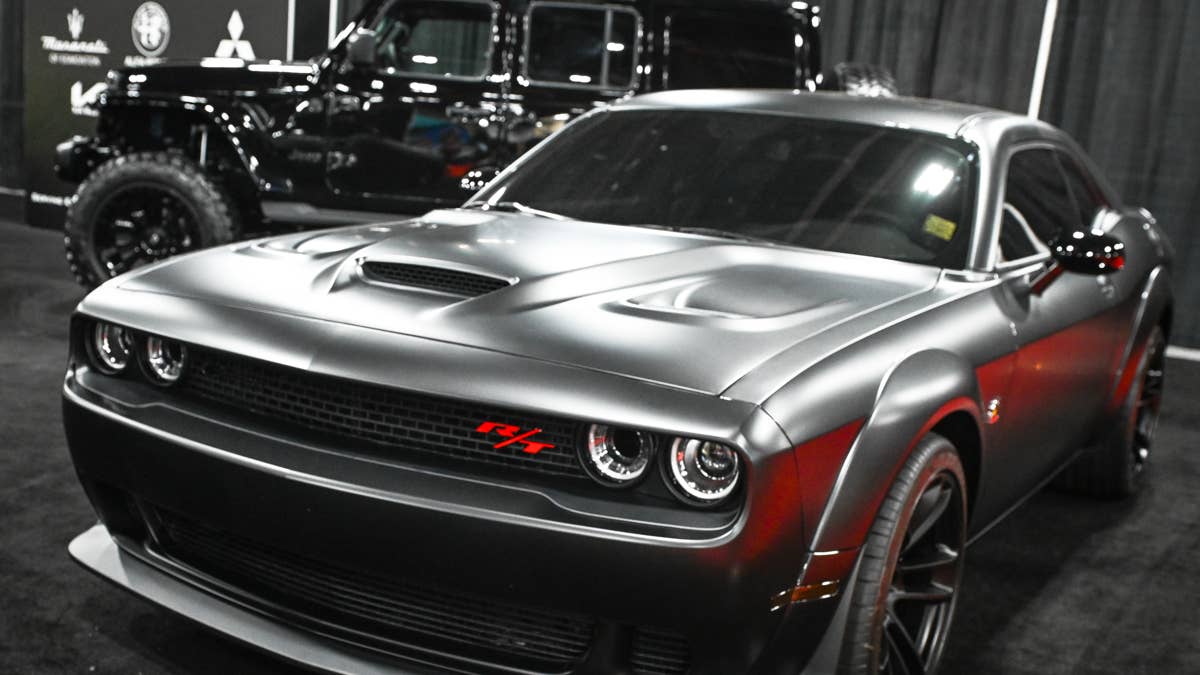
Stellantis chooses which brands to prioritize
Stellantis CEO Antonio Filosa will focus the company’s investments on Jeep and Ram in the U.S. and Peugeot and Fiat in Europe, Reuters reported.
The company’s other 10 brands, like Citroen, Opel, Dodge and Chrysler, will be used “tactically in specific countries and market segments.” Stellantis could rebadge some models for specific local markets, and it will also repurpose the technological and platform advancements from its core brands for use in the non-core brands.
What Stellantis won’t do, according to a “top executive”, is shutter some of its brands, at least for now. According to the report, the company’s new plan isn’t about shrinking the portfolio, despite the strategy change.
Analysts, as they did with his predecessor, have wondered aloud whether Filosa should drop some brands. But the company has no plans to budge on that matter, and according to the report, Stellantis’ new plan has the backing of major investors, including its top shareholder, Exor.
“Stellantis’ unique combination of global scale with deep local roots allows us to help each brand express its distinctive history, character and strengths to meet the needs and preferences of our customers wherever they are, whatever they want,” the company told TheStreet Monday.
Under former CEO Carlos Tavares’ leadership, Stellantis laid off American factory workers, shuffled its C-suite, and forced its U.S. brands to push products that American customers didn’t like.
Meanwhile, when Filosa took over, he indicated he would keep his title of director of North America as he moved the CEO’s office to Detroit, Michigan. Stellantis revealed last May that it will build a $388 million “Megahub” in Van Buren Township, just outside Detroit.
Stellantis focuses on local roots
On April 15, Stellantis reported global Q1 shipments of 1.4 million, a 12% year-over-year increase. Additionally, the company said the increase was driven by “enlarged Europe and North America.”
The company shipped 379,000 vehicles in North America in the first quarter, 54,000 vehicles more than it did a year ago. But its success wasn’t limited to the West.
The company’s European operations saw shipments increase by 69,000 units, or 12%, to 637,000.
The North American growth was driven by strong Ram 1500 Hemi V8 shipments, the refreshed Jeep Grand Wagoneer, and the new Jeep Cherokee, which accounted for more than 100% of year-over-year growth.
Meanwhile, European growth was spurred by steady light commercial vehicle shipments as well as growth at FIAT, Opel/Vauxhall and Citroën brands, which the company says benefited from the performance of its Smart Car platform.
When Filosa took over last June, the company reported a 14% year-over-year decline in revenue as consolidated shipments fell 9% to 1.2 million. At the time, the company blamed the declines on lower North American production.
This year’s results are a complete reversal from Stellantis Q1 results a year ago, when the firm reported a 12% decrease in U.S. sales, despite a 16% increase in Ram brand sales and a 1% increase in Chrysler brand sales. Jeep brand sales increased by 2%.
Related: Stellantis sees major shift in Ram 1500, Jeep customer behavior