Jim Cramer’s opinion on VF Corp has shifted.
The CNBC host said investors should buy VF Corp (VFC), the owner of Vans, The North Face, and Timberland, after Piper Sandler and Truist both upgraded the beaten-down apparel stock and set $20 price targets.
The reason is Vans.
The sneaker brand has been VF Corp’s biggest turnaround problem, with sales falling nearly 50% since fiscal 2022, according to CNBC. But new consumer data, stronger store traffic, and improving direct sales are giving Wall Street something it has not had for years: evidence that Vans may finally be finding a bottom.
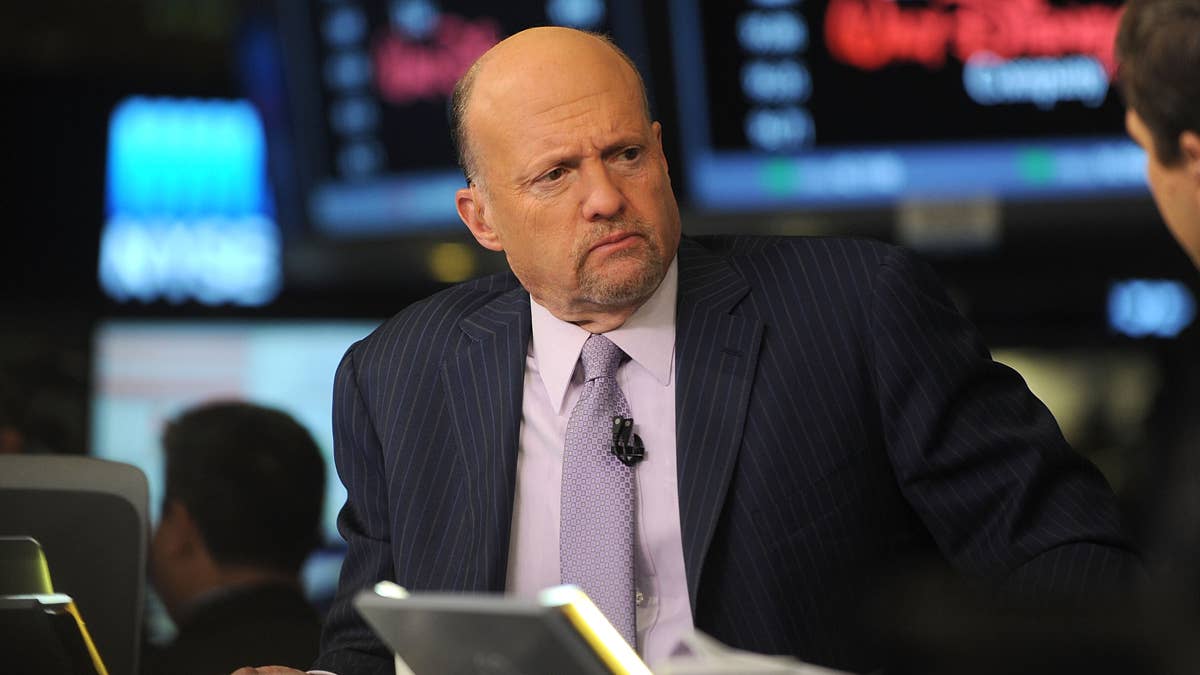
“These upgrades have changed my mind about VF Corp and Kontoor,” Cramer said on CNBC’s “Mad Money.”
“Down here, I think both stocks are buys.”
The call is noteworthy, since Cramer said that given the danger to consumer spending posed by increasing interest rates and oil costs, he has often been reluctant to suggest clothing companies.
This time, he believes VF Corp’s value already accounts for a large portion of that suffering. Cramer also thinks investors may see Vans quite differently if the company is actually coming around.
Vans gives Cramer a reason to change his mind
Cramer’s change seems to have been mostly influenced by Piper Sandler’s fall teen poll.
After years of decline in the study, Vans maintained its seventh-place ranking among male teens’ preferred footwear brands. Vans rose to tenth place among male teenagers with higher incomes.
It may not sound dramatic, but it is for VF Corp.
Related: Jim Cramer exposes harsh truth about retirement investing
Vans’ sales have decreased for four fiscal years in a row, with double-digit drops in the last three. Bracken Darrell’s efforts to revive the brand were hampered by a company that was previously one of VF’s best.
Additionally, Piper Sandler discovered that teens are becoming more interested in non-athletic footwear, which might benefit Vans as buyers shift toward more fashionable looks.
Another positive indicator comes from store traffic. Vans’ September traffic was at its highest level since February 2023, according to the statistics covered by CNBC.
Truist perceives a comparable opportunity. The company also set a $20 target and upgraded VF Corp to a buy-equivalent rating, claiming that Vans would profit from the shift away from sports footwear, The Fly noted.
Both goals suggest significant gains from VF Corp’s closing price of $17 on Oct. 15.
Cramer’s response was forceful. “If the teen survey says buy VF Corp, then I have to say buy, buy, buy,” he said.
VF Corp’s own results provide signs that the company could be heading in the same way. Vans’ revenue still declined 8% in VF’s fiscal first quarter, or 9% on a constant-currency basis. But its Americas direct-to-consumer business continued growing, while wholesale weakness drove the overall decline, according to VF Corp.
Explosive growth is not necessary to start the Vans turnaround. Still, traffic, customer interest, and direct demand must stop declining before sales may rebound.
Wall Street is beginning to pay attention to those exact indications.
VF Corp has more going right than Vans
When you consider Vans alongside the rest of VF Corp, Cramer’s thesis becomes more compelling.
The North Face revenue increased 6% in the latest reported quarter, while Timberland grew 4%. Vans remained down 8%.
VF Corp also reported that net debt fell $1.1 billion, or 20%, from a year earlier. Management raised its fiscal 2027 constant-currency revenue outlook to growth of at least 2%, compared with its previous forecast of 1% to 2%.
CEO Bracken Darrell said Vans’ Americas direct-to-consumer business continued to grow and that the company expects Vans wholesale performance to improve significantly during the second half of the fiscal year.
Those are important pieces of Cramer’s call.
His wager is not limited to the possibility that youngsters may once again like Vans footwear. While early signs at Vans improve, VF Corp has been reducing debt, improving its outlook, and receiving growth from Timberland and The North Face.
Cramer brought up value as well. VF Corp is trading at around 16 times estimated 2027 profits, according to CNBC. Cramer said that the share price already reflects the challenging consumer environment.
“Normally, I’d hesitate to recommend apparel stocks at this point in the business cycle,” Cramer added, explaining that VF Corp and Kontoor Brands have already fallen sharply from their highs and trade at depressed valuations.
This results in a really straightforward thesis.
Vans is not necessary for VF Corp to regain its position as America’s most popular shoe brand. Timberland and the North Face are already expanding. Debt is decreasing. The management has improved their forecast for revenue.
Yet the arithmetic around VF Corp alters significantly if Vans can go from being a hindrance to being just steady and ultimately resume growing.
For this reason, two analyst upgrades, improved store traffic, and a teen poll were sufficient to persuade Cramer to rethink his view.
Investors questioned how much worse Vans might become for years.
Now, Cramer is speculating that the more lucrative topic could be what happens if things eventually improve.