The cereal aisle at your local grocery may look more or less the same as it always has, but behind those colorful boxes lies a bigger story: the long-term decline in cereal sales.
Billions of people still buy it every year, but not the way they did 20 years ago. There are a few reasons for this.
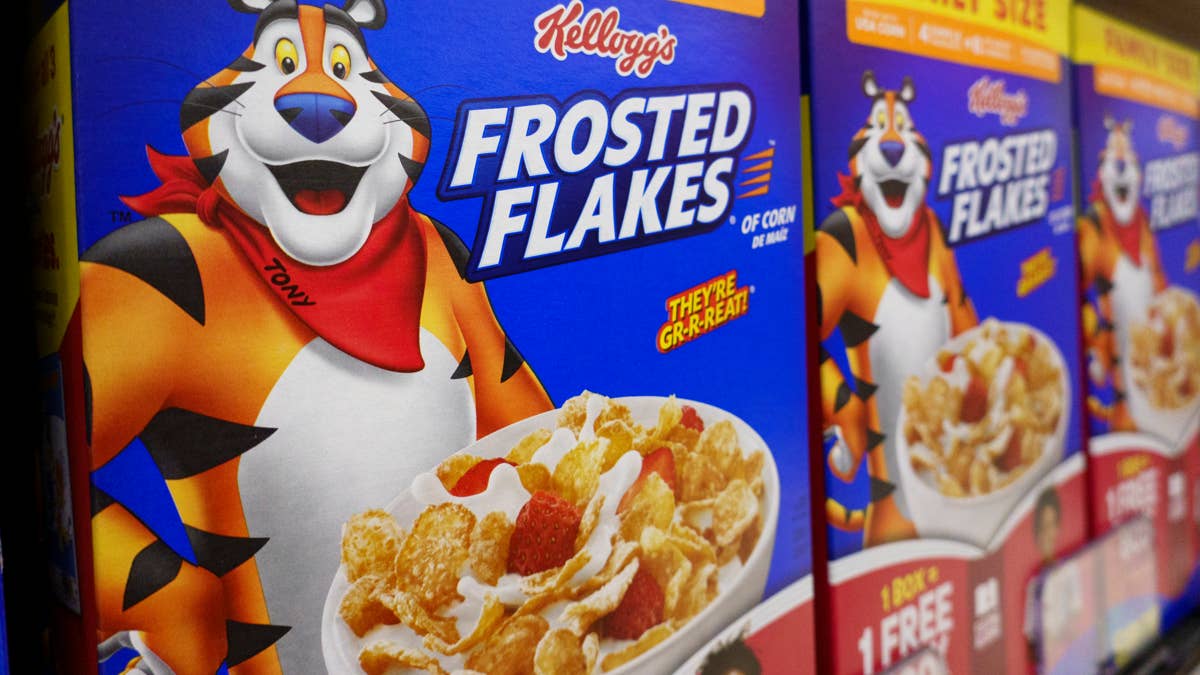
Public awareness of the health effects of high sugar consumption has risen significantly, leading people to avoid longtime brands like Frosted Flakes, Lucky Charms, and Froot Loops in favor of healthier options. Many brands have responded with low-sugar versions of their classics, but it hasn’t translated to a full recovery.
Another reason is the recent trend of high-protein breakfasts. While all age groups are reaching for options such as Greek yogurt and cottage cheese because of this, Gen Z specifically is steering clear of the cereal aisle, Food Dive notes.
The one exception is healthier cereal brands like Magic Spoon, which is wreaking havoc for longtime players in the space, including WK Kellogg Co and General Mills.
General Mills reported a 2% decrease in net sales at the end of 2025, and operating profit was down 4%. It’s not that the company isn’t profitable; it still made $19.5 billion in net sales. But the steady downward trend is a worrisome sign for any major company, and naturally, that warrants a strategic pivot.
WK Kellogg has a move in mind, and it’s doing something to attract new customers that it hasn’t tried in more than a decade.
WK Kellogg targets a brand new audience
With younger consumers turning away from cereal more and more, WK Kellogg has decided to appeal to a new demographic with perhaps the most powerful weapon in its arsenal: nostalgia.
In a collaboration for the release of “Toy Story 5,” toys are back in boxes of Frosted Flakes and Froot Loops. They are shaped like Woody, Buzz Lightyear, and Jessie, and the head is removable to reveal a usable spoon.
They launched in April ahead of the film, but the target consumer isn’t kids. It’s Millennials and Gen X.
“At Kellogg’s, there’s a real sense of childhood nostalgia tied to the moments families remember most — and breakfast is a big part of that,” said Laura Newman, VP brand marketing.
“Collaborating with ‘Toy Story 5,’ which explores the role of toys in a tech-driven world, made this moment even more meaningful.”
Bringing toys back inside the box reintroduces that sense of discovery through a simple, screen-free moment of play that parents can now share with their own kids.
The company has leaned into the same strategy with other products, such as its Cereal Straws, which encourage consumers to blow bubbles into their cereal milk as they did during childhood.
Meanwhile, General Mills is trying a different approach by plastering its flagship products with popular new IPs such as “K-Pop Demon Hunters.”
The rise of nostalgia marketing
Everywhere you look, nostalgia marketing has a foothold.
Taco Bell does it every time it brings back cult-favorite menu items from the early 2000s. Jeans with a ’90s cut are back in fashion, and Gap tapped Hailey Bieber for its campaign to sell them, Adweek noted. Hasbro even relaunched Furby back in 2023.
More food & drink:
- Starbucks CEO says your local store may not survive
- Taco Bell outbreak deals blow to parent company’s finances
- Convenience store giant takes on Coca-Cola and Pepsi
Cyclical trends are nothing new, but what’s notable about the ’90s resurgence is that the audience is twofold. It attracts Millennials and Gen Xers who lived through the era, but it also captures the interest of Gen Z, who have become fascinated with a pre-social media world and have started to buy disposable cameras and CD players to experience what they missed.
Cereal faces a steeper challenge with this approach, since both Millennials and Gen Z are aware of the dangers of high-sugar foods. But by leaning into the nostalgia aspect, marketers hope to tap into consumers’ desire for familiarity and comfort, as well as fond memories of a bygone era.
“There’s a return to nostalgia across a lot of brands, and it’s probably because there’s so much noise in the world right now,” Gregor Johnston, creative director at brand agency Bulletproof, told FoodDive.
“That desire for certainty and normality is what drives it.”