A house is worth whatever you say it is worth, right up until the day you list it. Then the number stops being yours.
Warner Bros. Discovery (WBD) has been living inside that gap since last September, when Paramount Skydance (PSKY) began circling a company that was, at the time, busy planning to split itself into two.
Eleven months, one auction, a signed Netflix (NFLX) agreement, a hostile tender offer and a reversal later, the price is settled at $31 a share in cash.
What is not settled is whether the sale happens at all.
So the studio keeps making things while a federal judge in California decides who ends up owning it. Until recently, most of what Warner Bros. made this year did not strengthen the argument that DC is worth much.
“Supergirl” ended its theatrical run in July at $125.9 million worldwide, against a reported $170 million budget, the weakest global gross of any modern DC film, according to Box Office Mojo.
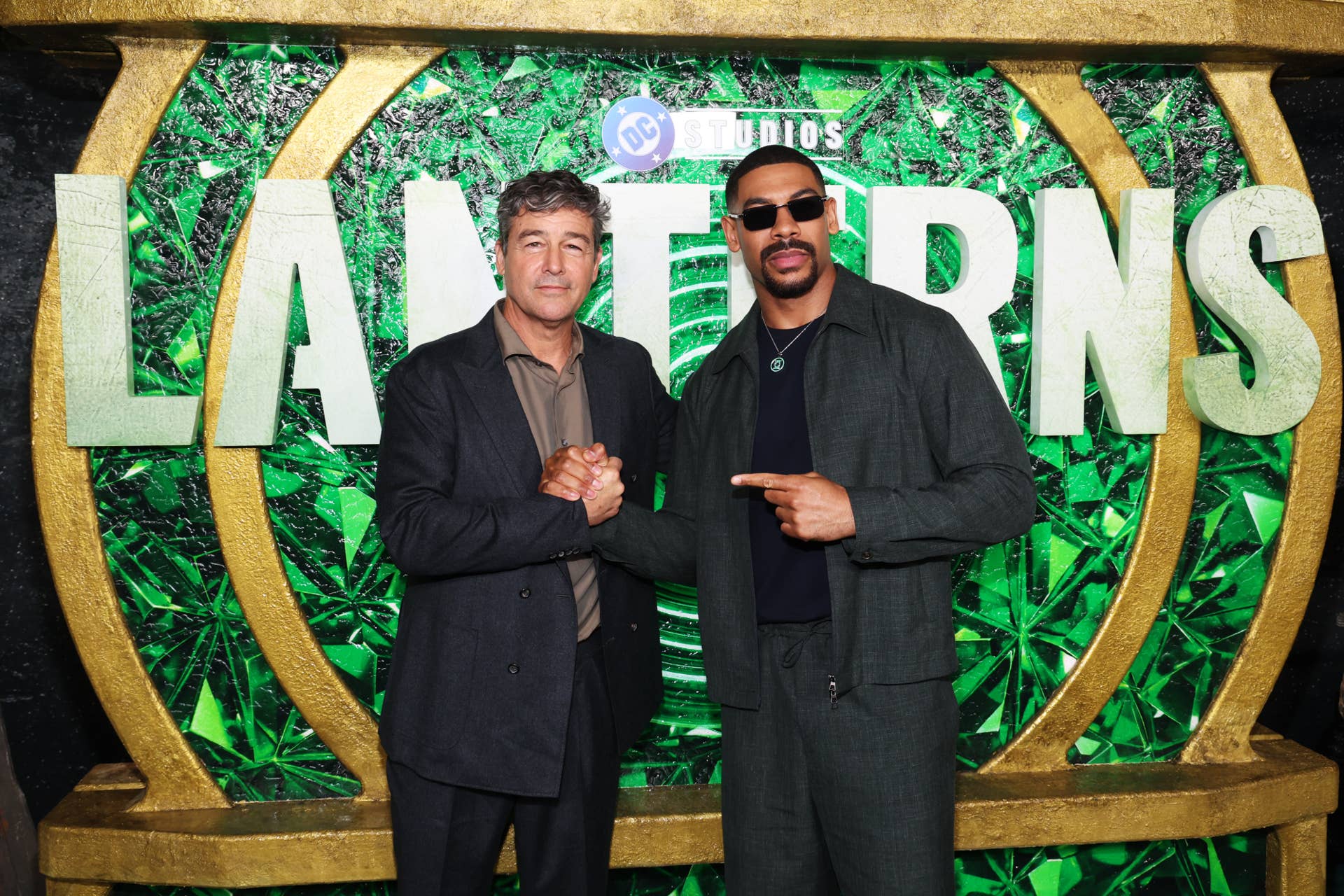
Then, things shifted, with the television side turning in the best number the label has posted in years. The “Lanterns” series premiere drew 9.3 million viewers worldwide across HBO and HBO Max in its first three days, “the biggest premiere for a DC Studios show on HBO Max to date,” according to Variety.
What the ‘Lanterns’ premiere numbers actually show
Of that global total, 6.6 million viewers were in the U.S., according to figures HBO and HBO Max shared with The Hollywood Reporter. The company’s own announcement led with the global number and left the domestic one out.
More Entertainment:
- ‘Spider-Man’ just made box-office history
- IMAX CEO sends strong words to investors and praises Nolan
- YouTube just sent creators a message about their views
The domestic figure is the one that carries weight, because it sits in the same measurement bucket HBO has used for every debut it has promoted over the past two years.
When I lined those three-day domestic counts up against each other, “Lanterns” lands fourth among recent HBO launches, not first. My analysis of the comparable window is below.
- “Lanterns” drew 6.6 million U.S. viewers in three days, per those HBO figures.
- “A Knight of the Seven Kingdoms” drew 6.7 million over the same window in January, per the same tally.
- “It: Welcome to Derry” managed 5.7 million in October 2025, also per The Hollywood Reporter.
- “The Penguin” opened to 5.3 million across four days in September 2024, reported Variety.
That ordering explains the phrasing in the company’s own announcement. Warner said top five, not top three. Roughly 100,000 viewers separate the two claims, and a company sitting on a $1.3 billion litigation clock would have used the better line if the arithmetic allowed it.
The trajectory is the part investors should care about. The three shows “Lanterns” outdrew on opening weekend all went on to average at least 17.5 million global viewers across HBO’s 90-day measurement window, reported Deadline.
Why the timing matters for Warner Bros. Discovery investors
WBD closed at $28.53 on Aug. 21, roughly 8% below the $31 a share Paramount agreed to pay. That discount is the market’s live estimate of the odds this deal never closes, and it is the cleanest single number in the whole saga.
The operating picture underneath the deal is split. Warner’s total revenue fell 11% year over year in the second quarter on the loss of NBA rights, while streaming revenue rose 10% and streaming profitability widened again, according to the company’s second-quarter results.
Studios was the segment that disappointed. That is the division DC sits in, and it is the one a hit changes.
Related: 3 billionaire investors just piled into the same media stock
If you hold a total-market index fund, you own a slice of this. The question the court answers is whether that slice converts to cash at a fixed price or reverts to a stub of a debt-heavy media company carrying roughly $35 billion in gross debt and a shrinking cable business.
For anyone paying for HBO Max, the stakes are more direct. Paramount executives have signaled they would fold HBO Max and Paramount+ into a single service, which means the ruling decides both what you watch and what you pay for it.
How a hit show changes the math in the antitrust fight
Paramount cleared its last regulatory hurdle on Aug. 14, having secured approvals across 68 countries including the Justice Department, the European Commission and the U.K. Competition and Markets Authority, according to the company.
Twelve state attorneys general are the remaining obstacle. The coalition, led by California’s Rob Bonta, argues the combination would produce “higher prices, lower quality, and less content for film and television,” according to Bonta’s office.
Paramount and Warner agreed in late July to hold off closing until five days after a ruling or June 1, 2027, whichever comes first, according to New York Attorney General Letitia James, whose office joined the suit. That stipulation pushed the closing date as far as June 2027.
Delay is expensive. Paramount is seeking a $1.88 billion bond from the states, telling the court it will have paid Warner shareholders “an unrecoverable $1.3 billion in ticking fees alone” by the time briefing wraps, reported CNBC.
My read is that “Lanterns” cuts against Paramount here rather than for it. The states’ case rests on the claim that two independently healthy studios are about to stop competing. A DC record set nine months into the fight is evidence Warner can still generate hits on its own, which is exactly the argument Bonta needs.
What DC has to prove before the trial date
Premiere numbers measure marketing, not affection. “Peacemaker” Season 2 opened strong and then shed a large share of its audience, and DC’s problem for three years has been retention, not curiosity.
Episode two arrives Sunday, Aug. 23, and the retention curve over the next six weeks tells you whether 9.3 million was a hit or a launch.
A second season has not been ordered. Showrunner Chris Mundy said he is already breaking a follow-up season on spec with writer Christopher Cantwell and intends to pitch it, according to The Hollywood Reporter. The Aug. 20’s viewership announcement is the strongest card he can bring into that room.
The bigger test lands in October, when “Clayface” reaches theaters on a reported $40 million budget, a fraction of what “Supergirl” cost. After that comes “Man of Tomorrow” in 2027, currently shooting, and arriving in a year when a courtroom may already have decided who signs the checks.
Warner spent this decade arguing DC is a franchise engine rather than a library of characters other people got rich on. It picked a strange moment to finally have proof, and an even stranger one to have no say in who collects on it.
Related: Paramount’s Warner merger deal faces serious new problem