LeBron James has been helpingNike (NKE) sell basketball sneakers for more than two decades.
Now he’s giving the company a harsh diagnosis.
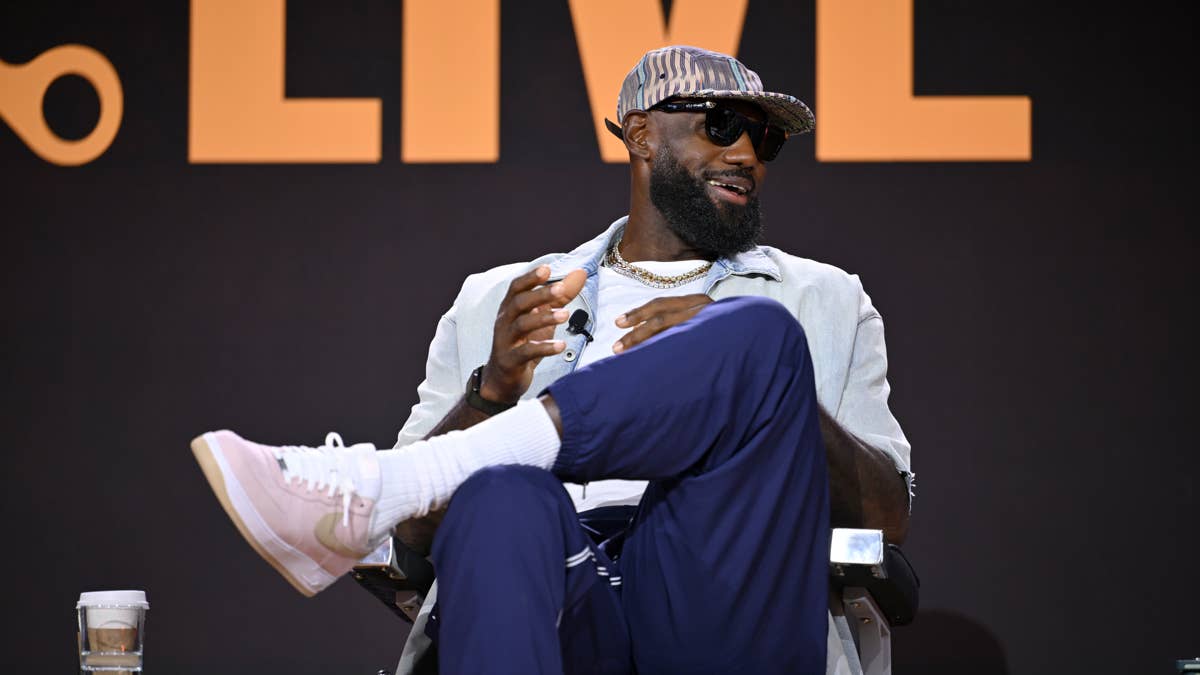
Speaking at the CNBC x Boardroom Game Plan Summit, James said Nike needs to reconnect with local communities and listen more closely to consumers if it wants to regain its cultural significance.
“You’ve got to get back into the roots,” James said.
That wisdom extends beyond sneaker culture.
The “cool” element from Nike gets buyers to purchase its products, pay full price, and return for the following release. Those behaviors ultimately drive sales, margins, and the amount of goods that merchants are prepared to order.
Nike has made efforts to rebuild relationships with wholesalers under CEO Elliott Hill. But its latest figures indicate that the corporation has regained distribution faster than it has rebuilt consumer demand.
Nike’s turnaround still lacks consumer pull
Nike’s woes began even before Hill’s October 2024 takeover.
Under former CEO John Donahoe, the iconic shoemaker moved into direct sales and e-commerce, reducing its reliance on wholesalers. The strategy worked in the early days of the pandemic, but hurt Nike’s in-store presence as several competitors like Hoka and On gained ground.
A Nike veteran of three decades, Hill has changed direction.
He has focused on sports, product innovation, and building deeper partnerships with athletes and retail partners. Nike topped Wall Street estimates in its latest quarter, with North American sales improving.
But the overall improvement is patchy.
Sales are below expectations in Greater China and other overseas regions. Nike also said sell-through in Nike Sportswear and Jordan Streetwear continues to be weak, resulting in discounting and softer future orders.
This is the problem that James is commenting on.
Nike can get more goods back on retail shelves. It can’t make customers buy them at full price.
A wholesale recovery may bolster sales for a while, but retailers will eventually cut their orders when goods pile up unsold or need constant discounting.
Related: Nike unsteady as new legal fight brews
James argued that Nike once built its identity by staying close to communities and learning what people wanted before those preferences became obvious.
Still, Nike has top-tier athletes, massive marketing reach, and decades of brand recognition. The issue isn’t that it lacks star partnerships.
It’s turning those assets into items that younger consumers view as fresh.
LeBron’s warning is really about pricing power
James said that Nike appeals because the need to look “cool” as you go out the door is real.
For investors, this means pricing power.
Culturally relevant merchandise can sell fast, demand a premium price, and inspire retailers to make greater re-orders. The product is often overexposed or uninspired and frequently needs to be discounted, which puts pressure on gross margin and can further erode the brand.
Nike shares fell some 30% in 2026 after James made his comments and remain more than 70% below their November 2021 high.
That fall suggests investors no longer want to evaluate Nike on its past performance alone.
Hill has to show that the brand can build new franchises rather than continue to focus on retro sneakers and existing athlete partnerships again and again.
The first evidence of improvement won’t necessarily be a big advertising blitz.
Investors should look for increased sales at full price, better Nike Direct traffic, and improving order patterns in Sportswear and Jordan. Such metrics would demonstrate that consumers are actively seeking out Nike products, rather than just discovering them through wider wholesale distribution.
Another big test: China.
Nike must find new ways to be relevant locally, fighting against domestic brands that may be more rapidly attuned to area consumers. A product strategy that succeeds in North America won’t always rekindle demand elsewhere.
Key takeaways for Nike investors
- LeBron James says Nike must reconnect with local communities and consumers.
- Nike is rebuilding wholesale relationships, but demand remains uneven.
- Weak Sportswear and Jordan sell-through is contributing to discounting.
- Nike’s “cool” factor directly affects pricing power and retailer orders.
- Full-price sales, direct traffic and China performance will show whether the turnaround is working.
James didn’t lay out a financial blueprint for Nike.
He pointed out the problem with one of the options.
There was a point when Nike’s brand was so strong that consumers were seeking the product before shops even needed to market it. This demand allowed businesses to charge premium prices, limit discounting, and feel confident about ordering more.
Hill has begun fixing Nike’s distribution network, taking it back to its sport roots.
The harder part is recreating the cultural ties that make people want it.
Nike’s recovery will be incomplete until it can convert fresh visibility into better full-price sales.