When luxury retail giant Saks Global filed for Chapter 11 bankruptcy in January, it did not expect to have to close so many existing stores as part of the process. But as is typical in bankruptcy proceedings, restructuring is inevitable.
And with it come both expected and delayed layoffs.
More than 1,200 jobs are being cut at Saks Fifth Avenue locations across the U.S. as the luxury retailer prepares to close a dozen stores as part of its reorganization plan.
According to multiple Worker Adjustment and Retraining Notification (WARN) filings submitted in March, Saks & Company plans to close multiple stores in May, resulting in permanent job cuts.
Saks bankruptcy sets stage for store closures
Saks Global, the parent company of Saks Fifth Avenue and Neiman Marcus, filed for Chapter 11 bankruptcy between Jan. 13 and 14, listing assets and liabilities of $1 billion to $10 billion.
TheStreet’s Kirk O’Neil previously covered the Saks bankruptcy in “Missed payments send huge retailer into Chapter 11 bankruptcy.”
More Layoffs:
- Walgreens widens job cuts amid store closures
- UPS clears major legal hurdle amid job cuts
- Layoffs in January reach recession-era levels
O’Neil reported that the bankruptcy followed years of mounting debt and the inability to pay lenders, combined with liquidity constraints that prevented Saks from acquiring new inventory.
Another major factor was Saks’ $2.7 billion acquisition of Neiman Marcus in 2024, which marked the beginning of a period of unsustainable capital expenditures and liquid holdings.
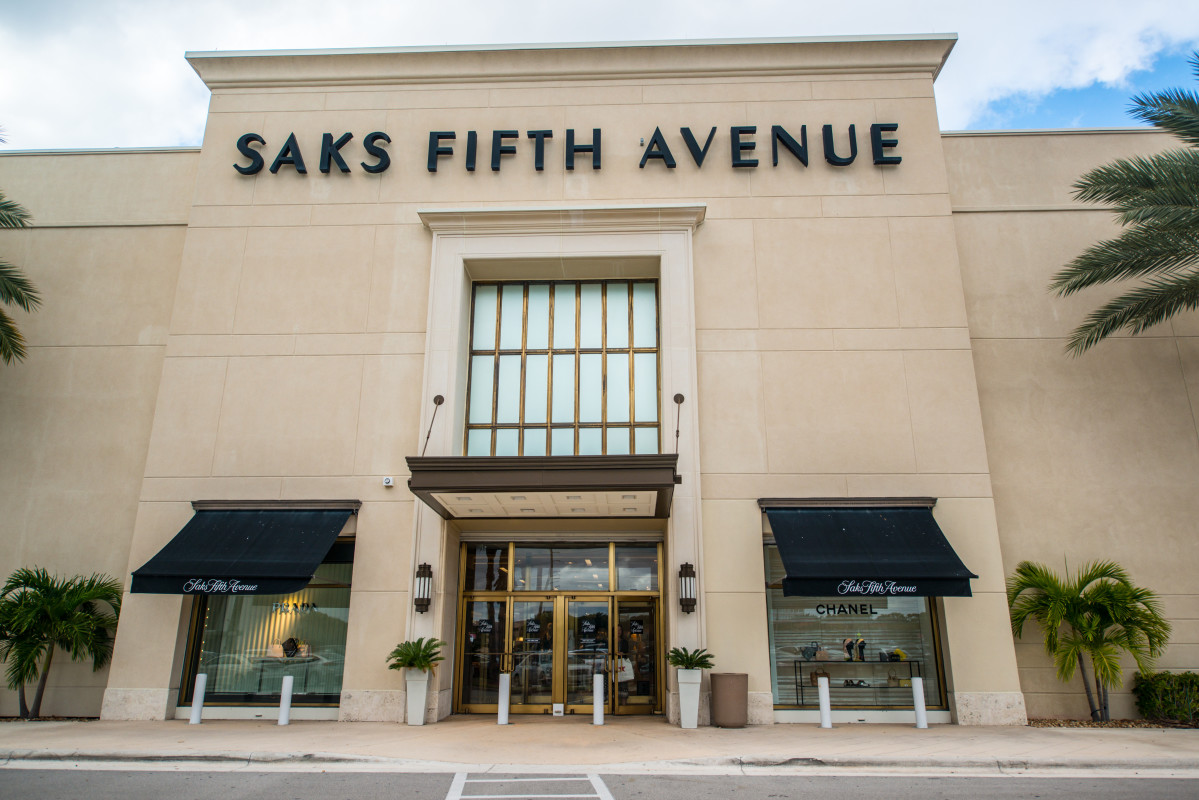
Luxury retail faces shifting consumer demand
This bankruptcy highlights a growing problem in the luxury sector, one where the retailers are grappling with a new reality: the rapid rise of resale.
A McKinsey analysis projects that the global fashion industry “will once again post low single-digit growth in 2026.” The trend is driven by macroeconomic volatility, especially in the U.S., where consumer sentiment has been low this past year due to tariffs, uncertainty, and inflation.
High prices pose a significant hurdle for aspirational customers of luxury items; thus, luxury executives continue to revamp product offerings, resetting after a sustained period of price-led growth.
Amid this restructuring is an emerging resale market, forecast to grow “three times faster than the firsthand market through 2027.”
This underlines a growing opportunity for the brands to build loyalty with “existing shoppers and drive purchases with aspirational shoppers looking for more accessible price points.”
Fears that resale can “cannibalize” first-time purchases lack any data support, the research also highlights.
A Deloitte Global Powers of Luxury 2026 report notes that technology and value creation will redefine luxury in the next five years.
According to the research, executives rank artificial intelligence (31.7%) and innovation in materials and production (22.6%) as the most transformative forces shaping this future.
Layoffs tied to Saks closures
One of the largest workforce reductions for Saks in March will take place in Pottsville, Penn., where a Saks facility is expected to lay off 435 employees as the location shuts down.
Several Saks Fifth Avenue stores across the country are also preparing to close, affecting dozens of workers in each market.
Notices for these were issued on March 6, with separations expected to occur between May 6 and May 31, and the company has indicated that all closures are permanent.
Saks noted three location closures in California this month, including stores in Canoga Park, Costa Mesa, and Palm Desert, affecting more than 230 workers combined.
March Layoffs tied to Saks store closures total 1,226 and include:
- St Louis, Missouri: 65
- Chevy Chase, Maryland: 75
- Raleigh, North Carolina: 43
- Las Vegas, Nevada: 70
- Beachwood, Ohio: 70
- Sarasota, Florida: 66
- McLean, Virginia: 70
- Chicago, Illinois: 101
- Canoga Park, California: 97
- Palm Desert, California: 58
- Costa Mesa, California: 76
- Pottsville, Pennsylvania: 435
You can see the list of operational stores here.
The layoffs also come at a time when the broader U.S. labor market shows signs of strain.
According to the recent Bureau of Labor Statistics February nonfarm payrolls report, 92,000 jobs were lost, with decreases in health care and information, and the federal government reporting a larger decrease than other sectors.
The unemployment rate holds steady at 4.4%.
Related: Retail layoffs hit 150-year-old food company’s Texas plant