A historic drop in the size of the U.S. cattle herd to a nearly 75-year low of 86.2 million head as of Jan. 1, 2026, according to the U.S. Department of Agriculture, is putting pressure on the beef industry, resulting in plant closures.
Beef processing companies, such as Tyson Foods, have closed plants over the last year, as a result of the decline of cattle in the industry.
Giant beef processor Tyson Foods is ending operations at its beef plants in Joslin, Ill., and Eagle Mountain, Utah, which will result in the layoff of about 3,200 employees.
The Springdale, Ark.-based company also plans to sell its Pasco, Wash., beef facility.
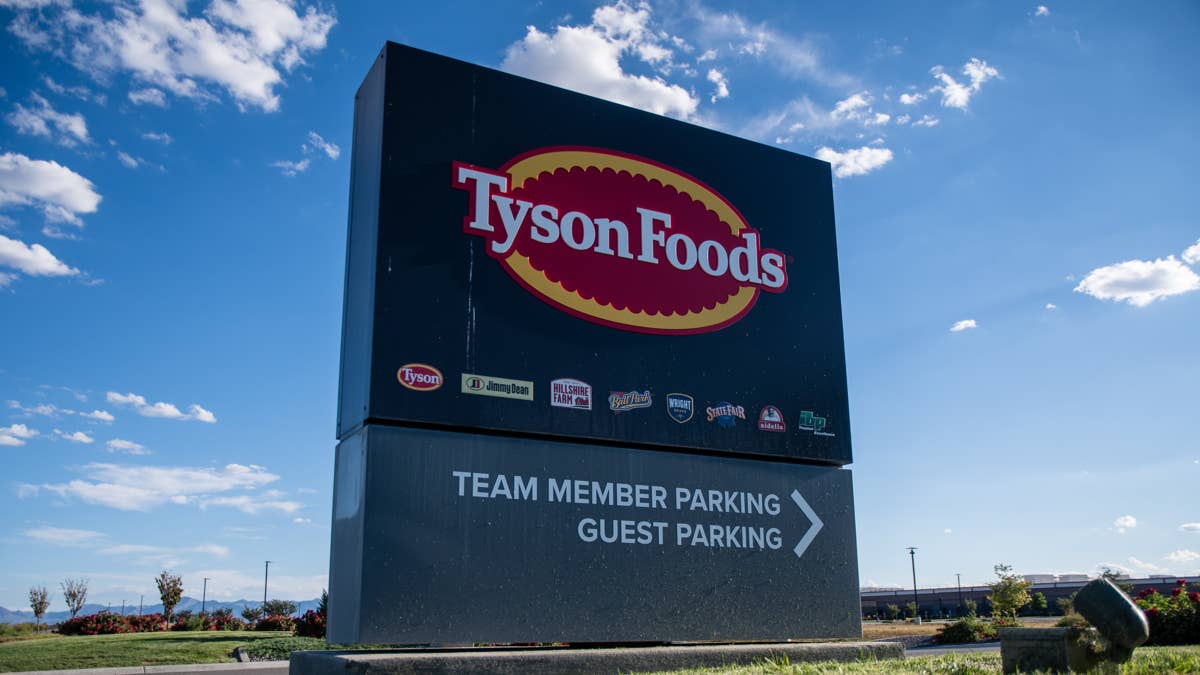
Tyson closes two facilities
About 2,500 employees of the Joslin facility were affected immediately with layoffs following Tyson’s abrupt announcement on Aug. 13 that it would close that facility, according to KFSM-TV5 in Fort Smith, Ark.
Tyson will also lay off up to 723 workers at its Eagle Mountain beef facility, according to a Worker Adjustment and Retraining Notification Act filing with the Utah Department of Workforce Services that the meat company submitted on Aug. 13.
Employees of the Eagle Mountain facility will be compensated through Oct. 12, 2026, which is expected to be the final day of operations.
The meat processor said that affected employees can apply for open positions at other Tyson facilities.
Impact to Midwest beef industry
National Cattlemen’s Beef Association‘s CEO Colin Woodall said in a statement that the closures would significantly impact the industry in the Midwest region.
“NCBA is troubled by the closure of the Joslin beef processing facility. For many years, the plant has played a vital role in the Midwest beef supply chain, and its closure will significantly impact cattle producers, employees, and rural communities across the region,” Woodall said.
“We encourage Tyson to work closely with its longstanding customers to identify alternative marketing opportunities for their cattle,” Woodall said.
Company launches strategic restructuring
Tyson is restructuring its beef operations around three strategically located beef facilities in Dakota City, Neb.; Holcomb, Kan.; and Amarillo, Texas, to create a more competitive footprint amidst one of the most historic cattle shortages the country has ever experienced, the company said in a statement.
Recent cattle inventory data from the U.S. Department of Agriculture, which included evidence of limited heifer retention, indicates the supply constraints are likely to persist, requiring strategic action.
“These decisions underscore the significant challenges that historically low cattle inventories continue to create across the beef cattle industry,” Woodall said.
“While we are disappointed by these developments, they also reinforce the importance of rebuilding the nation’s cow herd and maintaining adequate processing capacity to support cattle producers, strengthen market opportunities, and ensure a resilient beef supply for the future,” Woodall said.
The beef processing capacity at the closed facilities will be moved to the more strategically located facilities with ample capacity to grow. The company said it will also restart a second shift at its Amarillo location when cattle become available.
Already laid off 5,000 workers
Tyson had already laid off nearly 5,000 employees in 2026 after plant closures in Nebraska and Georgia, as well as a downsizing in Texas, KFSM reported.
The trade association’s CEO also commended Tyson for seeking a buyer for its Pasco facility instead of closing it.
“Tyson Foods’ Pasco, Washington, beef processing facility is also critical for cattle producers in the Northwest, and we appreciate the company’s commitment to seek a buyer rather than pursuing an outright closure,” Woodall said.
Tyson Foods, which was founded by John W. Tyson in 1935, produces a portfolio of iconic products and brands, including Tyson, Jimmy Dean, Hillshire Farm, Ball Park, Wright, State Fair, and Aidells.
Tyson’s closures follow competitor JBS Foods’ closure of its subsidiary Swift Beef Co. meat packing facility in Riverside, Calif., laying off 374 employees by Feb. 2, 2026, the Los Angeles Times reported.
170-year-old Swift issued 60-day Worker Adjustment and Retraining Notification notices to employees through the California Employment Development department on Dec. 4, 2025, with an expected closure by Feb. 2, 2026.
The Swift Beef Co. facility in Riverside prepared meat for sale in U.S. grocery stores but did not slaughter animals, according to a JBS spokesperson.
Related: Major ice cream brand seeks Chapter 11 bankruptcy after lawsuit