Oil has been one of the stranger stories in markets this year. Crude topped $114 a barrel in April when the Iran conflict was at its worst, then retreated sharply once diplomacy moved in.
It has been climbing again since early July, up roughly 30% from that trough. Brent is now between $91 and $93 a barrel and has gained 13% in the past two weeks alone.
That is the backdrop for what Morgan Stanley’s chief equity strategist said on Aug. 24. It is worth reading before it gets buried under the next data release.
Morgan Stanley oil price warning and why crude is an asymmetric risk for stocks
Michael Wilson, Morgan Stanley’s chief U.S. equity strategist, said a renewed oil spike is the single biggest near-term threat to American equities, Bloomberg reported.
His note was blunt. “Crude is the near-term risk, and it’s asymmetric,” Wilson wrote. Stocks get hurt more by a crude spike than they benefit from a crude dip. That is not a new observation. He first laid it out in a March 2026 note. It lands differently now that oil has been moving the way it has.
Over the past two months, the beta of oil relative to equities has been roughly twice as impactful when Brent rises compared with when it falls. Wilson put a specific number on when the damage becomes serious. Historically, equities face genuine trouble only when oil prices surge 75% to 100% year over year.
More Oil & Gas:
- Goldman Sachs doubles down on oil price forecast for 2026
- Drivers lose control over gas price squeeze
- A big shift in the U.S. energy market is about to happen
That threshold has been crossed in just five of the 23 geopolitical shock events his team studied. The market is not there yet. But the direction of travel matters.
Morgan Stanley has also lifted its Brent crude forecast. The bank now sees oil at around $90 in Q3, $100 in Q4, and $95 in Q1 2027, up from a prior assumption of roughly $75 across all four quarters.
Oil held at sea has fallen by roughly 168 million barrels since mid-July, and Middle East exports have retreated toward levels last seen in March and April.
Morgan Stanley now expects the region’s supply recovery to extend well into 2027, keeping the market in deficit through Q4 2026 and Q1 2027. If that Q4 forecast is right, the year-over-year surge gets much closer to the danger zone Wilson has mapped out.
How a crude oil spike hits inflation Treasury yields and the Fed in 2026
The reason Wilson is worried goes beyond gas prices. Oil moving up means transportation costs move up. So do manufacturing inputs, logistics bills and energy across the economy.
When those costs hold long enough, they start showing up in the inflation numbers the Fed is watching. That is when things get complicated for markets.
Fed Chair Kevin Warsh is already managing a committee that voted 9-3 to hold rates at the July meeting, the widest dissent in nearly a decade. Another oil-driven inflation shock would not make that internal divide easier to manage.
Wilson’s read is that the Fed will ultimately act on inflation, but likely only after markets have already taken a hit. The bond market is where this plays out first. Higher inflation expectations push yields up. Higher yields compress valuations on growth stocks and raise borrowing costs across the economy.
The 30-year Treasury yield has already reached a near two-decade high. A sustained crude spike could push it higher still.
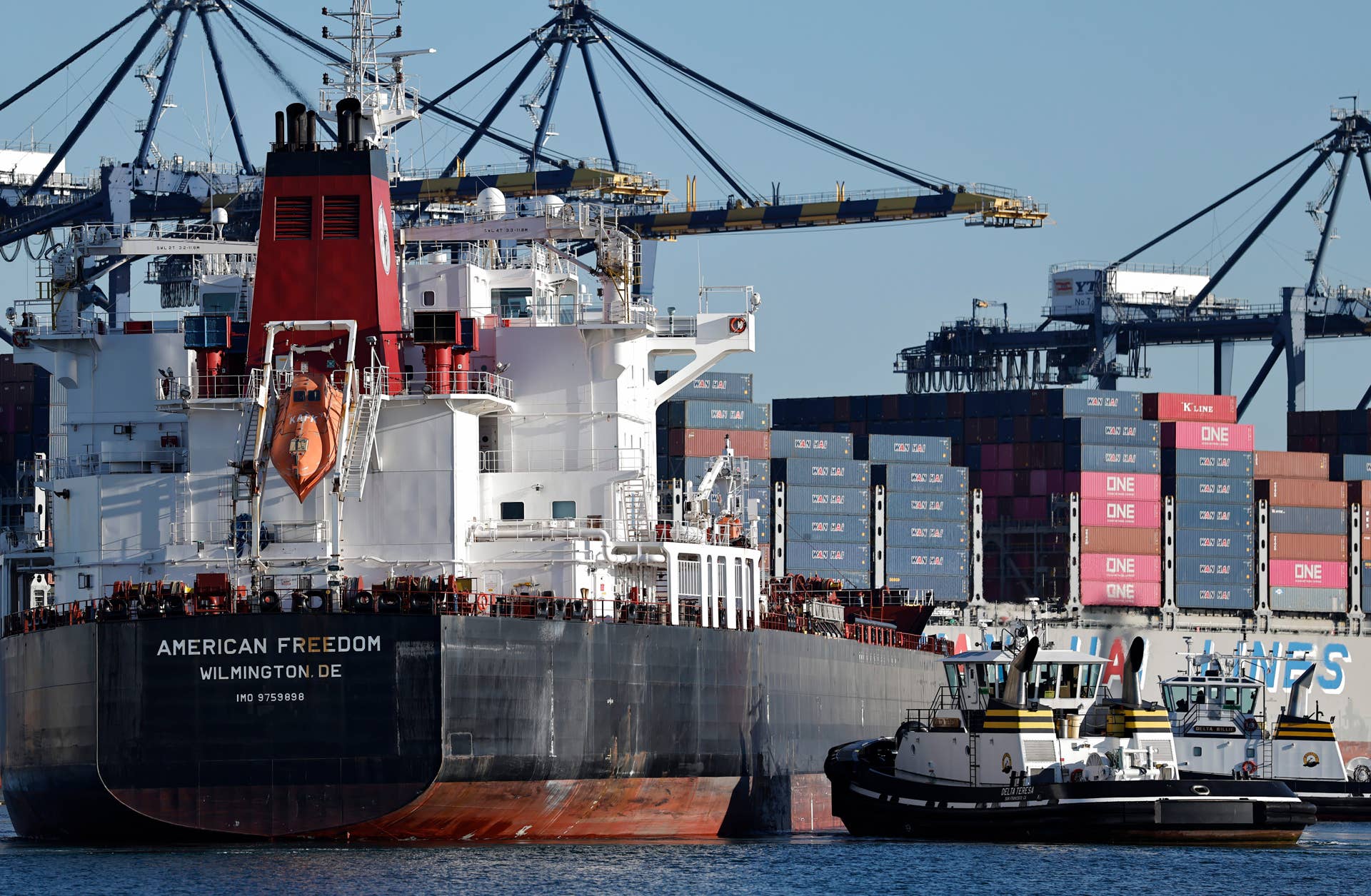
Mario/Getty Images
Exxon XOM Chevron CVX energy stocks as oil price hedge in 2026
Wilson recommends energy shares as a hedge against the scenario he is describing. Exxon Mobil and Chevron have each gained more than 30% this year, more than double the S&P 500’s advance.
Companies that produce and sell oil benefit when crude rises, potentially cushioning a broader portfolio against losses elsewhere, according to TradingPedia.
That is not a risk-free call. Both stocks have already run hard. Some of the oil-price upside may already be in their valuations. Energy names can also fall with the broader market and reverse quickly if crude drops.
Wilson is not advising that investors buy energy and stop thinking. He is, however, noting that it’s the most useful hedge the equity market currently offers against the specific risk he sees.
His second recommendation is the one he has held all year: quality. Factors including high free cash flow and high gross margins gained between 8% and 16% over the past two months. Wilson said this reflects the market rotating toward companies that can absorb cost pressure rather than those that cannot.
He also noted that the S&P 500’s heavier weighting toward quality companies helped cushion the index during July’s semiconductor sell-off. That composition is one reason he still prefers U.S. equities over international markets.
Morgan Stanley S&P 500 target 2026 and what oil investors should watch next
Wilson’s overall posture on U.S. stocks remains constructive. Morgan Stanley maintains a year-end S&P 500 target in the range of 7,800 to 8,000. Those numbers hold only if oil prices remain stable or rise at a moderate pace, Bloomberg reported.
The Strait of Hormuz remains the wildcard. Wilson’s historical review found that geopolitical flashpoints rarely derail equities on their own.
What matters is whether they translate into a sustained, dramatic price increase in crude, not whether tensions exist. A stable oil market gives companies, consumers, and the Fed room to adjust.
A rapid, sustained surge that pushes year-over-year prices toward that 75% to 100% danger zone is a different problem. Wilson is not saying it is about to happen. He is saying it is now the thing most worth watching.
Related: Scott Bessent sends strong message on oil price and Iran