Monster Beverage (MNST) shares have spent the summer moving toward record highs, and Morgan Stanley just gave investors a fresh reason to keep watching.
The bank reiterated its Overweight rating and $103 price target on the energy drink maker this week. Morgan Stanley is standing by a call it has now made twice in the past two months.
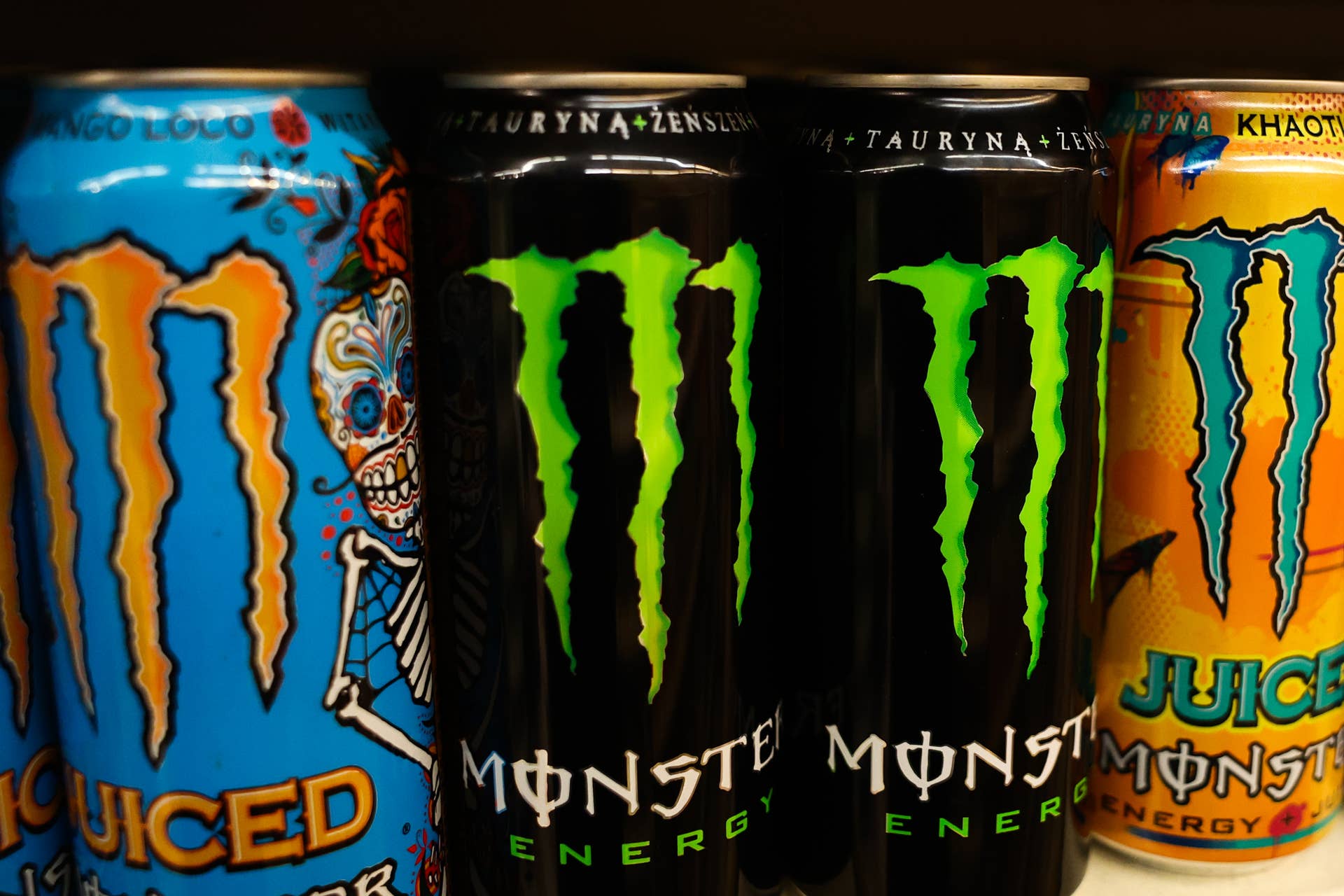
What is new is the evidence behind it. Morgan Stanley pointed to a wave of new products, from limited-time flavors to entirely new brands.
These products have gone from generating zero sales last September to nearly 15% of Monster’s total US sales today.
That kind of increase rarely happens by accident, and it is reshaping how Wall Street thinks about Monster’s next few years.
Morgan Stanley says the brand’s new Ultra Red, White, and Blue Razz flavor has “earned its stripes” this summer.
Why Morgan Stanley is banking on Monster Beverage’s new products
Morgan Stanley’s July 2 note described Monster’s 2026 lineup as the strongest in its more than two decades covering the stock.
More than 20new items have already launched, with more planned later this year.
The rollout spans four categories that are new or unusual for Monster: limited-time offers, shot-enhanced drinks, brand relaunches like Storm, and flavors transferred over from Europe.
Those launches now make up close to 15% of Monster’s US retail sales in the latest four weeks, Investing.com noted. That’s up from about 3.5% at the end of 2025 and zero in September.
That kind of climb signals staying power rather than a short-lived spike.
Monster’s first-quarter surge shows why Wall Street is paying attention
The enthusiasm traces back to Monster’s first quarter of 2026. Net sales jumped 26.9% to $2.35 billion, the company’s largest first-quarter total on record, Monster reported.
International sales did much of the work, climbing 44.9% to reach about 45% of total revenue, a company record.
Related: Target adds celebrity exclusive Coca-Cola and Pepsi soda rival
Monster also authorized a new $500 million stock buyback, a signal of confidence in its own shares, according to its SEC filing.
However, gross margin slipped to 55% from 56.5% a year earlier, Investing.com reported.
This fall mostly reflects faster growth overseas, where margins run thinner, rather than any weakening in the core business.
First-quarter 2026 snapshot:
- Net sales: $2.35 billion, up 26.9% year over year
- International sales: up 44.9%, about 45% of total revenue
- Earnings per share: $0.58, beating the $0.53 consensus estimate
- New buyback authorization: $500 million
Why Red Bull’s price hike could set up more gains for Monster
Morgan Stanley also highlighted a Red Bull price increase set for August 1, calling it a positive signal for the category, Insider Monkey reported.
If Red Bull moves first, Monster can follow suit without losing shelf space.
More Beverages:
- Coca-Cola launches exclusive soda flavor at fast-food giant
- Discontinued Pepsi soda brand quietly returns to stores
- Pepsi creates a new beverage platform
The stakes are high. The US energy drink market was worth about $25 billion in 2024 and is projected to keep growing near 7% a year, according to Grand View Research.
Competition remains real, though. Celsius Holdings has grown into a serious rival since teaming up with PepsiCo for distribution.
Meanwhile, Monster’s US market share losses are easing but haven’t fully reversed.
What could slow Monster Beverage’s momentum
Not everyone is convinced the Monster rally has more room to run.
Bernstein initiated coverage in June with a more cautious Market Perform rating and a $95 price target, according to Investing.com.
He argued that the stock’s climb already reflects much of the good news.
Monster also still expects its margins to dip further in 2026beforerecovering in 2027.
Its shares now trade near 38 times next year’s expected earnings. That’s a close valuation to the stock’s 52-week high.
Risks worth watching:
- A weaker economy could soften demand for premium energy drinks
- Smaller rivals gaining shelf space could pressure Monster’s US market share further
- Gross margins could land lower than expected if input costs climb
- International margins could weaken if overseas growth keeps outpacing domestic sales
What comes next for Monster Beverage investors
Morgan Stanley’s $103 target assumes Monster will trade at about 38 times its projected 2027 earnings.
However, the bigger prize to the bank is that profit margins should start recovering in 2027 as this year’s heavy spending on new products and shifting sales eases.
From here, investors watching Monster have three things to track:
- How the Red Bull price increase plays out in August
- Whether the current wave of new products keeps its momentum into the fall
- Monster’s next earnings report.
For long-term holders, the underlying story has not changed much.
Monster still controls two of the strongest energy drink brands and has a global distribution partner in Coca-Cola.
Additionally, they possess an innovation engine that is clearly working for the first time in years.
Related: Amazon’s SodaStream deal is a savvy investment for sparkling water and soda lovers for $82