Taking a GLP-1 drug has changed my relationship with food. I still like to eat, but get full quickly and have to plan meals much more carefully.
It’s not that you’re not hungry. It’s that if you order what you used to eat, there will be plenty of leftovers.
When it comes to snacks, I find myself almost never eating between meals because I enjoy having a sit-down dinner with my wife, or with friends, if I’m on a cruise ship. That lack of snacking, which isn’t unqiue to me among GLP-1 users, is a looming problem for food companies, restaurants, and supermarkets.
The world’s 100 most valuable food brands face a $73 billion risk from an uptick in consumers using GLP-1 drugs to lose weight, Food Dive reported on the Brand Finance GLP-1 analysis.
“Top food brands make up $278 billion in value, and roughly a quarter of that is at risk from the effect of GLP-1s,” the report said.
More Retail:
- Home Depot is making a big bet on cautious consumers
- Another state just banned a controversial retail pricing practice
- JPMorgan just flagged a slow-build food crisis
Lay’s is the most exposed food brand to the phenomenon globally, with the report finding $6.8 billion of its $15.1 billion brand value at risk. PepsiCo’s five major snack brands collectively have $14.1 billion in exposure, the consultancy firm determined.
“Seven of the 10 most exposed food brands in the world are based in the U.S., including Doritos, Hershey’s, Cheetos, Kellogg’s and Reese’s,” according to Food Dive.
GLP-1 use has skyrocketed
Using a GLP-1 drug has helped me lose weight, but it had a delayed impact on my food spending. For the first few months I took Tirzepatide, I still ordered the same amount of food at restaurants, mostly shopped the same, and generally had a lot of leftovers and waste.
Now, I know that if want the appetizer, I probably won’t eat much of the main course, and that, in most cases, I need to order less and buy less food from the grocery store. What I cook for dinner has been cut in half, or else we end up with leftovers that eventually became trash.
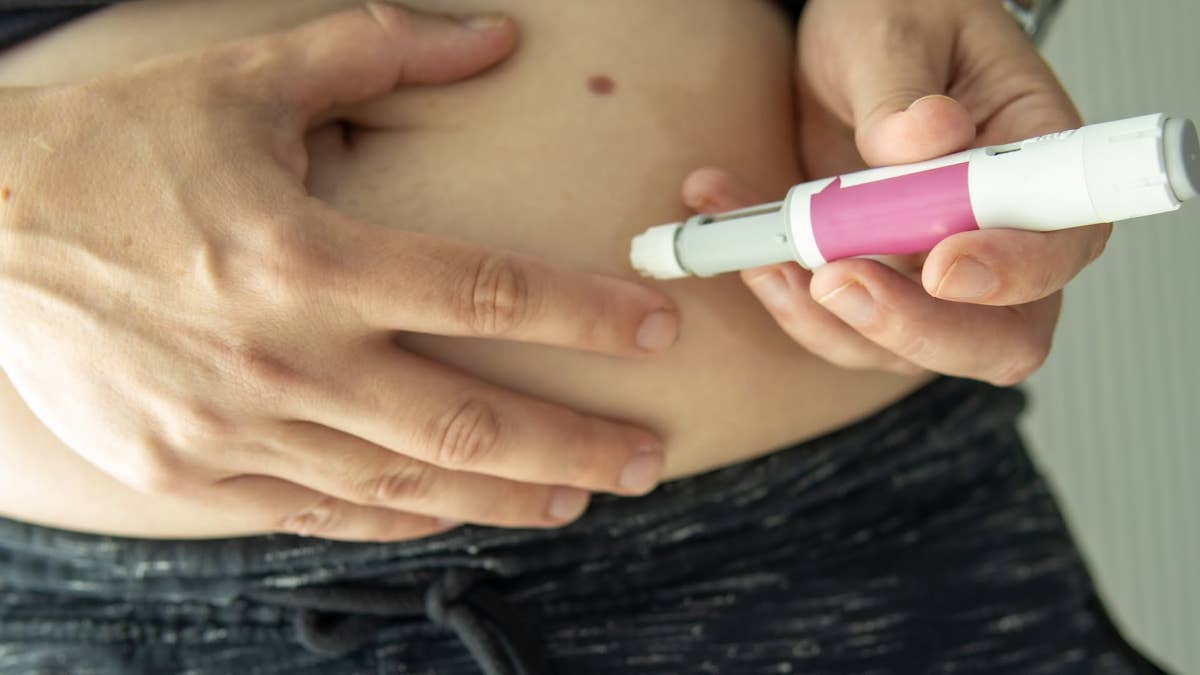
Around 11% of U.S. adults currently take appetite-suppressing GLP-1 medications for weight loss, according to a Gallup update in September, close to quadrupling from 3% in 2024.
“With 137 million Americans — or more than half of all adults — eligible for the drug, the market for these medications is expected to skyrocket,” reported Food Dive.
It’s a situation that’s forcing significant change in companies that make or sell food.
“The global food and beverage sector is changing rapidly. After two years in which price increases led to revenue growth without meaningful increase in profitability, brands now need to show where long-term value will come from,” according to Henry Farr, Global Sector Head of Food & Drinks, Brand Finance.
He sees GLP-1 drugs as something companies need to adjust for.
“Diversification will become even more important as trends such as GLP-1 weight-loss drugs begin to reshape consumer demand. Brands that build flexibility into their portfolios now will be better placed as these shifts accelerate,” he added.
Shutterstock
GLP-1s are also hurting grocery stores
I’m not alone in spending less money on food because I’m taking a GLP-1.
“Most people taking those medications, called GLP-1s, say they are spending less on eating out at restaurants and ordering takeout, according to a Morgan Stanley reported on by CNBC.
A smaller share of those surveyed say they are tightening their purse strings in the grocery store,” the study showed.
“There is growing evidence that the drugs have a meaningful impact on consumer behavior and spending on groceries and restaurants,” Morgan Stanley analysts said in the survey. “All of these dynamics suggest GLP-1 drugs’ impact across consumer sectors is set to increase as drug uptake grows and the drugs reshape behavior among a demographic group that represents a disproportionate share of calorie consumption.”
That creates a challenge for retailers, including the biggest players like Costco, Walmart, and Kroger, who make billions selling groceries.
Grocery stores are making changes
Grocery store brands, however, are adapting.
“Meanwhile, CPG brands like Nestlé, Conagra, Danone, and Nissin are quickly bringing GLP1-friendly items to market. And retailers are leaning into the protein craze prompted by GLP-1 users,” the NRF reported.
As a brand that primarily sells food, Kroger faces more risk than Costco and Walmart, and the chain has made changes as well.
“Kroger launched a protein-focused extension of its private label brand Simple Truth that now includes over 80 high-protein meals and snacks,” added the NRF.
Kroger, as mentioned earlier, has leaned into selling GLP-1-friendly foods. Costco has made a partnership to sell the actual drugs.
The warehouse club is now allowing its customers to order prescriptions of weight loss drugs such as Ozempic, Wegovy, etc. through a recent expansion of a partnership it made with health care company Sesame last September.
The No. 1 search term of Costco members seeking primary care on Sesame was around weight loss,” said Goldhill while speaking with USA Today in a recent interview.
When Costco Members sign up for the weight loss program within the Sesame marketplace they get a three-month clinical program for $179, including video consultations and a treatment plan.”
Walmart sells the drugs as well through its pharmacy and they have been big sellers.
“Our U.S. health and wellness business in Walmart and Sam’s Club, primarily due to sales of GLP-1 drugs, is contributing to our strong comp sales,” former CEO Doug McMillon said during the company’s second-quarter 2025 earnings call.
Current CEO John Furner has also acknowledged a change in grocery shopping behavior among GLP-1 users.
“We definitely do see a slight change compared to the total population. We do see a slight pullback in the overall basket. Just less units, slightly less calories,” he told Bloomberg.
ALSO READ: Kroger pulls Red Bull from every grocery store and gas station