While Yum Brands has been pursuing a sale of the Pizza Hut Brand, the struggling pizza purveyor has been sued by one of its largest franchise operators.
Chaac Pizza Northeast, which operates more than 110 Pizza Hut locations across New York, New Jersey, Maryland, Pennsylvania and Washington, D.C., has sued Yum Brands for $100 million in damages over its Dragontail Artificial Intelligence (AI) dispatch system.
The lawsuit claims that the AI technology gave DoorDash drivers unusual visibility into kitchen operations and order timing, allowing them to “game the system by delaying pickups, batching deliveries together and cherry-picking higher-tip orders. The result, according to the complaint, was pizzas sitting out longer, slower deliveries and frustrated customers,” Fortune reported.
Pizza Hut’s AI lawsuit comes at roughly the same time as Starbuck’s decision to drop its AI inventory system.
The two cases highlight the challenges restaurants face when deploying AI tools into complex operational environments.
“Being first is not always the best,” Popmenu CEO Brendan Sweeney told Restaurant Dive. said. “Being right and doing it the right way is the best.”
What happened with Starbucks AI?
Starbucks has retired the AI-powered automated inventory tool it rolled out to its North American coffeehouses last September, returning to the manual counts the technology was supposed to replace. For a turnaround story that has leaned heavily on technology fixes, the reversal is more than a footnote, TheStreet’s Tobi Amure reported.
The coffee chain partnered with NomadGo Inventory AI in September 2025, rolling out the company’s technology in 11,000 North American stores.
“This technology combines computer vision, 3D spatial intelligence, and augmented reality to automate inventory counting using smartphones and tablets—delivering up to eight times faster results than manual methods with 99% accuracy,” NomadGo shared in a press release.
The tool, called Automated Counting internally, used handheld tablets running computer vision software to scan refrigerators, shelves, and display cases and tally items like milk jugs, syrup bottles, and coffee bags.
“This technology streamlines a critical but time-intensive task,” Starbucks Chief Technology Officer Deb Hall Lefevrer said. “With faster, more accurate inventory counts, our partners can spend more time focusing on what matters: crafting high-quality beverages and connecting with customers.”
Now, about nine months later, Starbucks has dropped the AI experiment and has returned to using people for inventory.
“Starting today, Automated Counting will be retired,” read an internal Starbucks newsletter dated Monday, May 18, and verified by Reuters with two store employees. Beverage components and milk will revert to manual counting, the memo said.
Pizza Hut sued for $100 million
“Before Dragontail’s rollout, Chaac says more than 90% of its pizza deliveries arrived within 30 minutes, and the company consistently posted double-digit sales growth and guest-satisfaction scores above system averages. After Pizza Hut rolled out Dragontail in 2024, the franchisee says delivery performance sharply deteriorated,” according to Business Insider.
The lawsuit charges that DoorDash drivers began waiting to batch multiple orders together after gaining virtual visibility into kitchen systems, allowing them to see when pizzas would come out of the oven. That increased the average delivery time from 30 minutes, to 45, according to the lawsuit filed on May 6 in Texas Business Court.
In addition, the legal filing claims that drivers could see customers’ tips before they picked up the order causing some deliveries to not be picked up.
“With the intention to improve efficiency and service to the customer, Dragontail did the exact opposite,” the suit says. “It caused significant delays and pummeled consumer satisfaction.”
Chaac is seeking more than $100 million in damages, plus attorneys’ fees and other relief.
Pizza Hut and Yum Brands have declined to comment on the lawsuit.
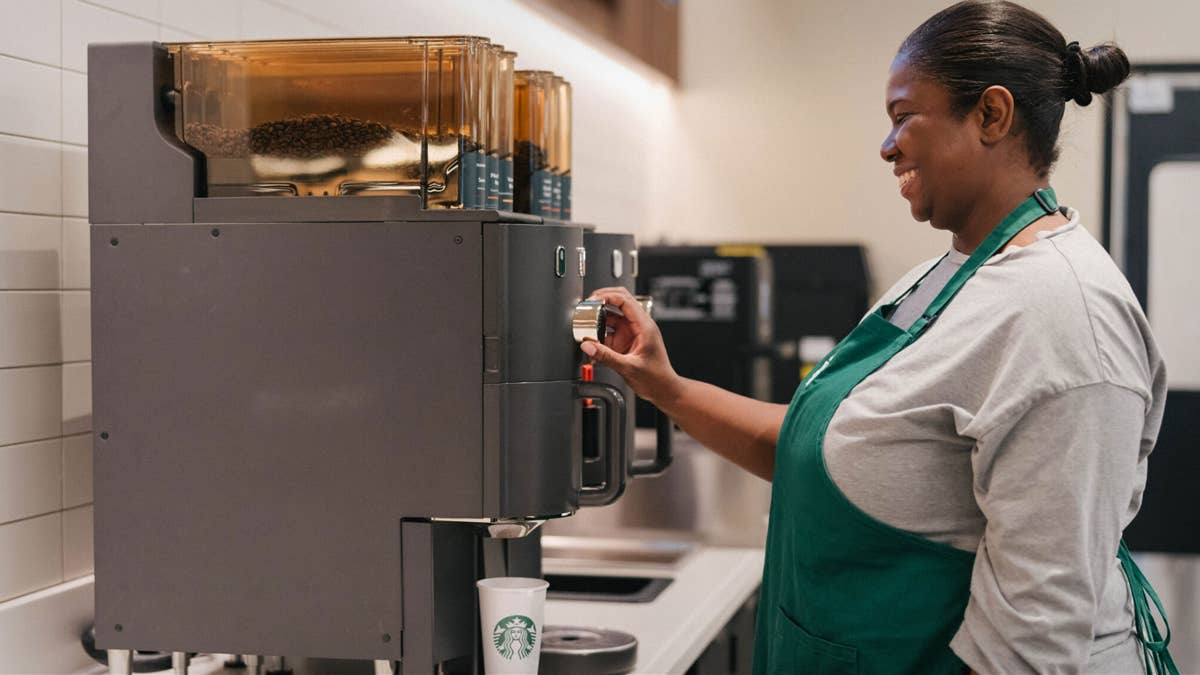
Starbucks
AI is not always the answer
Starbucks has not given up on technology, but CEO Brian Niccol avoided saying artificial intelligence or AI during the chain’s second-quarter earnings call.
“We see our way forward with being creating technology or creating equipment or creating processes to support the labor hours we have in the store to be more productive, meaning more transactions, more throughput. And I think the team is laser-focused on this,” he said.
AI will have its place in restaurants, but it will be used selectively, Toast Chief Marketing Officer Kelly Esten told Restaurant Dive.
“There’s some parts of running a restaurant that are all about reliability. AI can’t replace the core aspects of restaurant operations or restaurant technology, Instead, AI can augment robust underlying programs, such as improving workflows and speed of service,” she said.
TheStreet retail advisor and RTM Nexus CEO Dominick Miserandino thinks that AI simply won’t be able to replace human judgment in some restaurant situations.
“AI is a brilliant tool, but it’s not always the answer when it comes to replicating the human. There’s just something about human instinct, and of course the human experience.
There’s also choices humans make, which might be a nuance, but the AI isn’t set to make,” he said. “Maybe a manager decides to pour an extra glass or make an extra choice to help a customer, but all that gets lost via AI.”
Related: Olive Garden rival down to 38 restaurants after two bankruptcies
Restaurants will use more AI
Despite these early missteps, restaurants expect to increase their AI spending, according to Deloitte’s How AI is revolutionizing restaurants report.
“Eight in 10 restaurant executives surveyed say their investments in AI technologies will increase in the next fiscal year, with expected benefits such as enhanced customer experience, smoother restaurant operations, and more impactful loyalty programs,” Deloitte’s data showed.
Spending and benefit expectations also vary by restaurant type.
“The respondents from casual dining restaurants hope to achieve a significantly greater benefit in enhancing customer experience, compared to those in the quick service, fast casual, and café segments (60% versus 48%),” according to the 2025 Deloitte report.
Over 1-in-4 restaurants (26%) already use AI in some form, according to the National Restaurant Association’s (NRA) 2026 State of the Restaurant Industry report.
Related: Major pizza chain might sell business after closing 250 locations