The tourist tax, a term that was initially born out of an internet joke about imposing extra fees on bad visitor behavior, now more often refers to both the entry and accommodation fees that many cities and countries charge out-of-town visitors.
Countries that recently introduced new charges for non-residents landing at the airport include New Zealand, Thailand and several regions in Japan. European cities, meanwhile, will usually charge the tourism fee by adding a daily levy to the cost of one’s hotel or rental accommodation booking.
The Dutch capital of Amsterdam is known at once for its canals and coffee shop culture and overwhelming number of tourists. While the city has a permanent population of just under one million residents, it recorded nearly 24 million overnight visitors in 2025 even with multiple recent government measures to curb total numbers.
“Tourism places significant pressure on public spaces, quality of life”: Amsterdam city council
At 12.5% of one’s nightly hotel rate, the city tax that hotels and rental platforms currently charge in Amsterdam is presently the highest such levy in Europe. A new proposal published by the city’s council recently-established coalition government at the start of June now proposes raising that tax to 16% by 2027 and an additional percentage a year to reach a cap of 20% by 2030.
“Amsterdam remains an attractive destination for visitors from all over the world,” the proposal reads in translation from the original Dutch. “Tourism contributes to the city’s economy, but at the same time places significant pressure on public spaces, quality of life and municipal facilities.”
Related: A hotel wants you to come so badly, it will pay for your gas
The funds generated through the raised percentages will, according to the proposal, go to the same functions as the current tax: upkeep and safety of public spaces and neighborhoods seeing overwhelming tourist numbers.
Shutterstock
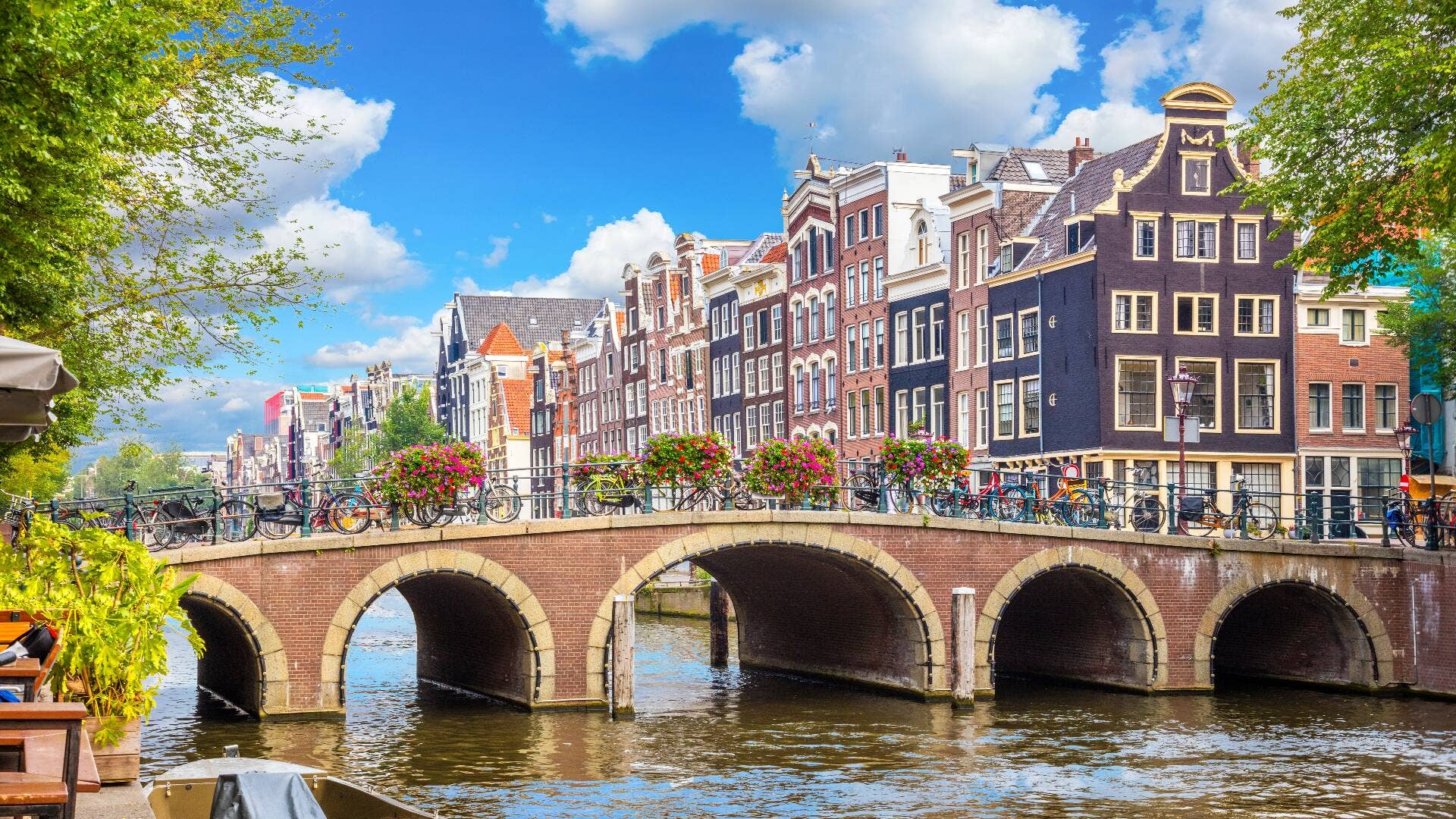
Why does Amsterdam have such a high hotel and accommodation tax
“The coalition has therefore decided to increase the tourist tax, so that visitors make a fairer contribution to the costs the city incurs for management, maintenance, enforcement and investments in the quality of the living environment,” the proposal reads further.
More Travel News:
- Airline to launch unusual new flight to Cayman Islands from the U.S.
- What you can expect at Disneyland’s new ‘World of Frozen’
- Unexpected country is most luxurious travel destination for 2026
- U.S. government issues strange warning on Ireland travel
As part of separate measures to curb tourism numbers, the city of Amsterdam has also put out a proposal to ban all sea cruise ship arrivals into the city by 2025 while also cutting the total number of river cruises going into the city by 10%.”
This comes as the number of travelers who descend upon the city from a cruise ship becomes overwhelming while earlier proposals to move the main port outside the city center is not economically feasible at a cost of over 85 million euros.
The suggestion was met with immediate criticism from the cruise industry and local tourism groups over the hit it would cause to the local economy.
A Virgin Voyages spokesperson called “any change that limits access […] disappointing” while also saying that it will “continue to stay close to the conversation as plans evolve.” Norwegian Cruise Line also said that it “look[s] forward to continuing constructive dialogue with port and community partners as discussions around the future of tourism evolve.”
Related: Popular tourist destination adds ban impacting Americans